Apple Head Teacup Chihuahua
How to Recognize Stress and Illness in a Chihuahua Puppy
By Yulia Sky · July 22, 2026
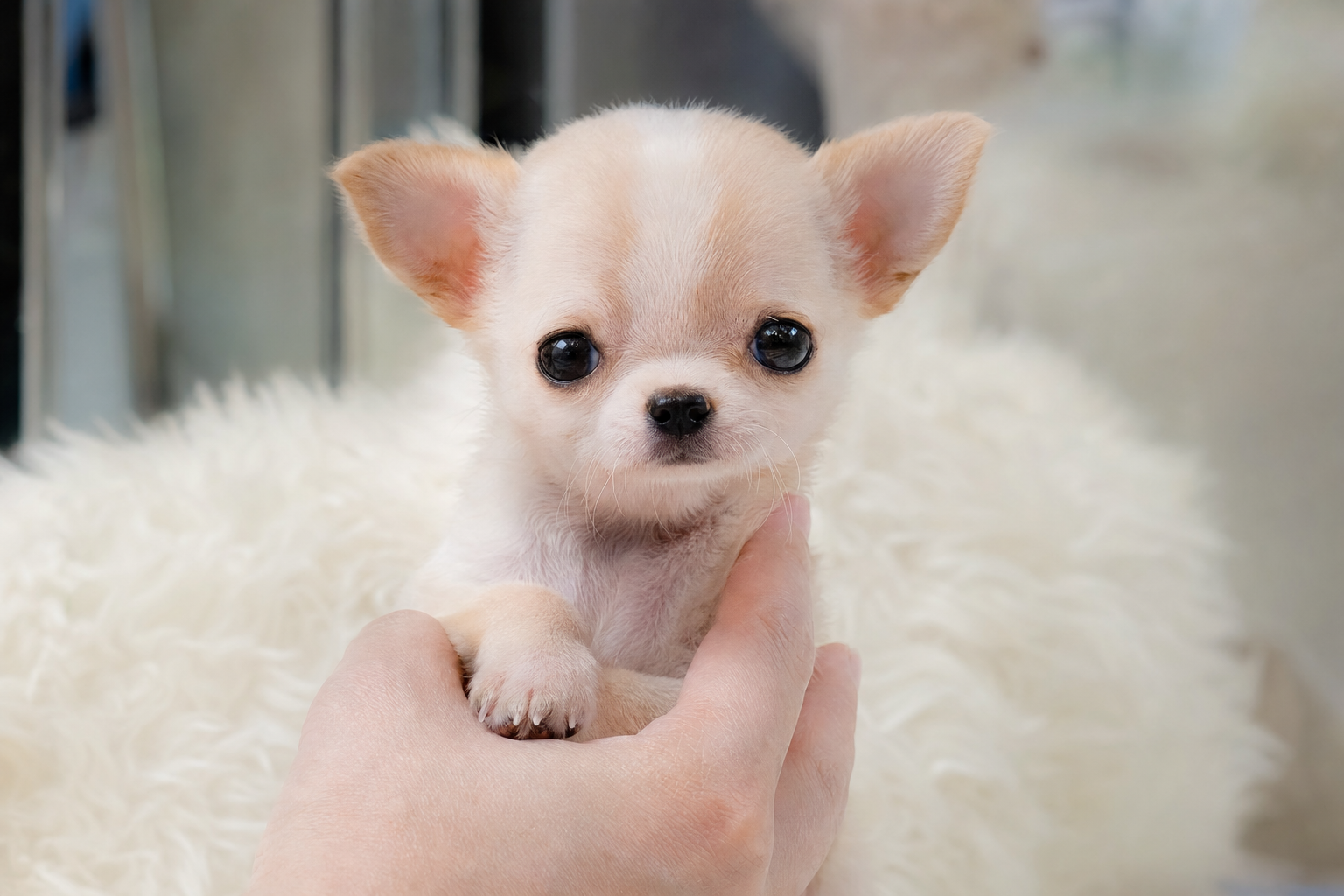
As a breeder of boutique Apple Head Chihuahuas, one question I hear often from new owners is, "How do I know if my puppy is okay?" It’s a valid and loving question. These tiny beings can’t tell us what’s wrong, so it’s our job as their guardians to learn their language — the subtle, and sometimes not-so-subtle, signs of stress and illness.
My name is Yulia Sky, and since founding World Class Puppies in 2019, I’ve dedicated my life to raising healthy, well-socialized Chihuahua puppies. From my home in California, I’ve guided many families, including those in San Bernardino, through the incredible journey of puppyhood. A huge part of that journey is building the confidence to care for a delicate Teacup or Miniature Chihuahua. This guide is my way of sharing the knowledge I've gained, so you can feel empowered to keep your tiny companion safe and sound. To learn more about our breeding philosophy, you can read our story.
This article is more than just a list of symptoms; it’s a framework for observation. It’s about knowing your puppy’s unique baseline—their energy levels, their appetite, their quirks—so that the moment something changes, you’re the first to know.
Why Apple Head Teacup Chihuahua Puppies Are a Great Fit for San Bernardino Families
The lifestyle in San Bernardino and the greater Inland Empire is perfectly suited for a Chihuahua companion. With a mix of urban apartment living and more spacious suburban homes, the Chihuahua's adaptability shines. Their tiny size makes them excellent apartment friendly dogs, as they don't require a large yard to be happy.
San Bernardino's climate, known for its hot, sunny days, also makes the Chihuahua an ideal choice. These are primarily indoor dogs that cherish climate-controlled environments. While they enjoy a short, leisurely walk in the cool morning or evening around a neighborhood like Arrowhead or a local park, they are not built for strenuous hikes or long exposure to the heat. They are perfectly content playing with some of the best toys for a Teacup Chihuahua puppy in the comfort of your air-conditioned home.
For families and individuals in the IE, a Chihuahua offers immense love without demanding a high-energy lifestyle. They are loyal companions for homebodies and provide a comforting presence that enriches daily life. A quick trip to the store or a visit to a pet-friendly cafe is an adventure for them, but their true happy place is right by your side on the couch.
Buyer's Guide: How to Choose a Healthy Apple Head Teacup Chihuahua Puppy
Recognizing health begins the moment you start your search for a puppy. A responsible breeder is your first line of defense against future heartache. When you inquire about our available puppies, we are transparent about every aspect of their health. Here is a checklist of what to look for to ensure you are bringing home a healthy, robust puppy:
- Parental Health Testing: The breeder should be able to discuss the health of the parent dogs. Ask about screening for common Chihuahua issues like patellar luxation and heart conditions (cardiac evaluation).
- Vaccination & Deworming Records: You should receive a detailed health record showing all age-appropriate vaccinations and deworming treatments the puppy has received. For a detailed overview, you can review a sample breeder's vaccination schedule. This is non-negotiable.
- Observing the Puppy: A healthy puppy is curious, playful (after a nap!), and alert. Their eyes should be clear and bright, with no discharge. Their coat should be clean and full, and their body should feel sturdy, not frail. They shouldn't have a persistent cough or sneeze.
- Age at Pickup: For tiny Teacup Chihuahuas, it is crucial they stay with their mother and littermates longer than standard-sized breeds. We at World Class Puppies do not let our puppies go to their new homes until they are at least 12-16 weeks old. This ensures they are more resilient, socially developed, and less prone to hypoglycemia.
- Sales Contract & Health Guarantee: A professional breeder will always provide a written contract that outlines the terms of the sale, their responsibilities, and yours. This should include a health guarantee that protects you and the puppy.
Breed Comparison: Apple Head vs. Deer Head Chihuahuas
While all Chihuahuas are wonderful, there are distinct variations within the breed. The most common distinction is between the "Apple Head" and "Deer Head" types. At World Class Puppies, we specialize in the Apple Head, which is the breed standard. Understanding the differences can help you appreciate the unique qualities of your dog.
| Feature | Apple Head Chihuahua | Deer Head Chihuahua |
|---|---|---|
| Head Shape | A round, apple-domed skull with a 90-degree angle where the muzzle meets the forehead ("stop"). | A longer, narrower head with a sloped forehead and longer muzzle, resembling a young deer. |
| Eyes | Large, round, and expressive, but not overly protruding. | Can be more almond-shaped and less prominent. |
| Body | Typically a more compact, cobby body with shorter legs. | Often have a longer body and longer legs. |
| Breed Standard | This is the only type recognized in the show ring by organizations like the AKC. | Not a recognized show standard, but beloved as pets. |
| Temperament | Temperament is individual, but both types share the classic Chihuahua loyalty and sass. | No significant difference in temperament; it depends on breeding and socialization. |
For a more detailed comparison, you can read our post on Apple Head vs. Deer Head Chihuahuas.
Puppy Care Tips from a Breeder: Recognizing Stress and Illness
This is the heart of responsible Chihuahua ownership. Your tiny puppy depends on your ability to see when something is wrong.
What are the first signs of illness in a Chihuahua puppy?
The earliest signs are often behavioral. Is your usually playful puppy suddenly lethargic and unwilling to get up? Have they refused a meal, which is highly unusual for a growing pup? Are they hiding under furniture and not wanting to interact? Other early physical signs include shivering when it's not cold, vomiting, diarrhea, or gums that look pale or white instead of a healthy pink. Any of these symptoms, especially a refusal to eat or lethargy, are an emergency for a toy breed puppy and require an immediate call to your vet.
How can I tell if my Chihuahua is stressed?
Stress is different from illness but can lead to it. A stressed puppy is an unhappy puppy. Look for these subtle body language cues:
- Lip Licking & Yawning: When not hungry or tired, these can be signs of anxiety.
- Whale Eye: Showing the whites of their eyes is a classic sign of fear or stress.
- Tucked Tail: A tail tucked tightly between the legs signals fear.
- Panting: Panting when not hot or having just exercised indicates stress.
- Hiding or Cowering: A desire to escape the situation.
A Critical Warning: Hypoglycemia
Hypoglycemia, or low blood sugar, is the single most dangerous and immediate threat to a Teacup Chihuahua puppy. Their tiny bodies have minimal reserves, and skipping even one meal can be catastrophic. I cannot stress this enough. For a deep dive, please read our essential guide on Hypoglycemia in Teacup Chihuahuas.
Signs of Hypoglycemia: Weakness, lethargy (like a limp noodle), stumbling, disorientation, and in severe cases, seizures or coma.
Immediate Action: At the very first sign, you must intervene. Rub a high-sugar substance like Nutri-Cal, Karo syrup, or honey onto their gums. Do not try to force them to swallow if they are disoriented. Get the sugar on the gums and call your vet or the nearest emergency animal hospital immediately while you are on your way there.
Vet Timeline and Dental Care
Your puppy will need several vet visits in their first year for vaccinations. Keep this schedule, as their tiny immune systems are vulnerable. Beyond shots, dental care is paramount. Chihuahuas are prone to dental disease. Start early by getting them used to you looking in their mouth. Provide safe chew toys and plan for regular professional cleanings as recommended by your vet. Persistent bad breath is not normal and is a sign of dental issues that need to be addressed. Our complete guide to Chihuahua dental care can help you establish a great routine.
Travel and Delivery to San Bernardino
For our clients in San Bernardino and throughout Southern California, we ensure the transition for your new puppy is stress-free. We do not ship our puppies as cargo. Instead, we offer a personalized, hand-delivery service via a dedicated puppy nanny who will fly with your puppy in-cabin and meet you at San Bernardino International Airport (SBD) or another convenient location. We can also arrange for a direct, chauffeured delivery to your home.
Throughout the selection process, we utilize video chats so you can see your puppy, watch them play, and ask questions in real-time. This transparency is key to our philosophy, allowing you to see for yourself that you are getting a happy, healthy puppy from a clean, loving environment. You can check our past clients page to see families we've united.
Frequently Asked Questions
What are the first signs of illness in a Chihuahua puppy?
The earliest signs are often behavioral changes. Look for lethargy, refusing a meal, hiding, or unusual quietness. Physically, watch for shivering when not cold, pale gums, vomiting, or diarrhea. Any of these warrant an immediate call to your vet.
How can I tell if my Chihuahua is stressed?
Chihuahuas show stress through subtle cues like excessive yawning, lip licking, and showing the whites of their eyes ('whale eye'). They may also tuck their tail, tremble, pant when not hot, or try to hide. Paying attention to this body language is key to understanding their comfort level.
Are Chihuahuas good apartment dogs?
Yes, Chihuahuas are fantastic apartment dogs. Their tiny size means they don't need much space to be happy, and their exercise needs can be met with indoor play and short daily walks. They thrive on being close to their people, making them ideal companions for apartment dwellers.
What should I know before buying a Chihuahua?
You should know that they are big dogs in a small body with a long lifespan (14-18 years). They require consistent training, early socialization, and regular dental care. For Teacup varieties, you must be prepared to manage their risk of hypoglycemia with frequent, small meals.
Ready to Welcome Your New Puppy?
Bringing a Chihuahua into your life is a decision filled with love and joy. Being prepared to monitor their health is the greatest gift you can give them in return. If you feel ready to provide a loving, forever home to one of our special puppies, I invite you to view our available puppies.
If you have more questions or would like to begin the process, please reach out to me directly. The best way to get in touch is through our Contact us page or by sending an email to genasax@icloud.com. I look forward to helping you find your new best friend.
Educational information only. This article is general Chihuahua owner education written by the World Class Puppies breeding program. It is not veterinary advice and has not been reviewed by a veterinarian. Vaccination, spay/neuter timing, diet and treatment decisions depend on the individual dog — please follow the guidance of your own licensed veterinarian.
Frequently asked questions
What are the first signs of illness in a Chihuahua puppy?
The earliest signs are often behavioral changes. Look for lethargy, refusing a meal, hiding, or unusual quietness. Physically, watch for shivering when not cold, pale gums, vomiting, or diarrhea. Any of these warrant an immediate call to your vet.
How can I tell if my Chihuahua is stressed?
Chihuahuas show stress through subtle cues like excessive yawning, lip licking, and showing the whites of their eyes ('whale eye'). They may also tuck their tail, tremble, pant when not hot, or try to hide. Paying attention to this body language is key to understanding their comfort level.
Are Chihuahuas good apartment dogs?
Yes, Chihuahuas are fantastic apartment dogs. Their tiny size means they don't need much space to be happy, and their exercise needs can be met with indoor play and short daily walks. They thrive on being close to their people, making them ideal companions for apartment dwellers.
What should I know before buying a Chihuahua?
You should know that they are big dogs in a small body with a long lifespan (14-18 years). They require consistent training, early socialization, and regular dental care. For Teacup varieties, you must be prepared to manage their risk of hypoglycemia with frequent, small meals.
Ready to meet your new puppy?
See currently available teacup puppies or reach out to join our waitlist.