Long Hair Chihuahua
Chihuahua Puppy Checklist for New Owners
By Yulia Sky · October 7, 2026
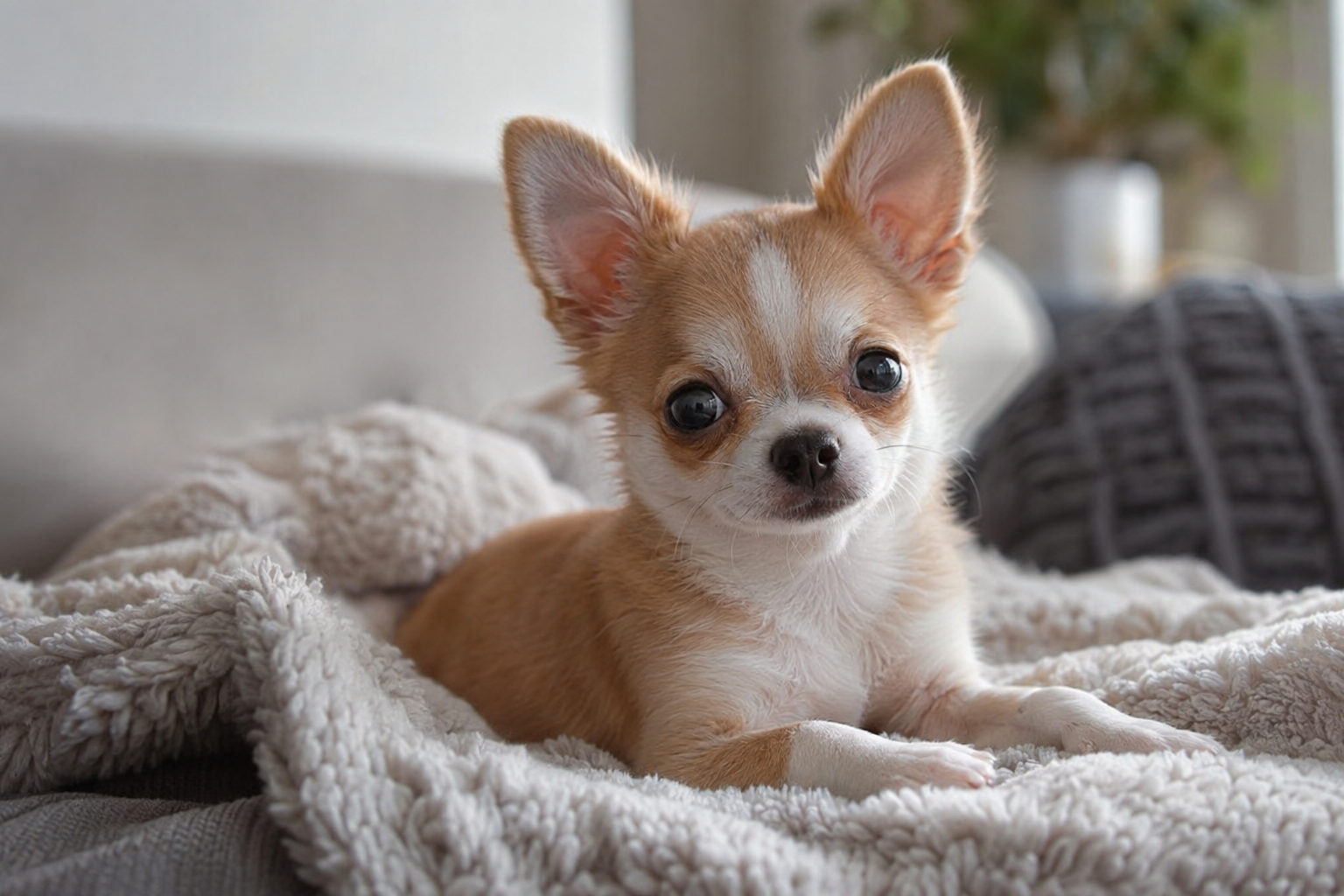
Chihuahua Puppy Checklist for New Owners
Your Chihuahua puppy checklist should cover six essentials before homecoming: a secure resting space, familiar food, a toilet plan, safe transport, basic grooming tools, and organized health records. For a Long Hair Chihuahua, add a gentle brush and comb—but prioritize comfort and safety over buying every accessory at once.
I'm Yulia Sky, founder of World Class Puppies, an in-home Chihuahua breeding program established in 2019. My approach to new-owner preparation is simple: make everyday care repeatable, keep your expectations realistic, and learn the individual puppy rather than relying on appearance or size labels.
If you are exploring available Chihuahua puppies, use this checklist to prepare questions as well as your home. Availability changes weekly; choosing the right match matters more than rushing a shopping list.
What do I need before bringing home a Chihuahua puppy?
You need a secure carrier, a puppy-safe resting area, familiar food, stable bowls, a toilet setup, and appropriately sized care supplies. Have the puppy's records and your veterinarian's contact details ready too. Buy essentials first, then adjust optional items after learning your puppy's habits.
Your ready-before-homecoming checklist
- Secure carrier with ventilation and a washable liner
- Appropriately sized crate or pen with secure openings
- Comfortable, washable bedding without loose filling
- Current puppy food and written feeding instructions
- Stable, accessible food and water bowls
- Designated toilet area and cleaning supplies
- Lightweight harness and leash checked for fit
- Puppy-appropriate toys without detachable pieces
- Soft brush and smooth, rounded-tooth comb
- Health records, care notes, and emergency contacts
Avoid stocking up on clothing or multiple harnesses before checking measurements. Chihuahua puppies can slip through openings that look surprisingly narrow, so the fit and construction of equipment deserve more attention than the label on the package.
For purchase planning, each available puppy is individually priced on the listings. Use the Chihuahua puppy price guide for additional context, while keeping ongoing care expenses separate from the puppy's purchase price.
How do I puppy-proof my home for a Chihuahua?
Start with a contained floor-level area where you can control access to hazards and supervise easily. Block gaps, remove chewable or swallowable objects, and prevent access to stairs and furniture edges. Check the space from the puppy's height rather than judging safety while standing.
Walk through the room at floor level
Tuck electrical cords out of reach. Move medications, cleaning products, plants, and human food into secure storage. Look beneath furniture for dropped objects, and check whether a puppy could become trapped behind a cabinet or appliance.
Keep recliners and other moving furniture inaccessible. Use secure barriers near stairs, but inspect the spaces between bars: a barrier is not useful if a tiny Chihuahua can squeeze through it.
Prepare a quiet resting area away from busy doorways. Place the toilet area apart from bedding and bowls, while making the route easy to understand. Do not give immediate access to the entire home; expand freedom as supervision and toilet habits improve.
My complete Chihuahua homecoming guide explains how to organize the arrival itself without overwhelming the puppy.
What grooming supplies does a Long Hair Chihuahua need?
A Long Hair Chihuahua needs a gentle brush, a comb that passes comfortably through the coat, washable towels, and puppy-appropriate bathing products. Introduce the tools gradually, with brief, calm handling rather than a full grooming session on arrival. Tight mats, painful skin, or persistent irritation call for professional advice.
Long hair Chihuahua care is about reaching the places where friction creates tangles, not simply brushing the visible back coat. Check behind the ears, under the front legs, around the harness, and along the feathering. Work gently and stop if the puppy becomes uncomfortable.
Keep your first grooming checklist straightforward:
- Let the puppy investigate the brush without forcing contact.
- Practice a few gentle strokes during a relaxed moment.
- Check whether the comb moves easily through small sections.
- Keep the coat around the rear clean and dry.
- Check nails and ask for a safe demonstration before trimming.
- Introduce mouth handling gently; choose dental products with veterinary guidance.
Do not cut a tight mat close to the skin with household scissors. Ask a qualified groomer or veterinarian for help. Bathing should respond to actual dirt and coat needs, not an arbitrary calendar; rinse thoroughly and dry comfortably without excessive heat.
A puppy coat may look different as it develops. Groom the coat your puppy has now rather than expecting a fully feathered adult appearance at homecoming.
How should I organize my Chihuahua puppy's first week?
Keep the first week predictable: familiar food, frequent opportunities to use the toilet, short interactions, and protected rest. Limit visitors and introduce new experiences one at a time. Follow the puppy's existing care instructions while discussing individualized adjustments with your veterinarian.
Create a simple daily rhythm
Think in repeating sequences rather than rigid clock times: wake, toilet opportunity, food when due, another toilet opportunity, brief interaction, then rest. Offer additional toilet opportunities after drinking, play, and waking. Reward successful toileting calmly, and avoid punishment for accidents.
Write down meals, toileting, and observations so everyone in the household follows the same plan. Chihuahua puppy care becomes harder when one person changes the food while another changes the toilet location.
Have the current food ready before arrival. Ask for the exact product, preparation details, and established routine in writing. Do not improvise fasting periods or use an internet portion chart as a substitute for guidance suited to your puppy.
Keep fresh water accessible. If your puppy refuses food or seems unwell, contact your veterinarian promptly instead of repeatedly experimenting with new foods.
Build comfort without constant stimulation
A crate should be a comfortable resting option, not a punishment or a place to ignore distress. Follow the gradual approach in my Chihuahua puppy crate training guide, and keep toilet needs in mind.
Practice tiny, manageable moments of independence while nearby rather than abruptly leaving for a long period. My guide to preventing separation anxiety in Chihuahua puppies offers additional preparation ideas without promising that any routine prevents every problem.
Which records should I organize for my Chihuahua puppy?
Collect the puppy's identifying information, available health records, inoculation history, feeding notes, and written purchase documents. Read each document before agreeing to its terms, and save copies where you can find them quickly. Your veterinarian should review the medical history and identify any missing information.
Useful Chihuahua breeder questions include:
- What food is the puppy eating, and how is it prepared?
- Which toilet surface and sleeping setup are familiar?
- What grooming and handling has the puppy experienced?
- Which health records will accompany the puppy?
- What should I do if a concern appears after homecoming?
When assessing a seller or checking warning signs, use the Chihuahua puppy scam checklist. Never treat attractive photographs as a substitute for clear documentation. For transactions subject to California requirements, as of January 1, 2026, written disclosure of a dog's origin, health status, and inoculations is required, and reselling dogs the seller did not breed is restricted. Consult the California puppy buyer law guide for context rather than treating this checklist as legal advice.
Read the actual health guarantee, including its conditions and exclusions, rather than assuming a guarantee covers every future concern. For real owner references, see our past clients and their puppies; a checklist cannot replace your own careful review.
When should I contact my veterinarian about a new Chihuahua puppy?
Arrange a veterinary review around homecoming and ask your veterinarian what timing fits the puppy's records and condition. Seek prompt advice for appetite changes, vomiting, diarrhea, unusual tiredness, or other concerning changes. Collapse, difficulty breathing, seizures, or marked weakness require urgent veterinary attention.
Use this section as a basic long hair Chihuahua health guide, not a diagnostic tool. A fluffy coat can make body shape harder to judge, and behavior alone does not establish whether a puppy is healthy.
Ask your veterinarian about nutrition, body condition, parasite prevention, oral care, and safe exposure to public spaces. Vaccination decisions should be based on documented history and individual risk—not a universal online schedule.
Keep your regular clinic and an emergency clinic's contact details accessible to every caregiver. Do not give human medication or attempt treatment based on social media advice.
How can I help a Long Hair Chihuahua feel safe with my family?
Give the puppy a protected retreat and make handling calm, supported, and supervised. Ask children to sit on the floor for interactions, and never require the puppy to tolerate chasing or forced cuddles. Choose interactions around the individual puppy's comfort rather than assumptions about coat type.
Long hair Chihuahua temperament is not guaranteed by a beautiful coat. Observe whether your puppy approaches willingly, needs more distance, or becomes tired during activity. End interactions before they become overwhelming.
When considering a Long Hair Chihuahua for families, the important questions are practical: who supervises, who manages doors, and who follows the care routine? Support both the chest and hindquarters when lifting, and keep the puppy away from furniture edges.
The same safety principles apply to apple head Chihuahua puppies. For puppies advertised as teacup Chihuahua puppies, remember that “teacup,” “mini,” “micro,” and “tiny” are informal marketing terms, not official AKC varieties. The AKC recognizes one Chihuahua breed, with an adult weight not exceeding 6 lb, in smooth and long coats; a marketing label does not guarantee adult size.
Finish with a household handoff
Before arrival, make sure each caregiver can locate the food instructions, toilet supplies, carrier, and emergency contacts. Agree on door safety and handling rules. A modest setup used consistently is more helpful than a room full of equipment nobody knows how to use.
When you are ready, browse our available Chihuahua puppies and contact us with questions about preparing for your individual puppy. Readers specifically researching Chihuahua puppies for sale in Los Angeles can use that dedicated resource without changing this location-neutral care checklist.
Educational disclaimer: This article is for general educational purposes only and is not veterinary advice, diagnosis, or treatment. Consult your own veterinarian for guidance tailored to your Chihuahua's age, health, and individual needs. Seek urgent veterinary care if your puppy appears seriously unwell.
Frequently asked questions
Should I buy a complete puppy starter bundle?
Not necessarily. Check each item's fit, construction, and usefulness rather than assuming a bundle suits a Chihuahua. A secure carrier, safe resting area, familiar food, and basic grooming tools matter more than matching accessories.
Does a Long Hair Chihuahua need a sweater indoors?
Not automatically; a long coat does not tell you exactly how comfortable an individual puppy feels. Consider the room temperature and your puppy's behavior, and use only comfortable, properly fitted clothing under supervision. Unexplained trembling deserves veterinary advice rather than an assumption that the puppy is cold.
What should a backup caregiver know before puppy-sitting?
Provide the puppy's written food routine, toilet setup, safe handling rules, and emergency contacts. Explain how to secure doors and barriers and when to contact you or a veterinarian. A caregiver should not improvise food changes or medications.
Should I wash every blanket immediately after homecoming?
Wash anything soiled, but a clean familiar blanket can help preserve continuity while your puppy settles. Ask whether there is a familiar bedding item available rather than assuming one is included. Keep all bedding dry and remove pieces with loose threads or damaged seams.
Ready to meet your new puppy?
See currently available teacup puppies or reach out to join our waitlist.