Long Hair Chihuahua
Separation Anxiety in Chihuahua Puppies: How to Prevent
By Yulia Sky · August 25, 2026
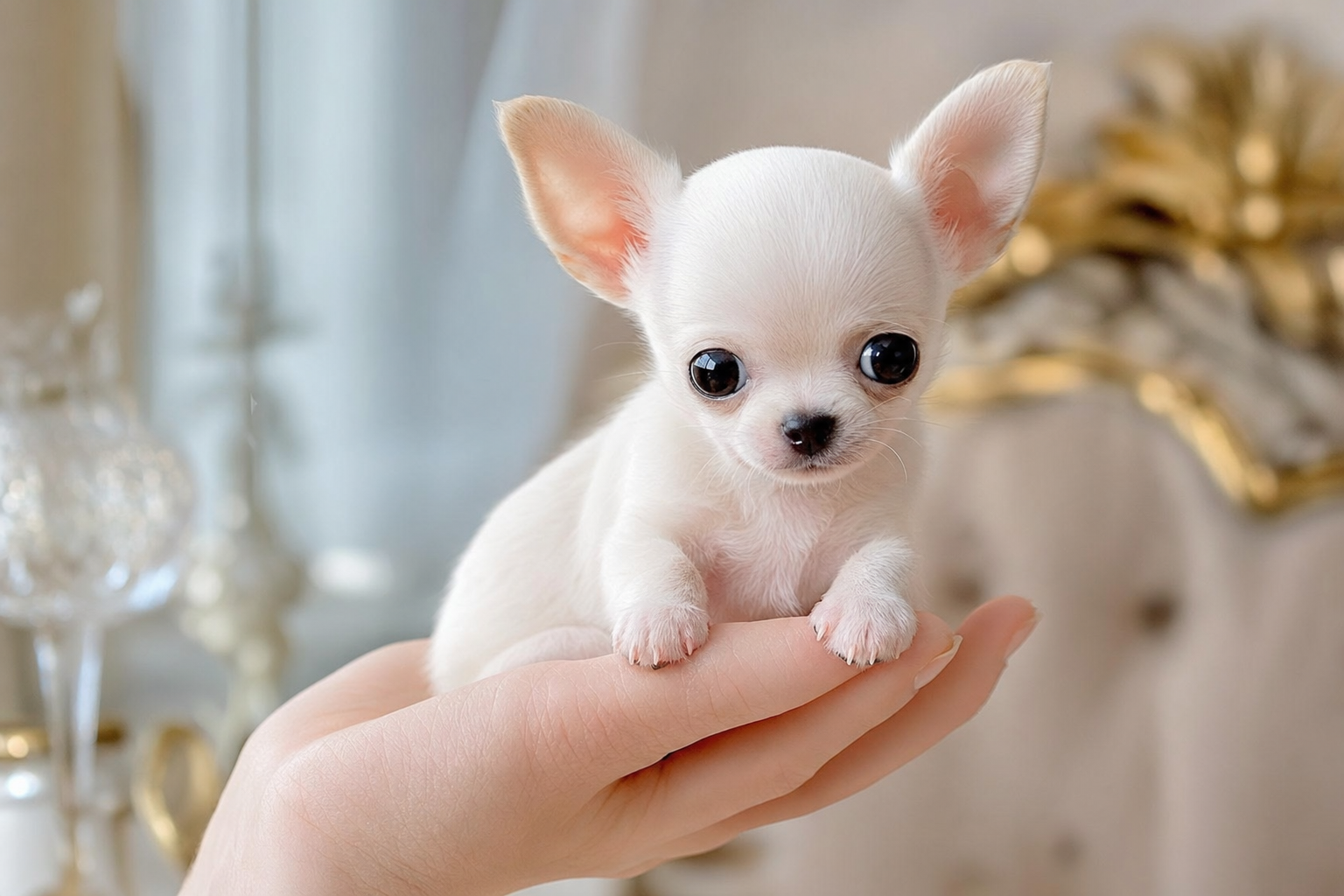
As a boutique Chihuahua breeder here in California, one of the most rewarding parts of my job is seeing puppies go to loving homes. But with that deep bond comes a common question from new families: "How do I keep my puppy from crying when I leave?" It's a valid concern. Chihuahuas, whether they are tiny Apple Heads or elegant Long Hair varieties, are bred for companionship. Their whole world revolves around their person, which can sometimes lead to separation anxiety if not managed from the start. That's why I've made it a priority to help families, including those looking for Chihuahua puppies in San Bernardino, learn how to raise a confident, independent puppy.
Over the years at World Class Puppies, I’ve developed a gentle approach that starts the moment a puppy is born, preparing them for a smooth transition. This guide shares my experience in preventing separation anxiety before it ever becomes a problem. If you're preparing for a new furry family member, my complete guide on how to bring home a Chihuahua puppy is a great place to start. And if you're ready to find your perfect companion, you can always see my available Chihuahua puppies.
The San Bernardino Lifestyle and Your Chihuahua's Independence
Life in the Inland Empire is diverse and busy. Many families in San Bernardino, Loma Linda, and Redlands have daily commutes and active schedules. Whether you live in an apartment downtown or a family home in the suburbs, your Chihuahua will inevitably need to spend some time alone. This is not a bad thing! A well-adjusted puppy is happy to nap and play independently, trusting that you will return.
Establishing this independence is vital. A puppy that learns to be comfortable on its own is less likely to develop destructive behaviors like excessive barking—a key consideration for apartment dwellers—or anxious habits. The goal isn't to create distance, but to build your puppy's confidence. By teaching them that being alone is safe and temporary, you give them a gift that will benefit them for their entire life, perfectly complementing the busy but rewarding lifestyle many San Bernardino residents lead.
A Breeder's Step-by-Step Guide to Prevention
Preventing separation anxiety is much easier than treating it. It’s all about creating positive associations and building trust from day one. Here are the core strategies I use with my own puppies and recommend to all new owners.
1. Crate Training is Your Best Friend
Many people resist crate training, but I cannot stress this enough: a crate is not a cage. When introduced properly, it's a safe, cozy den where your puppy feels secure. This is the cornerstone of preventing separation anxiety. Start by making the crate a wonderful place with comfy bedding and special toys they only get inside the crate. For a detailed walkthrough, I've written an entire breeder's guide to crate training a Chihuahua puppy.
2. Practice Short, Calm Departures
From the very first week, start leaving your puppy alone for very short periods. Put them in their crate or playpen with a fun toy, walk out of the room for 30 seconds, and then walk back in. Don't make a big deal of it. As they get comfortable, gradually increase the duration: a few minutes, then 15 minutes, then an hour. This teaches them that you always come back.
3. Keep Hellos and Goodbyes Low-Key
Dramatic, emotional goodbyes create anticipation and stress. Instead, about 10-15 minutes before you leave, give your puppy a special puzzle toy in their crate. Then, leave quietly without a fuss. When you return, greet them calmly. Wait until they have settled down before engaging in excited play. This signals that your departures and arrivals are normal, not a cause for panic.
4. Enrichment is Everything
A bored puppy is an anxious puppy. A tiny Chihuahua's mind is still sharp and needs stimulation. Invest in puzzle feeders, treat-dispensing toys, and safe chew items. Rotating these toys keeps them novel and exciting. When your puppy is occupied with solving a puzzle to get their food, they are less likely to notice you're gone.
Essential Puppy Care That Builds Confidence
Your daily care routines are powerful opportunities to build a secure and confident dog. Consistency is key.
- Feeding Schedule: A predictable feeding schedule helps regulate their metabolism and energy. For tiny puppies, this is also crucial for preventing hypoglycemia, a sudden drop in blood sugar that can be dangerous. A stable routine creates a sense of security.
- Potty Training: Consistent potty training reinforces routine and reduces accidents, which can themselves be a source of stress for both you and your puppy.
- Socialization: During the critical window of 8-16 weeks, safely exposing your puppy to new sounds, sights, and gentle people helps them learn that the world is not a scary place. A confident, well-socialized dog is less likely to be generally anxious.
- Choosing a Reputable Breeder: A puppy's start in life matters. A good breeder begins socialization and confidence-building exercises from a young age. When you invest in a puppy from a reputable source, you are getting more than just a dog; you are getting a foundation of good health and temperament. Understanding what goes into this can be seen in our Chihuahua puppy price guide.
Travel and Safe Delivery to San Bernardino
For families in the San Bernardino area and across California, we ensure the transition to your home is seamless and stress-free. We never ship our puppies in cargo. I believe in a personal touch, which is why we offer hand-delivery services where your puppy travels in-cabin with a dedicated flight nanny.
We encourage all prospective families to meet their puppy via video chat to see their personality and environment. This transparency is a crucial part of our process and helps you avoid issues outlined in our Chihuahua puppy scam checklist. We want you to feel completely comfortable and connected to your new puppy long before they arrive at your home in San Bernardino.
Frequently Asked Questions About Chihuahua Separation Anxiety
How long can a Chihuahua puppy be left alone? A general rule of thumb is one hour for every month of age, plus one. However, for tiny puppies under 4 months, it's best to limit alone time to 2-3 hours to prevent hypoglycemia and potty accidents. The goal is to build up duration gradually and comfortably.
Is crate training good for preventing separation anxiety? Yes, absolutely. When introduced correctly as a safe, positive 'den,' a crate provides a secure space for your puppy. It becomes their personal retreat, which significantly reduces anxiety when you are not home. It is one of the most effective tools for prevention.
What are the first signs of separation anxiety in a puppy? Early signs can be subtle. Look for excessive whining or crying when you prepare to leave, frantic behavior upon your return, or destructive chewing and potty accidents that only happen when you're gone. Some puppies may also refuse to eat unless you are present.
At what age can separation anxiety start in Chihuahuas? Separation anxiety can develop at any age, but it often begins to surface between 8 weeks and 6 months, as a puppy settles into their new home and forms a strong bond with their family. This is why preventative training from the moment you bring your puppy home is so crucial.
Ready to Raise a Confident Chihuahua?
Bringing a Chihuahua puppy into your life is a journey of immense joy and companionship. By being proactive and focusing on building their confidence from day one, you can ensure your bond is healthy and free from the stress of separation anxiety. You can read about the experiences of families who have welcomed our puppies on our past clients page.
All of our puppies come home with a solid foundation and a comprehensive health guarantee. We are also fully compliant with all state regulations, and I encourage you to review our California puppy buyer law guide for your peace of mind. If you have questions or are ready to take the next step, please contact us by sending an email to genasax@icloud.com. We would be delighted to help you find your new best friend.
Frequently asked questions
How long can a Chihuahua puppy be left alone?
A general rule of thumb is one hour for every month of age, plus one. However, for tiny puppies under 4 months, it's best to limit alone time to 2-3 hours to prevent hypoglycemia and potty accidents. The goal is to build up duration gradually and comfortably.
Is crate training good for preventing separation anxiety?
Yes, absolutely. When introduced correctly as a safe, positive 'den,' a crate provides a secure space for your puppy. It becomes their personal retreat, which significantly reduces anxiety when you are not home. It is one of the most effective tools for prevention.
What are the first signs of separation anxiety in a puppy?
Early signs can be subtle. Look for excessive whining or crying when you prepare to leave, frantic behavior upon your return, or destructive chewing and potty accidents that only happen when you're gone. Some puppies may also refuse to eat unless you are present.
At what age can separation anxiety start in Chihuahuas?
Separation anxiety can develop at any age, but it often begins to surface between 8 weeks and 6 months, as a puppy settles into their new home and forms a strong bond with their family. This is why preventative training from the moment you bring your puppy home is so crucial.
Ready to meet your new puppy?
See currently available teacup puppies or reach out to join our waitlist.