Los Angeles, California · Long Hair Chihuahua
Crate Training a Chihuahua Puppy: A Breeder's Guide
By Yulia Sky · August 23, 2026
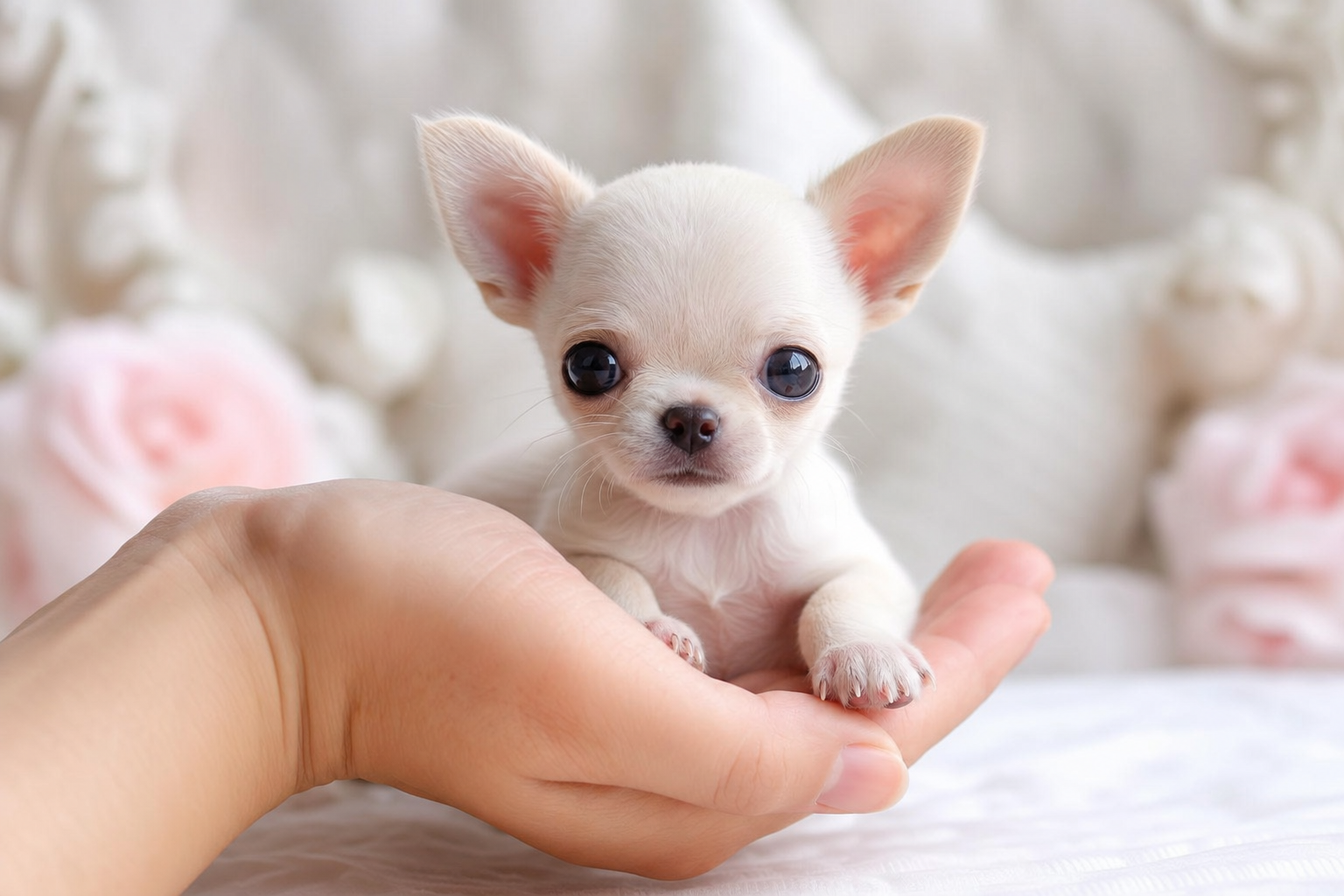
As a boutique Chihuahua breeder here in California, one of the most common questions I get from new puppy parents is about crate training. I'm Yulia, the founder of World Class Puppies, and since 2019, I’ve dedicated my life to raising healthy, well-socialized Apple Head and Long Hair Chihuahuas from incredible European bloodlines. I’ve helped countless families, including many looking for Chihuahua puppies in Los Angeles, prepare their homes and hearts for a new tiny companion. And a huge part of that preparation is understanding the 'why' and 'how' of crate training.
Many people see a crate and think of it as a cage, but that couldn't be further from the truth when done correctly. For a Chihuahua, a crate is a safe, cozy den—a personal space where they can feel secure and relax. It's an invaluable tool for house-training, preventing destructive behavior, and ensuring their safety when you can't supervise them. It’s a foundational step in raising a confident, happy dog. If you're considering one of our available Chihuahua puppies, this guide will set you up for success from day one.
This isn't just theory; it's the hands-on practice I use with every litter I raise. I'm here to share my step-by-step process to help you make the crate a positive and cherished space for your new Long Hair Chihuahua puppy.
Why Crate Training is Essential for Los Angeles Chihuahua Owners
Life in Los Angeles is vibrant and fast-paced, which is part of its charm. Whether you're in a chic apartment in Beverly Hills or a cozy bungalow in Santa Monica, a crate provides a consistent safe haven for your tiny Chihuahua amidst the city's hustle and bustle. For apartment dwellers, in particular, crate training is a game-changer. It's the most effective way to fast-track potty training, preventing accidents on your rugs and floors.
Think about the typical LA lifestyle: brunch outings, trips to the coast, or simply running errands. A crate-trained Chihuahua is a portable and secure companion. They learn to settle calmly, making car rides safer and visits to friends' homes easier. It also provides a sanctuary for them during gatherings or if you have service people in your home. Instead of feeling anxious or underfoot, your pup has their own private room to retreat to. For a breed so small, this sense of security is paramount to their well-being.
Furthermore, crate training helps prevent separation anxiety, a common trait in these devoted little dogs. By teaching your puppy that being alone in their 'den' is safe and rewarding, you're preparing them for the moments when you have to leave. This is crucial for building a resilient, independent dog that is happy both by your side and on their own. For these reasons, I always tell my LA-based families that crate training isn't just an option; it's an act of love.
What should I know before buying a Chihuahua?
Bringing a puppy home is a huge commitment, and it's vital to start with a healthy, well-socialized pup from a reputable source. Asking the right questions and knowing what to look for will protect you from heartbreak and financial loss. If you ever feel pressured or see red flags, it's okay to walk away. Our Chihuahua puppy scam checklist is a great resource to have on hand.
Here is my breeder's checklist for choosing a healthy puppy:
- Breeder Transparency: A reputable breeder will welcome questions and be happy to show you where the puppies are raised. Ask for video calls to see the mother and the puppies in their environment. I personally love introducing families to my puppies via FaceTime.
- Health Guarantees: Ask about the health guarantee. We provide a written health guarantee covering congenital and hereditary conditions for 12 months, which is a standard of care for responsible breeders.
- Veterinary Records: Your puppy should come with a record of their first vaccinations (usually DHPP at 8 and 12 weeks) and deworming schedule. A responsible breeder never lets a puppy go home before 8-10 weeks of age, and for tiny Teacup sizes, it's often 12-16 weeks.
- Pedigree and Parentage: Inquire about the puppy's parents. I specialize in European bloodlines known for their excellent health and temperament, which I discuss openly with prospective families. You can learn more about what makes European bloodline Chihuahuas so special in our blog.
- Contract and Buyer Rights: Always insist on a written contract. It protects you, the puppy, and the breeder. In our state, the California puppy buyer law guide outlines specific disclosures breeders must provide. A good contract details the puppy's health, the breeder's responsibilities, and your rights.
- Lifetime Support: A great breeder doesn't disappear after you take your puppy home. I offer lifetime support to all my puppy families, which you can see reflected in the experiences from our puppy families.
Long Hair vs. Short Hair Chihuahua: What's the Difference?
One of the most delightful choices you'll make is whether to get a Long Hair or a Short Hair (also called Smooth Coat) Chihuahua. While they are the same breed, there are a few subtle differences to consider, especially in a place like Southern California. For a deeper dive, you can also read our Long Hair vs. Short Hair Chihuahua guide.
| Feature | Long Hair Chihuahua | Short Hair (Smooth Coat) Chihuahua |
|---|---|---|
| Grooming | Requires brushing 2-3 times a week to prevent matting, especially on the ears, tail, and 'pants'. Shedding is seasonal. | Minimal brushing needed (once a week). They shed year-round, but the hairs are short and less noticeable. |
| Temperament | Often described as being slightly calmer and more easy-going, though this is anecdotal and varies by individual. | Sometimes perceived as being more bold and having that classic 'terrier-like' feistiness. Again, personality varies. |
| Appearance | Silky, soft coat that can be flat or slightly wavy. Features a full tail plume and feathering on the ears and legs. | Sleek, glossy coat that lies close to the body. Highlights their delicate bone structure. |
| Climate | The long coat offers some protection from both sun and cooler coastal evenings. May need trims to stay comfortable in summer. | May need a sweater on cooler LA nights but handles the daytime heat well. Sunscreen on ears is a good idea. |
A Breeder's Guide to Crate Training Your Chihuahua Puppy
Crate training is a process built on patience and positive reinforcement. Your goal is to make the crate your puppy's favorite place in the world. My full process for new owners is detailed in my guide on how to bring home a Chihuahua puppy, but here are the essentials.
Choosing the Right Crate
For a Chihuahua, an 18-inch or 22-inch wire or plastic crate is perfect. It should be just big enough for them to stand, turn around, and lie down. If it's too big, they may use one end as a bathroom. Make it cozy with a soft bed and a safe chew toy.
Making the Crate a Happy Place
The golden rule: the crate is NEVER a punishment. It is a sanctuary.
- Introduce it with Joy: Leave the crate door open in a common area. Toss high-value treats (like tiny pieces of boiled chicken) inside. Let your puppy go in and out at will.
- Feed Meals Inside: Start feeding your puppy all their meals inside the crate. At first, leave the door open. As they get comfortable, you can close it while they eat and open it the moment they finish.
- Use a Command: Use a consistent verbal cue like "Crate" or "Go to your bed." When they go in, reward them with a treat and praise.
- Start Small: Begin closing the door for very short periods while you are still in the room. Start with 30 seconds, then a minute, then five minutes. Always reward them for being quiet.
A Sample Crate Training Schedule (10-Week-Old Puppy)
- 7:00 AM: Wake up, immediate potty break.
- 7:15 AM: Supervised playtime.
- 8:00 AM: Breakfast in the crate, followed by a potty break.
- 8:30 AM - 10:30 AM: Crate nap time.
- 10:30 AM: Potty break, followed by training/playtime.
- 12:00 PM: Lunch, followed by a potty break.
- 12:30 PM - 2:30 PM: Crate nap time.
- 2:30 PM: Potty break and playtime.
- 5:00 PM: Dinner in the crate, followed by a potty break.
- Evening: Supervised play, short crate intervals, and lots of cuddles.
- 10:00 PM: Final potty break before bed. Crate for the night in your bedroom.
- 2:00-3:00 AM: Expect a middle-of-the-night potty break for the first few weeks.
A Note on Hypoglycemia: Tiny puppies, especially Teacup sizes, must eat every 3-4 hours. Never leave a young puppy in a crate for long periods without access to food, as their blood sugar can drop to dangerous levels. You can read more about this in our Teacup Chihuahua size guide.
Travel and Delivery to Los Angeles
While I am based in California, I ensure my puppies arrive safely to their new homes, including to families all over the Los Angeles area. I do not ship puppies in cargo. My top priority is a stress-free transition for your new companion. For families in LA, this often means a personal hand-delivery service where I or a trusted flight nanny accompanies your puppy in-cabin.
We will coordinate a meeting at a convenient location or directly to your home. Before you commit, we will have extensive conversations and video calls so you can see your puppy and ask every question you have. It's the boutique, personal experience that sets a responsible breeder apart. My goal is to build a trusting relationship from our very first conversation.
Frequently Asked Questions About Crate Training Chihuahuas
How long can a Chihuahua puppy stay in a crate?
A good rule of thumb is one hour for every month of age, plus one. So a 3-month-old puppy can generally hold it for about 4 hours. Never leave a tiny Chihuahua puppy in a crate for more than 4-5 hours at a time, except overnight, to prevent accidents and distress.
Should I put my Chihuahua's crate in my bedroom?
Yes, absolutely, especially for the first few weeks. Having the crate in your bedroom helps your puppy feel secure, reduces separation anxiety, and allows you to hear if they need a potty break during the night. This proximity builds a strong bond and makes nighttime training much easier.
What size crate is best for a Chihuahua puppy?
Choose a crate that is just large enough for your puppy to stand up, turn around, and lie down comfortably. A crate that's too large might encourage them to use one end as a bathroom. For most adult Chihuahuas, an 18-inch or 22-inch crate is sufficient.
Are Chihuahuas good apartment dogs?
Chihuahuas are fantastic apartment dogs! Their tiny size means they don't need a large yard, and they are perfectly happy with indoor play and daily walks. Their manageable energy levels and love for cuddling make them ideal for city living in places like Los Angeles.
Ready to Welcome Your New Best Friend?
Crate training is one of the first and most important gifts you can give your new Chihuahua puppy. It builds a foundation of security, confidence, and good behavior that will last a lifetime. With patience and positive reinforcement, you'll find it strengthens your bond in incredible ways.
If you're ready to learn more about our breeding philosophy or see our gorgeous puppies, I invite you to browse our page of available Chihuahua puppies. The price for our puppies can vary, and you can learn more by reading our detailed Chihuahua puppy price guide.
Please feel free to contact us with any questions or email me directly at genasax@icloud.com. I look forward to helping you find the perfect tiny companion for your family.
Educational information only. This article is general Chihuahua owner education written by the World Class Puppies breeding program. It is not veterinary advice and has not been reviewed by a veterinarian. Vaccination, spay/neuter timing, diet and treatment decisions depend on the individual dog — please follow the guidance of your own licensed veterinarian.
Frequently asked questions
How long can a Chihuahua puppy stay in a crate?
A good rule of thumb is one hour for every month of age, plus one. So a 3-month-old puppy can generally hold it for about 4 hours. Never leave a tiny Chihuahua puppy in a crate for more than 4-5 hours at a time, except overnight, to prevent accidents and distress.
Should I put my Chihuahua's crate in my bedroom?
Yes, absolutely, especially for the first few weeks. Having the crate in your bedroom helps your puppy feel secure, reduces separation anxiety, and allows you to hear if they need a potty break during the night. This proximity builds a strong bond and makes nighttime training much easier.
What size crate is best for a Chihuahua puppy?
Choose a crate that is just large enough for your puppy to stand up, turn around, and lie down comfortably. A crate that's too large might encourage them to use one end as a bathroom. For most adult Chihuahuas, an 18-inch or 22-inch crate is sufficient.
Are Chihuahuas good apartment dogs?
Chihuahuas are fantastic apartment dogs! Their tiny size means they don't need a large yard, and they are perfectly happy with indoor play and daily walks. Their manageable energy levels and love for cuddling make them ideal for city living in places like Los Angeles.
Ready to meet your new puppy?
See currently available teacup puppies or reach out to join our waitlist.