Long Hair Chihuahua
Leash Training a Chihuahua Puppy: A Step-by-Step Guide
By Yulia Sky · August 24, 2026
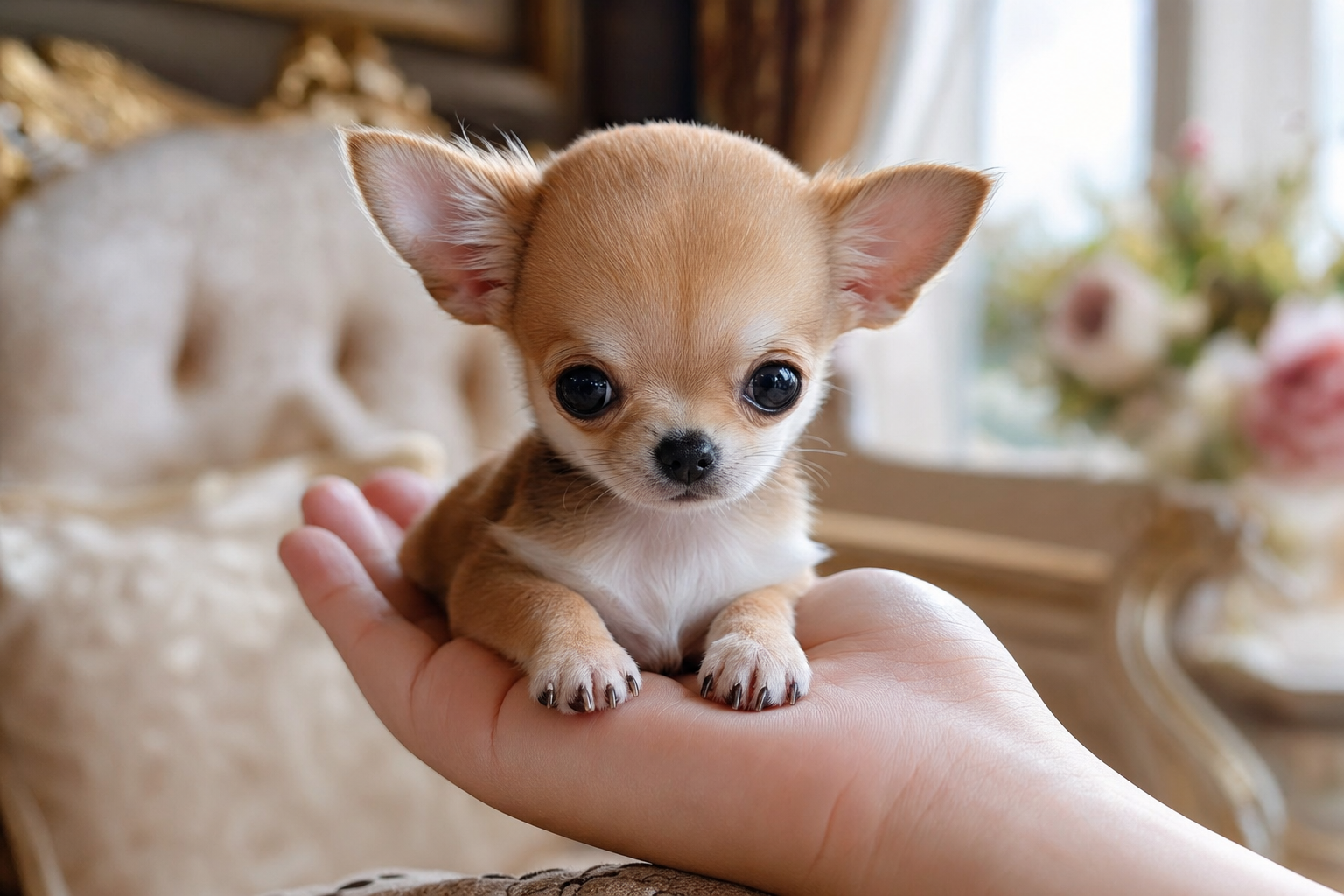
As a boutique Chihuahua breeder here in California, one of the most exciting moments for new puppy families is envisioning those first walks together. The image of a tiny, confident pup trotting happily by your side is what it's all about. But getting there with a Chihuahua, especially a tiny Apple Head or Long Hair variety, requires a specific approach. Over the years, I've guided countless families, including many looking for Chihuahua puppies in Orange County, through this crucial early training milestone.
Leash training isn't just about control; it's about building communication, trust, and a safe way to explore the world with your new companion. It’s a frequent topic of conversation when I chat with families considering one of our available Chihuahua puppies. This guide is my step-by-step process, refined from years of experience raising these intelligent, sensitive dogs from their very first weeks.
Leash Training a Chihuahua in Orange County
The Southern California lifestyle is perfect for a small companion dog, and leash training is your ticket to enjoying it together. Orange County offers a wonderful variety of environments for you and your Chihuahua. Imagine a gentle stroll around Balboa Island in Newport Beach, with your pup safely on their leash, taking in the sights and sounds. The paved paths at Irvine Regional Park are another fantastic spot for a controlled, safe walk once your puppy is older and fully conditioned.
Living in an apartment or condo in bustling areas like Irvine or Anaheim? Leash skills are non-negotiable for those essential potty breaks. For those in single-family homes in Yorba Linda or Huntington Beach, a well-trained pup can enjoy neighborhood walks without incident. The mild climate means you can practice year-round, but always be mindful of hot pavement in the summer—if it's too hot for your hand, it's too hot for their paws. A well-behaved, leashed Chihuahua is a welcome guest at many of the dog-friendly outdoor cafes and shopping centers dotted throughout the OC.
Preparing for Success: A Leash Training Checklist
Before you even clip on a leash, setting yourself up for success is key. Rushing the process is the number one mistake I see new owners make. Here’s a checklist of what you'll need:
- A Proper Harness: This is the most important piece of gear. Never use a collar to walk a Chihuahua puppy. Their tracheas are incredibly delicate and prone to collapse. Choose a lightweight, soft, adjustable harness that distributes pressure across the chest and shoulders. Mesh 'vest-style' harnesses are often a great choice.
- A Lightweight Leash: A thick, heavy leash can be intimidating and cumbersome for a 2-pound puppy. Opt for a very thin, lightweight nylon or fabric leash, about 4-6 feet long. Avoid retractable leashes, as they teach puppies to pull and offer little control.
- High-Value Treats: You need something your puppy finds irresistible. Think tiny pieces of boiled chicken, cheese, or freeze-dried liver—not their regular kibble. The treat must be more interesting than the environment.
- Patience and a Positive Attitude: Your puppy can sense your frustration. Training sessions should be short (1-5 minutes for a young pup), frequent, and always end on a positive note. Your goal is to make the harness and leash predict wonderful things, like treats and praise.
Investing in quality gear is a small part of the overall commitment, which you can learn more about in our Chihuahua puppy price guide.
Leash Training Considerations: Long Hair vs. Smooth Coat Chihuahuas
While the core principles of leash training are the same for all Chihuahuas, there are a few nuances to consider, especially for the beautiful Long Hair Chihuahuas we specialize in.
| Feature | Long Hair Chihuahua | Smooth Coat Chihuahua |
|---|---|---|
| Harness Fit | Ensure straps don't get lost in the fluff. You should be able to fit two fingers snugly underneath. | A proper fit is easier to see and adjust. Check for any potential rubbing or chafing on their skin. |
| Grooming | Check for matting under the harness after every walk, especially around the 'armpits'. Brush the area regularly. | Less of a concern, but still a good idea to wipe down the harness area to keep it clean. |
| Comfort | The coat offers some natural padding, but can also make them warmer on walks. | May get chilled more easily in cooler weather; a sweater or coat that fits under the harness may be needed. |
| Confidence | No inherent difference, but a flowing coat can sometimes snag on things, so be mindful of the environment. | Their sleek coat means fewer snags, but they might be more sensitive to the feel of the harness on their skin initially. |
Whether you have a Long Hair or Smooth Coat, an Apple Head or a more classic look, the key is patience. These training principles are universal, as many of our families who found us while searching for Apple Head Chihuahua Breeders Serving Orange County, CA can attest.
My Step-by-Step Leash Training Method
Here is the exact process I use and recommend. Remember, every puppy is an individual. Some will fly through these steps, while others may need weeks on a single stage.
Step 1: Introduce the Harness (Indoors)
For the first few days, simply leave the harness on the floor for your puppy to sniff. Place treats on and around it. Once they are comfortable, gently slip it on them for just a minute or two, immediately followed by a high-value treat or a fun game of tug. Do this several times a day. The goal: Harness = Fun! For more tips on making your puppy comfortable in their new environment, check out our guide on how to bring home a Chihuahua puppy.
Step 2: Attach the Leash (Indoors)
Once your puppy happily wears the harness around the house, clip on the lightweight leash and let them drag it around for a few minutes (always supervised!). This helps them get used to the weight and feel without any pressure from you. Many will try to chew it; redirect with a toy or treat.
Step 3: First Indoor "Walk"
Pick up the end of the leash. Don't pull. Simply hold it and follow your puppy around the room. Use a happy, encouraging voice. When they move, say "Yes!" and give them a treat. Then, try to coax them towards you with a treat. If they take even one step, reward them lavishly. Keep your hand loose and the leash slack.
Step 4: The First Outdoor Trip
Your puppy must be fully vaccinated before venturing into public areas. Start in a quiet, low-distraction spot like your own backyard. The world is a sensory overload for a tiny puppy. Let them sniff and explore. Your only job is to be a 'tree'—hold the leash and let them have a bit of freedom within its radius. Use treats and praise to encourage them to 'check in' with you.
Step 5: The First Real Walk
Now, try to walk a few feet. Use your happy voice and a treat to encourage them to follow. If they plant their feet and refuse to move (the classic Chihuahua 'brake'), do not pull. Get down to their level, show them a treat, and praise them for moving forward. The first 'walk' might only be from the door to the curb and back. That's a huge success!
What if my puppy keeps pulling?
If your puppy starts to pull, simply stop walking. The fun ends when the leash is tight. The moment they release the tension, even by accident, say "Yes!" and continue. They will quickly learn that a loose leash is what makes the walk happen.
Remember that foundational skills like crate training a Chihuahua puppy can also help build a routine and sense of security that makes all other training easier.
Safe Travel and Delivery to Your Orange County Home
For my families in Orange County and across the country, a puppy's journey home is a top priority. We exclusively offer hand-delivery services, either by us personally or with a trusted flight nanny. This ensures your puppy travels in the comfort and safety of the airplane cabin, never in cargo.
This personal touch also gives us a chance to go over these crucial first steps with you in person. We can demonstrate how to fit the harness, discuss the initial training plan, and answer your questions face-to-face or via video chat. A well-socialized puppy from a responsible breeder will have a much stronger foundation for training. A reputable breeder's commitment is reflected in their health guarantee and adherence to local laws, like those outlined in the California puppy buyer law guide. You can also view our health guarantee for more information on our commitment to our puppies' well-being. And you can see our past clients and their puppies to get a sense of the joy these little ones bring.
Frequently Asked Questions
What is the best type of leash and harness for a Chihuahua puppy? A lightweight, adjustable harness that fits snugly without chafing is crucial for protecting a Chihuahua's delicate trachea. Avoid collars for walks. Pair it with a thin, lightweight leash that won't weigh your tiny puppy down.
At what age can I start leash training my Chihuahua puppy? You can begin introducing the harness indoors as soon as you bring your puppy home, typically around 8-10 weeks old. Keep sessions short and positive. Actual outdoor walks should wait until your veterinarian confirms they are fully vaccinated.
How do I get my Chihuahua puppy used to wearing a harness? Introduce the harness for brief periods indoors, followed by treats and praise. Allow them to wear it during playtime or mealtime to build a positive association before you ever attach a leash.
My Chihuahua puppy refuses to walk on a leash, what should I do? This is very common! Avoid pulling or dragging. Instead, go back a step. Use high-value treats and cheerful encouragement to coax them forward, even for just one step. Keep initial sessions extremely short and end on a positive note.
Is a collar or harness better for walking a Chihuahua? For Chihuahuas, a harness is always the safer choice for walks. Their tracheas are fragile and can be easily damaged by the pressure from a collar if they pull. A well-fitted harness distributes pressure across their chest and shoulders.
Ready to Welcome Your New Walking Buddy?
Leash training is a journey of a thousand tiny steps, but it's one of the most rewarding experiences you'll have with your new Chihuahua. It opens up a world of adventure for you both. If you have more questions or are ready to take the next step toward bringing home a well-socialized, healthy, and beautiful Chihuahua puppy, I'd love to hear from you.
Please browse our available puppies to see our current darlings. When you're ready to chat, please send an email to genasax@icloud.com or visit our contact us page to fill out an application. I look forward to helping you find your perfect companion.
Frequently asked questions
What is the best type of leash and harness for a Chihuahua puppy?
A lightweight, adjustable harness that fits snugly without chafing is crucial for protecting a Chihuahua's delicate trachea. Avoid collars for walks. Pair it with a thin, lightweight leash that won't weigh your tiny puppy down.
At what age can I start leash training my Chihuahua puppy?
You can begin introducing the harness indoors as soon as you bring your puppy home, typically around 8-10 weeks old. Keep sessions short and positive. Actual outdoor walks should wait until your veterinarian confirms they are fully vaccinated.
How do I get my Chihuahua puppy used to wearing a harness?
Introduce the harness for brief periods indoors, followed by treats and praise. Allow them to wear it during playtime or mealtime to build a positive association before you ever attach a leash.
My Chihuahua puppy refuses to walk on a leash, what should I do?
This is very common! Avoid pulling or dragging. Instead, go back a step. Use high-value treats and cheerful encouragement to coax them forward, even for just one step. Keep initial sessions extremely short and end on a positive note.
Is a collar or harness better for walking a Chihuahua?
For Chihuahuas, a harness is always the safer choice for walks. Their tracheas are fragile and can be easily damaged by the pressure from a collar if they pull. A well-fitted harness distributes pressure across their chest and shoulders.
Ready to meet your new puppy?
See currently available teacup puppies or reach out to join our waitlist.