Long Hair Chihuahua
Separation Anxiety in Chihuahua Puppies: How to Prevent It
By Yulia Sky · September 8, 2026
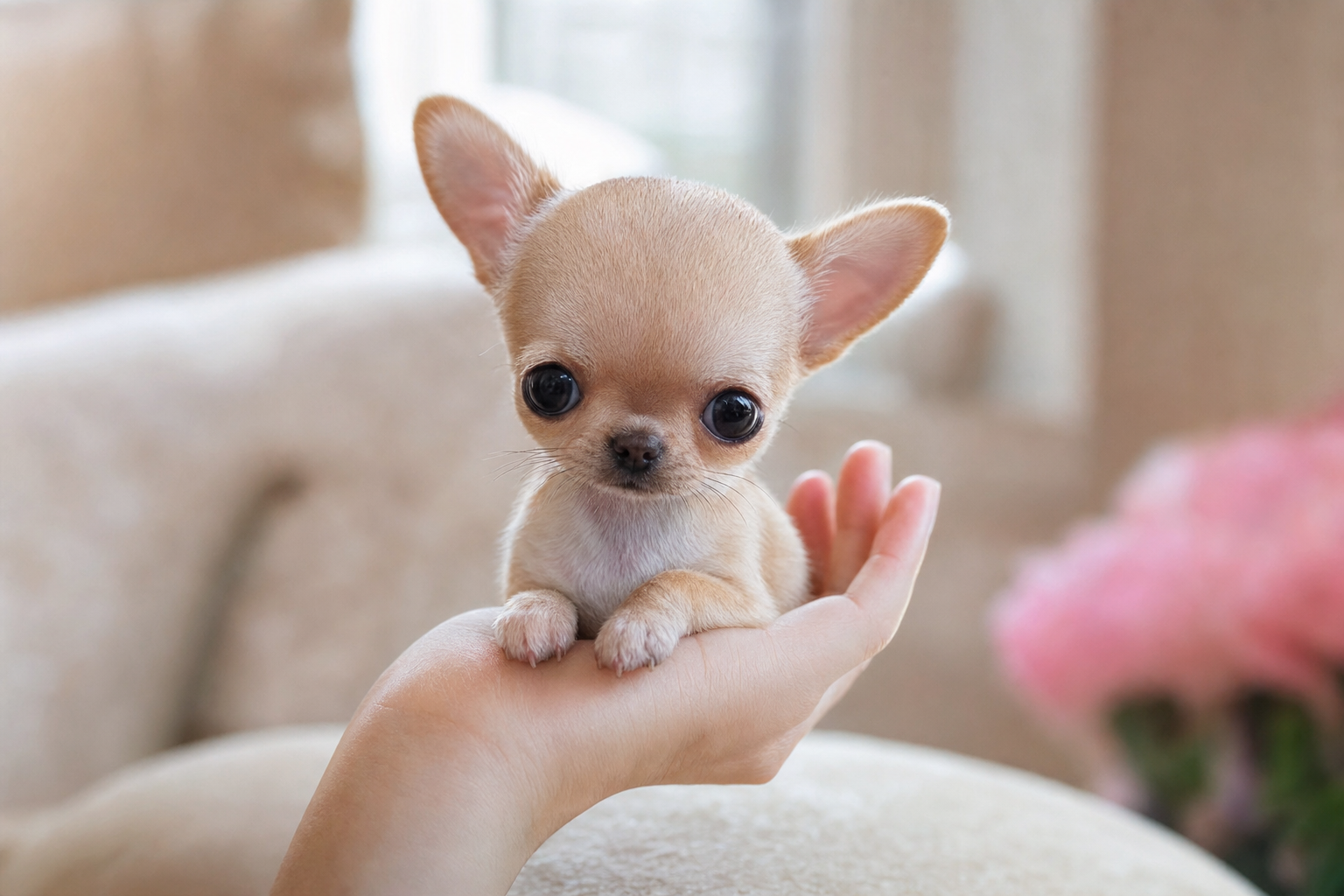
As a Chihuahua breeder since 2019, one of the topics I discuss most with new puppy families is the breed's deep capacity for love and attachment. These little dogs, especially the elegant Long Hair Chihuahuas, are bred for companionship. They want to be your tiny shadow, your confidant, your little sidekick in every adventure. But this wonderful trait has a flip side: a predisposition to separation anxiety.
Over the years, I've focused on raising well-socialized, confident puppies that are prepared for the transition to their new homes. I’ve helped families in cities all over California, including families looking for Chihuahua puppies in Fresno, learn how to nurture their puppy's independence from day one. Preventing separation anxiety isn't about loving your puppy less; it's about teaching them that being alone is safe and okay, leading to a more balanced and happy life for you both. You can see some of the beautiful, well-adjusted puppies from our program on our available Chihuahua puppies page.
This guide is a collection of my experience and best practices for preventing separation anxiety before it starts. It’s one of the most important things you can do for your new family member.
The Fresno Lifestyle and Your Chihuahua's Independence
Fresno offers a unique environment that can both help and hinder a Chihuahua's development. The city's mix of lifestyles, from apartment living in the Tower District to spacious homes with yards in Woodward Park, plays a role. In a smaller apartment, a puppy is almost always near you, which can foster over-dependence if not managed. In a larger home, a puppy might feel lost or isolated if not given a secure, designated space of their own.
Furthermore, Fresno's hot summers mean your Chihuahua will spend significant time indoors. While this protects them from the heat, it also means more constant contact with you. This is why proactive independence training is so crucial for Fresno families. Teaching your puppy to be comfortable alone, even when you're just in another room, builds a foundation of confidence that will serve them well throughout their life. This is a key part of our advice in my guide on how to bring home a Chihuahua puppy.
What Causes Separation Anxiety in Chihuahuas?
Understanding the triggers is the first step in prevention. Separation anxiety isn't your puppy being 'bad' or 'spiteful'—it's a genuine panic response. Common causes include:
- A Change in Routine: A sudden shift, like a family member returning to work after being home for weeks, can be very jarring for a puppy.
- Being Left Alone for the First Time: The transition from being with littermates and their mother 24/7 to being the only dog in a new home is a significant shock.
- Lack of Independence Training: If a puppy is never taught how to self-soothe or be comfortable alone, they never develop the skills to cope.
- Over-the-Top Greetings and Departures: Making a huge fuss when you leave or return reinforces the idea that your absence is a major, stressful event.
How to Prevent Separation Anxiety in Your New Puppy: A Breeder's Guide
Prevention starts the moment your puppy comes home. The goal is to build their confidence and teach them that your departures are temporary and non-threatening.
1. Make Crate Training Your Best Friend
I cannot stress this enough: a crate is not a cage or a punishment. It is your puppy's safe, personal den. Introduce it as a wonderful place filled with comfy blankets and special toys they only get inside the crate. Feed them meals in there with the door open. My article on crate training a Chihuahua puppy offers a step-by-step approach. A properly crate-trained puppy sees their crate as a sanctuary, which dramatically reduces anxiety when you're not there.
2. Practice Short, Calm Departures
Don't make your first time leaving an 8-hour workday. Start small. Put your puppy in their crate or a puppy-proofed room, give them a high-value chew toy, and leave the room for 30 seconds. Come back in calmly, without a big fuss. Gradually increase the duration: one minute, five minutes, twenty minutes. Practice leaving the house to get the mail or take out the trash. These mini-departures teach your puppy that you always come back.
3. Keep Hellos and Goodbyes Boring
This is the hardest part for many owners! When you leave, don't have a dramatic, guilt-ridden farewell. Just give them their special toy and leave. When you return, ignore them for the first few minutes. Put your keys down, take your coat off, and then calmly greet your puppy once they've settled down. This removes the emotional charge from your comings and goings.
4. Provide Mental Stimulation and Enrichment
A bored puppy is an anxious puppy. A tired and mentally stimulated puppy is a content puppy. Use puzzle feeders, treat-dispensing toys, or a frozen Kong filled with puppy-safe goodies to keep their mind occupied when you're gone. This redirects their focus from your absence to a fun, rewarding task.
5. Establish a Predictable Routine
Dogs thrive on routine. A predictable schedule for meals, potty breaks, walks, and alone time helps your puppy understand the rhythm of the day. When they know what to expect, they feel more secure. If you know your work schedule is about to change, start adjusting their routine a week or two in advance.
Recognizing the Signs of Separation Anxiety
It's important to distinguish between boredom and true panic. A puppy might chew on a shoe out of boredom, but a puppy with separation anxiety exhibits more distinct distress signals, often in combination:
- Excessive Vocalization: Barking, howling, or whining that begins shortly after you leave.
- Destructive Behavior: Frantic chewing or scratching, especially at doors and windows (exit points).
- Inappropriate Elimination: A well-potty-trained puppy having accidents only when left alone.
- Pacing or Restlessness: An inability to settle down when they sense you are preparing to leave.
- Excessive Drooling or Panting: Signs of physiological distress.
If you're ever concerned about the buying process or want to ensure you're working with a responsible breeder who prioritizes temperament, be sure to review our Chihuahua puppy scam checklist. And remember, California law provides specific protections for puppy buyers; you can learn more from our California puppy buyer law guide.
Frequently Asked Questions
At what age does separation anxiety start in Chihuahuas? Separation anxiety can begin as soon as a puppy settles into their new home, often between 8 to 12 weeks of age. It's triggered by the change in environment and routine. Proactive prevention from day one is the most effective approach.
Is crate training cruel for a tiny Chihuahua? When done correctly, crate training is not cruel; it's a vital tool for safety and security. The crate should be a comfortable den, never a punishment. For a tiny Chihuahua, it provides a safe space away from household dangers and is key to preventing separation anxiety.
Can a Chihuahua be left alone for 8 hours? Leaving an adult Chihuahua alone for 8 hours can be challenging for this companion-oriented breed and is not recommended for puppies, who need frequent potty breaks and meals. Adult Chihuahuas may adapt with training and enrichment, but many families arrange for a mid-day dog walker or daycare.
Does getting a second Chihuahua help with separation anxiety? Sometimes, but it's not a guaranteed solution. If the anxiety is about being separated from a specific person, a second dog may not help. In some cases, you could end up with two anxious dogs. It's better to address the root cause of the anxiety in your first puppy before adding another.
Ready to Welcome a Confident, Well-Adjusted Puppy?
Raising a Chihuahua that is both deeply bonded to you and confident on their own is one of the most rewarding experiences. It starts with a breeder who socializes their puppies from birth and continues with an owner who provides consistent, loving guidance. You can read about the experiences of families who have welcomed our puppies by visiting our past clients page.
If you are ready to begin your journey with a happy, healthy, and well-socialized Long Hair or Apple Head Chihuahua, I invite you to see our currently available puppies. For any questions about our process or our beautiful puppies, please contact us or email me directly at genasax@icloud.com.
Frequently asked questions
At what age does separation anxiety start in Chihuahuas?
Separation anxiety can begin as soon as a puppy settles into their new home, often between 8 to 12 weeks of age. It's triggered by the change in environment and routine. Proactive prevention from day one is the most effective approach.
Is crate training cruel for a tiny Chihuahua?
When done correctly, crate training is not cruel; it's a vital tool for safety and security. The crate should be a comfortable den, never a punishment. For a tiny Chihuahua, it provides a safe space away from household dangers and is key to preventing separation anxiety.
Can a Chihuahua be left alone for 8 hours?
Leaving an adult Chihuahua alone for 8 hours can be challenging for this companion-oriented breed and is not recommended for puppies, who need frequent potty breaks and meals. Adult Chihuahuas may adapt with training and enrichment, but many families arrange for a mid-day dog walker or daycare.
Does getting a second Chihuahua help with separation anxiety?
Sometimes, but it's not a guaranteed solution. If the anxiety is about being separated from a specific person, a second dog may not help. In some cases, you could end up with two anxious dogs. It's better to address the root cause of the anxiety in your first puppy before adding another.
Ready to meet your new puppy?
See currently available teacup puppies or reach out to join our waitlist.