Apple Head Chihuahua
Apple Head Chihuahua Puppy: First Airport Security Guide
By Yulia Sky · October 27, 2026
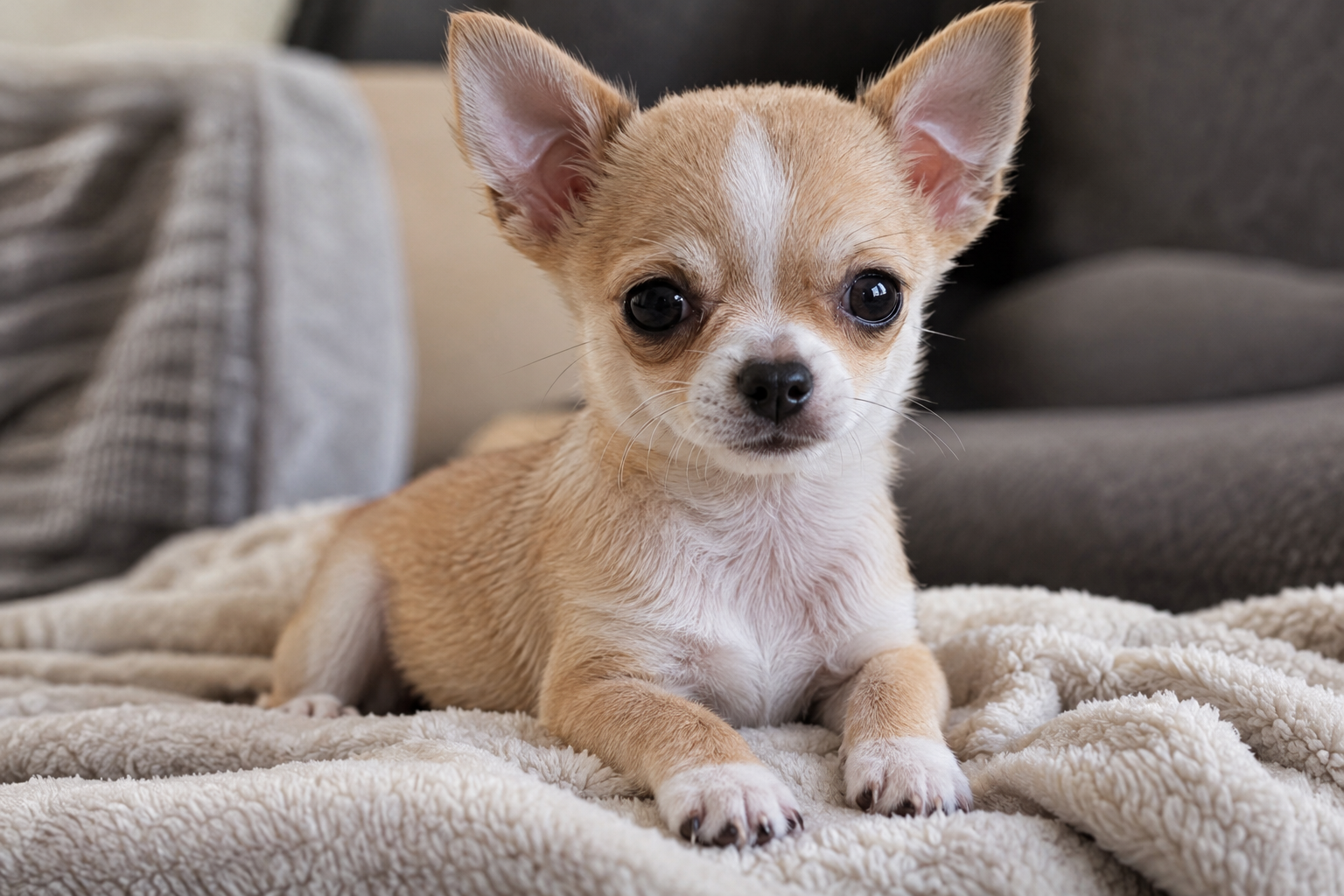
Apple Head Chihuahua Puppy: First Airport Security Guide
An Apple Head Chihuahua puppy’s first airport security experience should begin with carrier practice at home, a clear plan for screening, and permission to postpone the trip if the puppy is not ready. Being small enough to carry does not automatically mean a Chihuahua can comfortably manage queues, handling, confinement, and an unpredictable travel day.
I’m Yulia Sky, founder of World Class Puppies, established in 2019. My approach to Chihuahua puppy care puts the puppy’s daily needs ahead of the itinerary. This guide focuses on the airport transition before a first in-cabin flight—not frequent-flyer shortcuts or promises that every puppy can travel well.
If you are considering available Chihuahua puppies, discuss your travel plans before choosing a homecoming date. A puppy’s readiness, the airline’s requirements, and your own veterinarian’s assessment all matter more than a convenient departure.
Is my Apple Head Chihuahua puppy ready for airport security?
Readiness means more than meeting an airline’s minimum age requirement. Your puppy should be able to rest in an appropriate carrier, tolerate gentle handling, and maintain a dependable daily routine; your veterinarian should assess whether travel is appropriate for that individual puppy. If those pieces are missing, changing the trip is safer than trying to rush preparation.
Apple Head Chihuahua puppies are individuals. Head shape does not tell you how a puppy will respond to rolling luggage, loud announcements, unfamiliar surfaces, or being lifted out of a carrier.
Before booking, consider these practical observations:
- Does the puppy enter the carrier without being pushed inside?
- Can the puppy settle with the carrier closed during gentle practice?
- Does handling remain comfortable when another adult stands nearby?
- Is the puppy eating normally and behaving as expected at home?
- Can you manage luggage without sacrificing secure, attentive handling?
These observations are useful planning information, not a medical clearance checklist. An Apple Head Chihuahua health guide cannot determine fitness to fly remotely. Share changes in appetite, energy, breathing, or behavior with your own veterinarian before departure.
What should I confirm before booking my puppy’s first flight?
Confirm the operating airline’s current in-cabin rules, pet reservation process, minimum age, document requirements, and carrier dimensions for the actual aircraft. Then check the screening authority’s procedures at your departure airport and any connection. Do not assume that a previous flight, another passenger’s experience, or a carrier’s marketing label establishes eligibility.
Save the relevant policies offline and keep the pet reservation confirmation accessible. If different airlines operate different segments, verify each one separately. A booking that accepts a passenger does not necessarily confirm space for a puppy.
Ask the airline what happens if the aircraft changes, your connection is missed, or the replacement flight cannot accommodate the carrier. Those questions help you decide whether the itinerary is workable before travel becomes urgent.
Useful Chihuahua breeder questions include: What carrier exposure has this puppy had? What does the current daily routine look like? What handling is familiar? Ask for factual answers rather than a general assurance that the puppy is easygoing. If you are still evaluating a seller, use the Chihuahua puppy scam checklist alongside those conversations.
For acquisition budgeting, the Chihuahua puppy price guide is separate from airline charges. Each available puppy is individually priced; check the listings rather than assuming one puppy’s price or travel arrangements apply to another.
How do I prepare a Chihuahua puppy for the airport carrier?
Start with an open carrier in a quiet, familiar space, then introduce brief closures and gentle movement only while your puppy remains comfortable. Build familiarity with the separate parts of travel instead of recreating an entire airport day. Persistent panic, frantic escape attempts, or inability to settle are reasons to step back, not extend the session.
A useful progression is:
- Explore: Let the puppy investigate the open carrier on a stable floor.
- Rest: Make the interior inviting with simple, washable bedding.
- Close: Briefly close the carrier while you remain nearby.
- Move: Introduce a careful lift and short carry without swinging.
- Add context: Practice around mild household activity before busier surroundings.
There is no universal number of practice days. The goal is a puppy who can settle, not a puppy who has merely endured a timer. My guide to gentle Chihuahua crate training explains related foundations, although a travel carrier needs its own introduction.
Check usable interior space, not only the measurements printed on the packaging. The puppy needs natural posture and the room required by the airline’s policy. Keep ventilation clear and remove dangling accessories that could catch.
If you have been searching for teacup Chihuahua puppies, remember that “teacup,” “mini,” “micro,” and “tiny” are informal marketing terms, not official AKC varieties. The AKC Chihuahua standard describes one breed, an adult weight not exceeding 6 pounds, and smooth and long coats. A marketing label is not evidence of travel readiness or guaranteed adult size.
How does airport security screening work with a Chihuahua puppy?
Procedures depend on the screening authority, so verify the current instructions before departure. At TSA checkpoints, the pet is removed from the carrier, the empty carrier is screened, and the pet must never go through the X-ray machine. Follow the officer’s directions and request private screening if removing your puppy in the public checkpoint creates an escape concern.
Read the TSA guidance for traveling with small pets rather than relying on an old travel video. Screening outside TSA jurisdiction may differ.
Before entering the queue, organize your belongings so you will not need to juggle a phone, loose documents, and a puppy at the same time. If traveling with another adult, agree who handles luggage and who remains responsible for the Chihuahua.
Tell the officer you have a puppy before opening the carrier. Ask where and when to remove the puppy and explain any containment concern promptly. Do not open the zipper while distracted or assume you can improvise a secure handoff.
Support the puppy’s body securely rather than lifting by the collar or front legs. A properly fitted harness and leash may help with containment, but follow screening instructions about equipment. Never attach the leash to luggage or leave the puppy unattended while collecting belongings.
After screening, resecure the puppy in the carrier as directed before reorganizing everything else. Check every zipper and fastener deliberately. A calm pause is more useful than rushing toward the gate with a partly open carrier.
How can I keep my Chihuahua puppy comfortable during airport delays?
Choose a quieter waiting area, protect ventilation, and keep the puppy’s familiar care routine as consistent as conditions allow. Carry accessible supplies for food, water, and cleanup, with an individualized contingency plan discussed with your veterinarian. A delay that makes essential care impractical may be a reason not to continue.
For Apple Head Chihuahua care, think in terms of needs rather than entertainment. Constant greetings, repeated carrier openings, and walking around a crowded terminal can add stimulation without helping the puppy rest.
Keep a compact care pouch with:
- The puppy’s familiar food and usual measuring tool.
- Water and a suitable small bowl, following security rules.
- Spare flat bedding, absorbent liners, and waste bags.
- A fitted harness and leash accessible for permitted use.
- Required records and veterinary contact information.
Check pet relief locations ahead of time. Shared relief areas may pose exposure concerns for a young puppy; discuss those concerns with your veterinarian before travel. An absorbent carrier liner is a backup for accidents, not a reason to leave a puppy wet or skip suitable relief opportunities.
Do not withhold food or water simply to avoid an accident. Feeding and hydration planning should account for your puppy’s age, health, routine, and total door-to-door journey. If appetite changes, the missed-meal homecoming safety plan offers related questions to discuss with your veterinarian, not an airport treatment protocol.
Read behavior without assigning a personality label
Apple Head Chihuahua temperament varies, and a quiet puppy is not necessarily a comfortable puppy. Look at the whole picture: posture, responsiveness, breathing, movement, and whether the puppy can settle. Trembling or vocalizing can have different causes, so avoid diagnosing the problem from one sign.
Reduce avoidable stimulation first. Move away from loud speakers when practical, keep the carrier stable, and decline unnecessary handling. Do not cover ventilation to create a darker hiding place.
When considering an Apple Head Chihuahua for families, give children a clear airport role: stay close, keep voices gentle, and let the responsible adult manage the carrier. Security lines are not the place for children to practice holding a nervous puppy.
The same restraint applies after arrival. My guide to calm first home visitors explains why a quiet introduction is often more useful than an immediate welcome gathering.
Decide your stop points before departure
A flight reservation should not make the decision for you. Before travel, identify circumstances that would lead you to pause, seek veterinary help, or abandon the itinerary. These might include damaged carrier closures, an unworkable replacement flight, or a puppy who cannot be safely contained.
Difficulty breathing, collapse, seizures, or markedly reduced responsiveness require urgent veterinary attention—not a boarding attempt. New vomiting, diarrhea, unusual weakness, or refusal to eat also warrant prompt veterinary guidance, especially in a young Chihuahua. Do not assume those changes are simply travel nerves.
Do not use sedatives, calming supplements, or other products solely because someone recommends them online. Discuss any product with your own veterinarian before travel. This article does not prescribe medication, feeding intervals, vaccination timing, or treatment.
Frequently asked questions
Should I put my Chihuahua puppy’s name on the outside of the carrier?
A discreet tag with current contact details is more useful than a large decorative name label. Keep a recent photo and identifying information accessible offline as a backup.
Can a familiar blanket help my Chihuahua puppy at the airport?
A familiar, flat piece of bedding may make the carrier less unfamiliar. Avoid bulky material that reduces space or blocks ventilation, and pack a clean replacement.
Should strangers greet my Chihuahua puppy in the terminal?
You can politely decline, particularly when your puppy is resting or already processing a busy environment. Airport waiting does not need to become a socialization session.
What if my Chihuahua puppy chews the carrier mesh?
Persistent chewing calls for reassessing comfort and carrier suitability. Stop practice before damage becomes an escape risk and seek individualized help if it continues.
Plan the journey around the puppy
The most useful first-flight preparation is ordinary and repeatable: comfortable containment, thoughtful handling, verified rules, and a realistic backup plan. I would rather see a travel date change than have a puppy’s needs squeezed into an unsuitable itinerary.
For published family experiences, you can see our past clients and their puppies; those experiences do not guarantee another puppy’s travel response. If you are planning a homecoming, explore available Chihuahua puppies and contact us to discuss readiness before making arrangements. Readers using our regional hub can also visit Los Angeles Chihuahua puppies.
Educational disclaimer: This article provides general educational information and is not veterinary advice, diagnosis, or treatment. Consult your own veterinarian about your Chihuahua’s health, travel readiness, feeding, medications, and individual care needs. Seek urgent veterinary care for concerning symptoms.
Frequently asked questions
Should I put my Chihuahua puppy’s name on the outside of the carrier?
A discreet identification tag with your current contact details is more useful than a large decorative name label. Keep a recent puppy photo and identifying information accessible on your phone, with an offline backup.
Can a familiar blanket help my Chihuahua puppy at the airport?
A familiar, flat piece of bedding may make the carrier feel less unfamiliar. Avoid bulky blankets that reduce usable space or cover ventilation, and bring a clean replacement in case the bedding becomes wet.
Should strangers greet my Chihuahua puppy in the terminal?
You can politely decline greetings, especially when your puppy is resting or already watching a busy environment. Airport waiting time does not need to become a socialization session.
What if my Chihuahua puppy chews the carrier mesh?
Persistent chewing may indicate that the puppy is not comfortable with confinement or that the carrier is unsuitable. Stop practice before damage creates an escape risk, reassess the setup, and seek individualized help if the behavior continues.
Ready to meet your new puppy?
See currently available teacup puppies or reach out to join our waitlist.