Chihuahua Training News: September 2026 Focus on Positive Methods
Tuesday, September 8, 2026 · World Class Puppies Newsroom
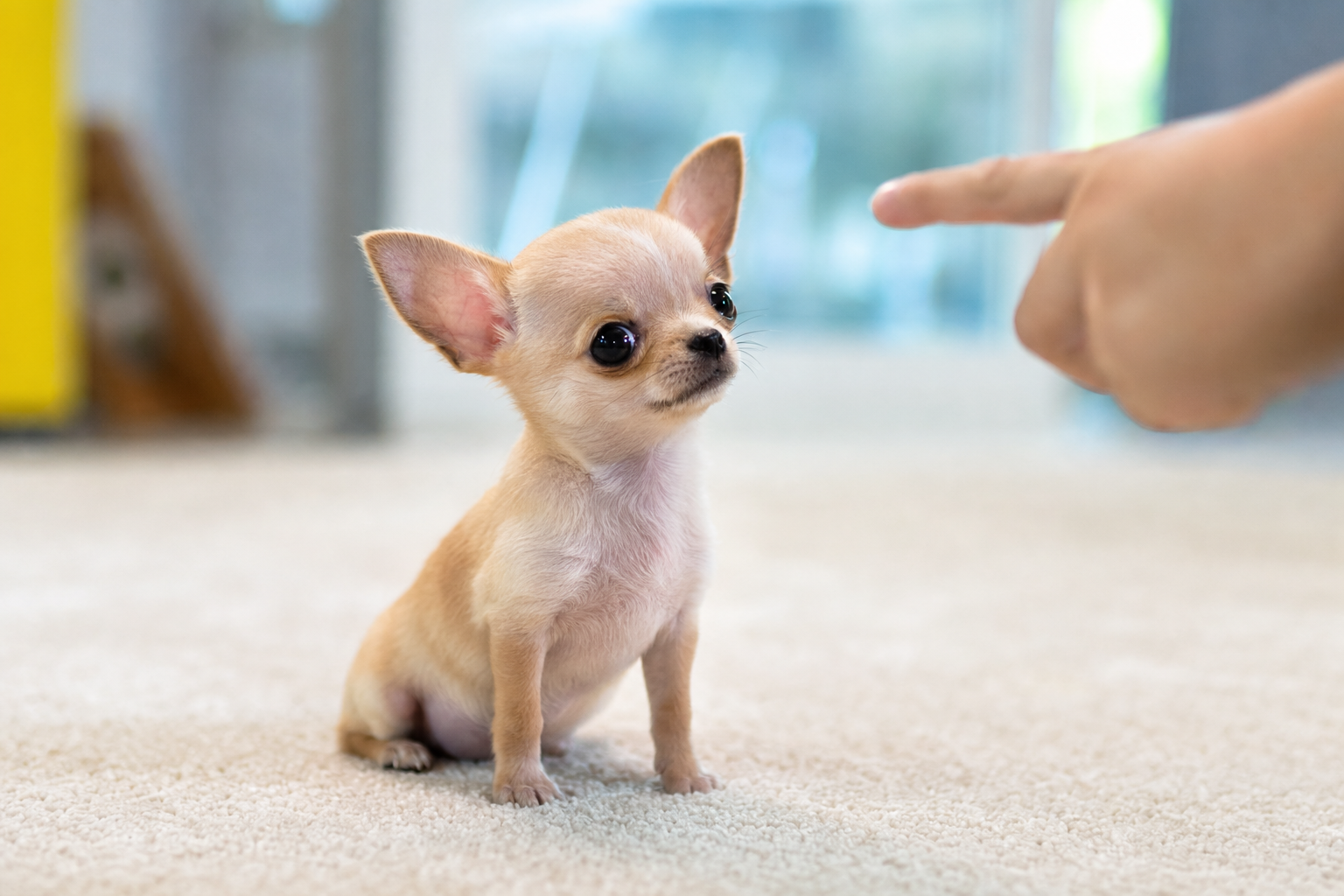
September 7, 2026 — The latest consensus from veterinary behaviorists and top Chihuahua breeders this month is a resounding endorsement of positive, relationship-based training methods, moving away from outdated punitive techniques that can harm a Chihuahua's sensitive temperament.
What's new today
This September, dog training discourse is centered on the science of learning and canine cognition. For the Chihuahua, a breed known for its intelligence and strong bond with its owner, this means training is viewed less as a set of commands and more as a form of communication. Recent guidance from veterinary and breeding communities emphasizes that Chihuahuas, including Teacup and Apple Head varieties, respond best to training that builds trust and confidence. This is a departure from older, dominance-based theories that can create anxiety and resistance in such a small, sensitive dog.
The current focus is on proactive, game-based learning. Instead of correcting bad behavior after it happens, the goal is to set the puppy up for success. For potty training, this means a rigid schedule and constant positive reinforcement. For crate training, it involves making the crate a desirable, safe den rather than a place of punishment. Socialization is also being redefined as carefully curated positive experiences, not just exposure to new things. The takeaway for new owners of a Chihuahua puppy is clear: your relationship is the foundation of all successful training.
This approach is particularly crucial for owners who have just brought home a new puppy. Reputable breeders begin this process early, but it's the owner's responsibility to continue it seamlessly. The first few weeks are critical for establishing routines that will last a lifetime. Whether you have a long hair Chihuahua or a miniature Chihuahua, the principles of patience, consistency, and positive rewards are universal.
Key takeaways
- Positive Reinforcement is King: Modern training focuses on rewarding desired behaviors with treats, praise, or toys, which is highly effective for intelligent Chihuahuas.
- Consistency Over Intensity: Short, frequent training sessions (5-10 minutes) are more effective than long, infrequent ones. A consistent routine is essential for potty and crate training.
- Socialization is Curated: The goal is quality over quantity. Introduce your Chihuahua puppy to new sights, sounds, and other dogs in calm, controlled, and positive settings.
- Crate as a Sanctuary: Leading advice is to frame the crate as a safe, personal space. Never use it for punishment. Associate it with high-value treats and comfort.
- Leash Work is a Partnership: Use a lightweight harness instead of a collar to protect a Chihuahua's delicate neck. Keep the leash loose and teach your puppy to walk with you, not against you.
- Understand Their Size: Teacup Chihuahua puppies have tiny bladders and metabolisms. Potty breaks need to be more frequent, sometimes as often as every 30-60 minutes when they are young and active.
What it means for Chihuahua owners
For anyone with a new chihuahua puppy, this means adopting the mindset of a teacher, not a drill sergeant. Your primary tools are patience and high-value treats. When potty training, celebrate every success outdoors with enthusiasm and a reward. When your puppy has an accident inside, don't scold; simply clean it with an enzymatic cleaner and resolve to take them out sooner next time. Your goal is to build a positive association with going potty outside.
For socialization, it means seeking out calm, vaccinated adult dogs and controlled puppy classes. Avoid chaotic dog parks where a tiny mini chihuahua could easily be overwhelmed or frightened. A negative experience can create lifelong fear and reactivity. Focus on creating a portfolio of positive memories that build a confident, well-adjusted adult dog.
How do I find a reputable Chihuahua breeder near me?
A reputable breeder is focused on the health, temperament, and betterment of the breed. Look for breeders who are transparent, provide a comprehensive health guarantee, and are happy to answer all your questions. They should offer lifetime support and want to see proof of a safe and loving home environment. You can often start your search on the AKC Marketplace or through specialized breeder directories, but always do your own thorough vetting.
What should I ask a Chihuahua breeder before buying?
Before you buy a chihuahua puppy, ask critical questions to ensure you're working with a responsible professional. Key questions include:
- What socialization have the puppies received so far?
- Can I see the puppies' parents and their living environment (via video call if not in person)?
- What health screenings are performed on the parents?
- What does your health guarantee cover? (You can also review our
/health-guaranteepage). - What food are the puppies currently eating?
How do I know a Chihuahua breeder is legitimate?
A legitimate breeder will prioritize the puppy's welfare over a quick sale. Red flags include pressure to make a quick decision, a lack of questions about your own home and lifestyle, an unwillingness to show you the puppy's environment, or offering multiple different breeds. A legitimate breeder, whether they specialize in apple head chihuahua for sale or teacup chihuahua puppies, will act as a resource and partner for the life of your dog.
Expert tips from our breeder
- Start Immediately: Training begins the moment your Chihuahua puppy comes home. Establish a consistent potty and feeding schedule from day one.
- Use High-Value Rewards: For a Chihuahua, a tiny piece of boiled chicken or cheese can be a powerful motivator. Keep treats small to avoid weight gain.
- Keep Sessions Short & Fun: A Chihuahua's attention span is short. Aim for multiple 5-minute training sessions throughout the day to work on commands like 'sit', 'stay', and 'come'.
- Make the Crate a Palace: Furnish the crate with the softest bedding and a special toy that is only available in the crate. Feed meals in the crate to build a positive association.
- Socialize Safely: Before vaccinations are complete, carry your puppy to new places to experience the sights and sounds. Arrange playdates with known, healthy, and gentle dogs in a clean environment.
Sources & further reading
- American Kennel Club (AKC) - Training Resources
- American Veterinary Medical Association (AVMA) - Your Pet's Behavior
To see our available puppies or to discuss which puppy is right for you, please see our /puppies page or /contact us directly.