Chihuahua Training Reset: August 2026 Guide to Potty & Crate Success
Sunday, August 16, 2026 · World Class Puppies Newsroom
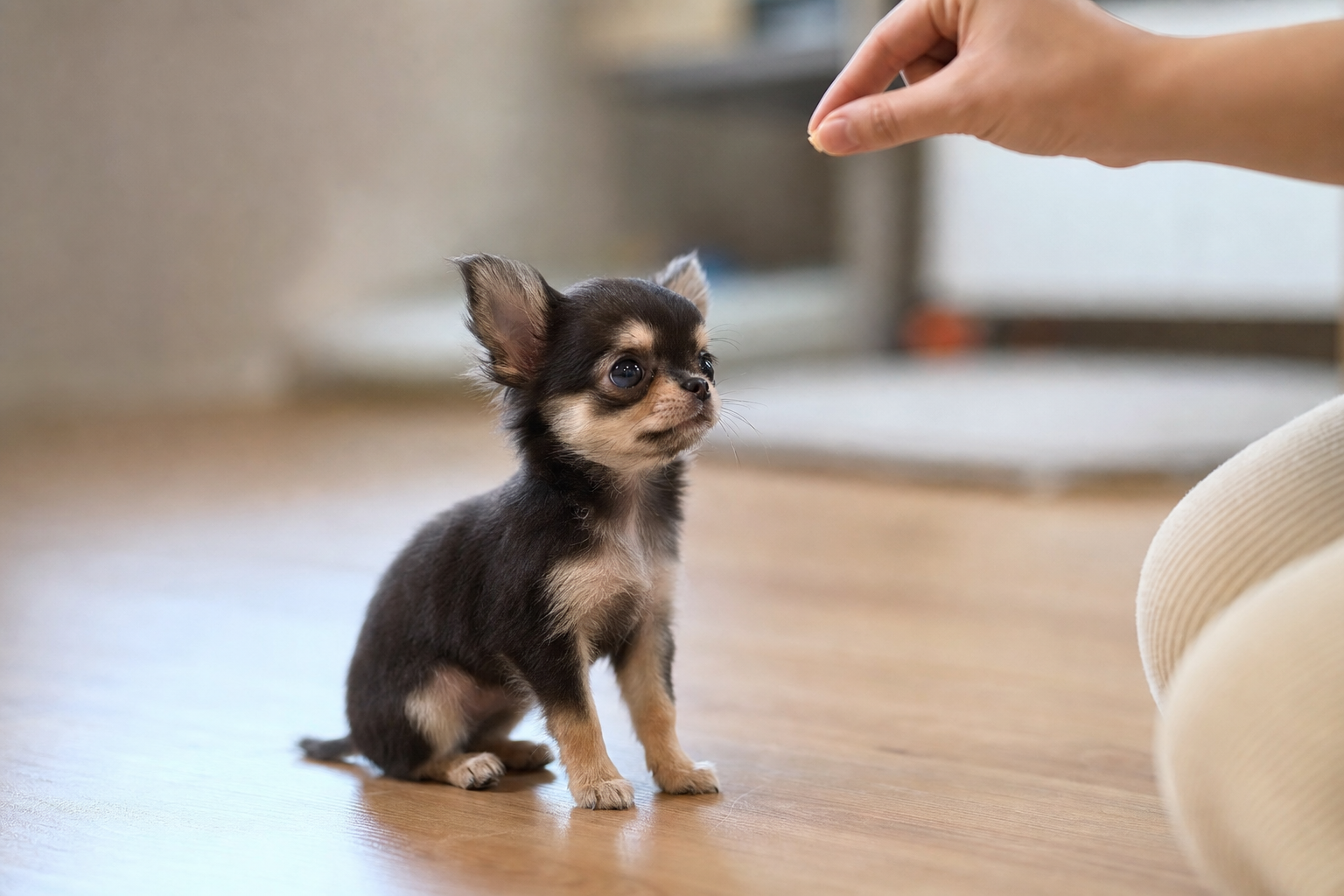
Chihuahua Training Fundamentals: An August 2026 Update
LOS ANGELES — As summer routines shift in August 2026, leading veterinary behaviorists and top Chihuahua breeders are urging owners to implement a "training reset," focusing on positive reinforcement for potty, crate, and leash-walking fundamentals.
What's new today
With the end of summer approaching, many households experience a change in daily rhythms. According to recent guidance from veterinary behaviorists, this seasonal transition presents a perfect opportunity to establish or reinforce solid training habits for your Chihuahua. The consensus from organizations like the American Veterinary Society of Animal Behavior (AVSAB) is clearer than ever: positive reinforcement is the most effective and humane method for training, especially for intelligent and sensitive breeds like the Chihuahua. This approach moves away from outdated punitive methods that can cause fear and anxiety, instead focusing on rewarding desired behaviors to build a strong, trusting bond.
This month, breeders and trainers are emphasizing a 'back-to-basics' approach. For a new Chihuahua puppy, this means creating a structured and predictable environment from day one. For adult Chihuahuas who may have developed bad habits, it means patiently re-teaching foundational skills. The focus is on consistency, patience, and understanding the unique needs of this tiny breed—from their small bladders that necessitate frequent potty breaks to their fragile tracheas that demand a harness instead of a collar for walks.
Whether you are house-training a new Teacup Chihuahua or working on leash manners with a spirited Long Hair Chihuahua, the core principles remain the same. The latest expert advice encourages owners to view training not as a chore, but as a continuous conversation that deepens the connection with their companion. By implementing these modern, science-backed strategies, owners can ensure their Chihuahua is a well-behaved and happy member of the family.
Key takeaways
- Positive Reinforcement is the Gold Standard: Vets and the AKC agree that rewarding good behavior is far more effective for Chihuahuas than punishment.
- Consistency Over Intensity: A predictable schedule for potty breaks, feeding, and crate time is the fastest path to success for a Chihuahua puppy.
- Crate as a Sanctuary: Modern crate training frames the crate as a safe, private den—never as a tool for punishment.
- Harness, Not Collar: Due to the risk of tracheal collapse in small breeds, a well-fitting harness is non-negotiable for walking any Chihuahua, from a Miniature Chihuahua to a standard size.
- Early Socialization is Key: The period between 3 and 16 weeks is critical. Safe, positive exposure to new sights, sounds, and gentle dogs is essential for a well-adjusted adult.
- Breeder's Role: Reputable Chihuahua breeders begin socialization and foundational training long before a puppy goes to its new home.
What it means for Chihuahua owners
Adopting these modern training principles means shifting your mindset. Instead of correcting your Chihuahua for having an accident, you focus on creating a strict potty schedule and rewarding them enthusiastically when they go in the right spot. A simple schedule of taking your puppy out first thing in the morning, last thing at night, and after every meal, nap, and play session will prevent most accidents before they happen.
When it comes to crate training, this means making the crate the best place in the house. Feed your Chihuahua puppy their meals in the crate, and provide special, high-value toys (like a frozen KONG) that they only get during crate time. Start with very short durations and gradually increase the time as they become comfortable. This transforms the crate from a cage into a cherished personal space.
For socialization, it's about quality over quantity. Avoid overwhelming your tiny Teacup Chihuahua at a busy dog park. Instead, arrange controlled playdates with calm, vaccinated dogs. Enroll in a puppy class led by a certified trainer who uses positive reinforcement. These efforts pay massive dividends in preventing fear-based aggression and anxiety later in life.
Answering Your Top Questions
What is the difference between an apple head and deer head Chihuahua?
The primary difference is the skull shape. An Apple Head Chihuahua has a round, domed head with a 90-degree angle where the muzzle meets the forehead, which is the AKC breed standard. A Deer Head Chihuahua has a more sloped forehead and longer snout, resembling a young deer. Both can be wonderful pets, but those seeking show-quality dogs or the classic look often search for an apple head chihuahua for sale from specialized breeders.
How do I find a reputable Chihuahua breeder near me?
Start by searching the AKC Marketplace or contacting the Chihuahua Club of America for member referrals. A reputable breeder will health-test their breeding dogs, provide a clean and enriching environment, be transparent about their practices, and ask you many questions to ensure you're a good fit. They will not have dozens of chihuahua puppies for sale at all times but will have carefully planned litters.
How do I know a Chihuahua breeder is legitimate?
A legitimate breeder prioritizes the health and well-being of their dogs above all else. They will provide a health guarantee, welcome you to see the puppy's living conditions and meet at least one parent, and offer lifetime support. Be wary of any seller who pressures you into a quick decision, refuses to show you where the puppies are raised, or cannot provide veterinary records and genetic health clearances.
Expert tips from our breeder
- Potty Precision: "For an 8-week-old Chihuahua puppy, set a timer for every 60-90 minutes. Take them to the same designated potty spot and use a consistent cue like 'Go potty.' When they do, reward them immediately with a high-value treat and praise."
- Crate Enthusiasm: "Make the crate irresistible. Toss in small pieces of boiled chicken or a special chew toy. Never force your puppy inside. Let them explore it on their own terms, rewarding any positive investigation."
- Leash Introduction: "Start by letting your
miniature chihuahuawear their new harness around the house for short periods. Once they are comfortable, attach the leash and let them drag it around under supervision. This prevents the leash from being a source of fear." - Recall Foundation: "Begin practicing 'come' in a quiet room. Use an excited tone of voice and reward your puppy with a fantastic treat the moment they get to you. Keep sessions short and fun, only a few minutes at a time."
Sources & further reading
- Positive Reinforcement in Dog Training - AVSAB
- Chihuahua Breed Standard & Temperament - AKC
- Crate Training Your Dog - The Humane Society of the United States
- A Vet's Guide to Puppy Socialization - Veterinary Practice News
Ready to start your journey with a well-bred Chihuahua? See our available puppies at /puppies or /contact our team today.
Educational information only. This briefing is general Chihuahua owner education from the World Class Puppies newsroom. It is not veterinary advice and has not been reviewed by a veterinarian. Care, diet and treatment decisions depend on the individual dog — please follow the guidance of your own licensed veterinarian.