Chihuahua Training Trends for September 2026: Vets Urge Positivity
Wednesday, September 23, 2026 · World Class Puppies Newsroom
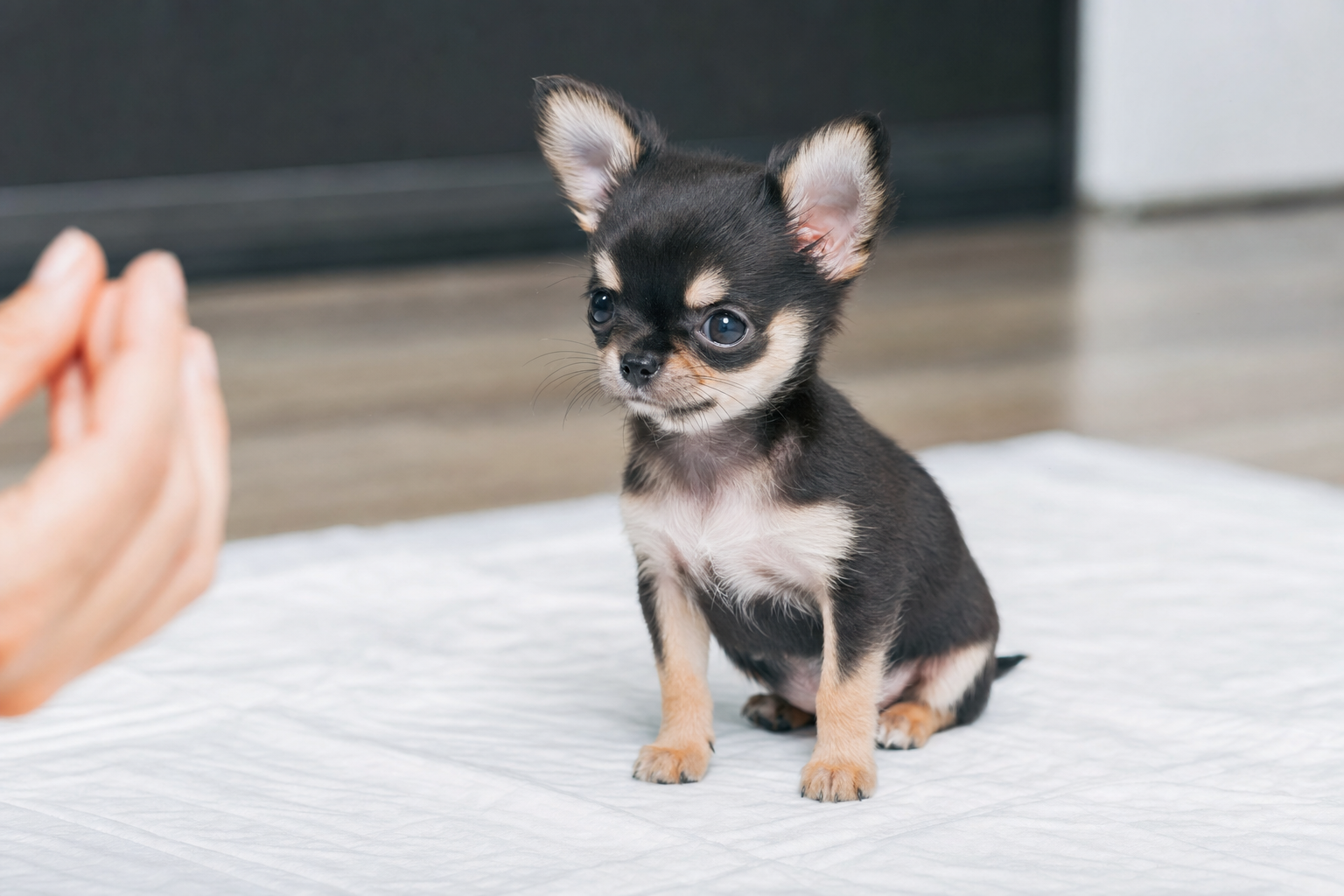
A new consensus around positive reinforcement is reshaping how experts advise training Chihuahuas, with a strong emphasis this September on patience and reward-based methods to build confidence in these tiny, intelligent dogs.
What's new today
As the fall season begins, a clear trend is emerging across veterinary publications and elite breeder communities: a decisive shift toward positive reinforcement for training Chihuahuas. For years, the breed's small stature led to inconsistent training approaches. However, guidance from sources like the American Veterinary Society of Animal Behavior (AVSAB) now strongly advocates for methods that build trust and avoid fear, which is particularly critical for a sensitive breed like the Chihuahua.
This modern approach discards punitive measures like scolding or physical corrections, which experts now understand can lead to anxiety and reactivity. Instead, the focus is on rewarding desired behaviors—whether in potty training, crate acclimation, or leash walking. For a Chihuahua puppy, this means using high-value treats, praise, and gentle encouragement to shape behavior. The goal is to make training a positive, engaging game rather than a stressful chore. This is especially important for tiny dogs like the Teacup Chihuahua or Apple Head Chihuahua, whose delicate frames and personalities thrive on gentle handling.
Furthermore, recent breeder insights emphasize the concept of "proactive socialization." This involves creating positive, controlled introductions to new sights, sounds, and people from a very young age. Rather than simply exposing a puppy to the world, the new guidance is to curate these experiences to ensure the Chihuahua puppy feels safe and confident, preventing the development of fear-based aggression later in life.
Key takeaways
- Positive Reinforcement is the Gold Standard: Leading veterinary behaviorists and breeders agree that reward-based training is the most effective and humane method for Chihuahuas.
- Consistency Over Intensity: Short, frequent, and consistent training sessions (5-10 minutes) are more effective than long, frustrating ones.
- Crate as a Sanctuary: Modern crate training frames the crate as a safe, private den—not a place for punishment.
- Early Socialization is Crucial: Carefully managed, positive exposure to new experiences between 8 and 16 weeks is vital for a well-adjusted adult Chihuahua.
- Size Matters: Training techniques must be adapted for a Miniature Chihuahua's physical and psychological needs, avoiding overwhelming or intimidating them.
- Verbal Cues and Patience: Chihuahuas are intelligent and respond well to clear verbal cues paired with rewards. Patience is non-negotiable.
What it means for Chihuahua owners
For new and prospective owners of a Chihuahua puppy, this expert consensus provides a clear roadmap. The first step is to abandon any outdated notions of being a stern "pack leader." Your role is to be a patient teacher and a reliable source of security. When potty training, this means celebrating successes with enthusiasm and treats, and managing accidents calmly by cleaning them up without scolding the puppy.
This approach extends to all aspects of life with your dog. When teaching commands like "sit" or "stay," use a tasty, pea-sized treat to lure them into position and reward them instantly. For leash training, focus on rewarding loose-leash walking rather than yanking on the collar. The intelligence of the breed, from the classic Apple Head Chihuahua to the long-haired variety, means they learn quickly when they understand what you want and are motivated to cooperate.
This is also the time to find a network of support that aligns with this philosophy. Seek out veterinarians and trainers who specialize in positive methods. When looking at Chihuahua breeders, ask about their socialization protocols and how they begin foundation training before the puppies even go home.
How do I find a reputable Chihuahua breeder near me?
A reputable breeder is transparent, knowledgeable, and prioritizes the health and well-being of their dogs. Look for breeders with a professional website, clear communication, and a willingness to answer all your questions. They should provide a comprehensive health guarantee, have a history of past clients, and be able to discuss the specific temperaments and needs of their Chihuahua puppies for sale.
What should I ask a Chihuahua breeder before buying?
Before you buy a Chihuahua puppy, ask about health screening for the parents, the socialization experiences the puppy has had, and their feeding and care routine. Inquire about their health guarantee, the puppy's vaccination and deworming status, and what support they offer after you take your puppy home. A quality breeder will welcome these questions and often provide a puppy starter kit.
Can a Chihuahua puppy be shipped or hand-delivered to my city?
Yes, premier breeders understand that their clients are located nationwide and offer specialized, safe transportation options. This often involves a dedicated flight nanny who accompanies the puppy in-cabin to ensure a stress-free journey. Services like these make it possible to source a high-quality Teacup Chihuahua or Micro Teacup Chihuahua from a top breeder, whether you are looking for Chihuahuas in Los Angeles, Miami, or New York.
Expert tips from our breeder
- Use High-Value Rewards: For a food-motivated Chihuahua, use tiny pieces of boiled chicken or a special training treat. The reward must be exciting enough to keep their focus.
- Keep Sessions Short & Sweet: A Chihuahua puppy's attention span is short. Stick to 5-minute training sessions two or three times a day to keep them engaged and prevent frustration.
- Invest in a Playpen: A playpen is an essential management tool for potty training and preventing destructive behavior. It gives the puppy a safe space to be when you can't supervise them directly.
- Socialize Safely: Before your puppy is fully vaccinated, you can still socialize them. Carry them with you on errands, have visitors come to the house, and let them experience different household noises. Decide on a full socialization plan with your own veterinarian.
- Start Leash Training Indoors: Get your Chihuahua puppy comfortable with a lightweight harness and leash inside the house first. Let them drag the leash around (under supervision) and reward them for ignoring it before you venture outside.
This article is for educational purposes only. Always consult with your personal veterinarian for medical advice and with a professional trainer for behavioral guidance tailored to your specific Chihuahua.
Sources & further reading
- AKC Training Resources for Small Breeds
- American Veterinary Society of Animal Behavior (AVSAB) Position Statements
- The Humane Society of the United States: Positive Reinforcement Training
See our available Chihuahua puppies at /puppies or contact us at /contact with any questions.