Chihuahua Training Mastery: The Fall 2026 Positive Method Briefing
Wednesday, September 30, 2026 · World Class Puppies Newsroom
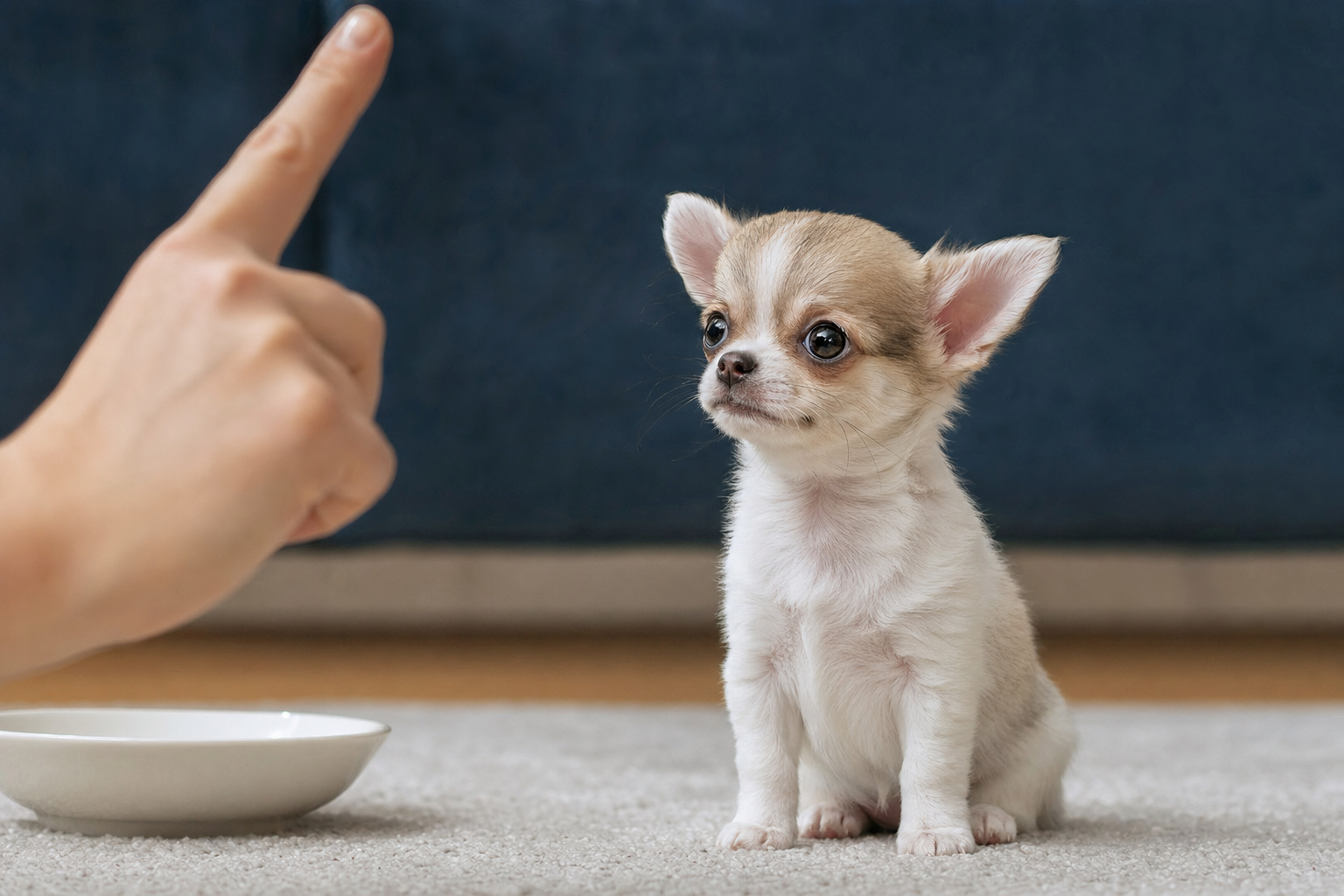
September 30, 2026 — As fall begins, leading Chihuahua breeders and veterinary behaviorists are doubling down on positive reinforcement methods, moving decisively away from outdated punitive techniques for training these intelligent and sensitive dogs.
What's new today
The current training landscape for Chihuahuas emphasizes a science-backed, rewards-based approach. Gone are the days of scolding or using harsh corrections, which veterinary sources confirm can lead to fear, anxiety, and aggression in small breeds. Instead, the focus this season is on building a strong, positive bond through clear communication and motivation. This is especially critical for foundational skills like potty training, crate training, and socialization.
Recent guidance from animal behavior experts highlights that Chihuahuas, including Teacup and Apple Head varieties, are highly attuned to their owner's tone and body language. They thrive on praise, treats, and play as rewards for desired behaviors. This approach not only speeds up the learning process for commands like 'sit,' 'stay,' and 'come,' but also fosters a more confident and well-adjusted companion. The emphasis is on preventing problem behaviors before they start by creating a predictable and positive environment, a key theme in puppy development literature this year.
Socialization continues to be a top priority. The consensus is that the critical window for socializing a Chihuahua puppy is between 3 and 16 weeks of age. This fall, trainers are recommending structured, positive exposure to a wide variety of sights, sounds, people, and other well-behaved dogs. This helps prevent the fear-based reactivity that Chihuahuas can sometimes develop, ensuring they grow into calm and adaptable adults, whether living in a quiet suburb or a busy city like Los Angeles.
Key takeaways
- Positive Reinforcement is Standard: The most effective training for a Chihuahua puppy involves rewarding good behavior with treats, praise, or toys, not punishing mistakes.
- Consistency is Crucial: All members of the household should use the same commands and rules to avoid confusing the puppy. A consistent daily routine for feeding, walking, and potty breaks is essential.
- Crate as a Sanctuary: Modern crate training frames the crate as a safe, private den—never as a form of punishment. This helps with house training and gives the dog a secure space.
- Early Socialization Prevents Fear: Exposing your Chihuahua puppy to new experiences in a controlled and positive way during their first few months is vital for their long-term behavioral health.
- Short, Fun Sessions Work Best: Chihuahuas have short attention spans. Keep training sessions brief (5-10 minutes) and engaging to maintain their interest and make learning enjoyable.
- Understand Their Size: A Chihuahua's small bladder means they need more frequent potty breaks than larger dogs, especially as puppies. Patience and a strict schedule are non-negotiable.
What it means for Chihuahua owners
For those who have recently welcomed a Chihuahua puppy, this guidance means prioritizing patience and positivity. When house training, instead of scolding for an accident, focus on rewarding successful potty trips outside with high enthusiasm and a special treat. Experts recommend taking your puppy out first thing in the morning, last thing at night, and after every nap, meal, and play session.
Crate training should begin immediately. Make the crate comfortable with soft bedding and introduce it with high-value treats and special toys that are only available in the crate. This builds a positive association, making it a space your chihuahua willingly seeks out.
For owners looking to buy a chihuahua puppy, these training principles are a key part of responsible ownership. Finding a breeder who begins this process early can give your mini chihuahua a significant head start. In urban areas like Beverly Hills or Bel Air, early leash work and desensitization to city sounds are particularly important parts of a socialization plan.
How do I find a reputable Chihuahua breeder near me?
A reputable Chihuahua breeder prioritizes the health, temperament, and well-being of their puppies above all else. They should be transparent, willing to answer all your questions, provide health guarantees, and show you where the puppies are raised. Look for breeders who conduct health screenings and have a deep knowledge of the Chihuahua breed standard, including for Apple Head Chihuahua and Long Haired Chihuahua varieties.
What should I ask a Chihuahua breeder before buying?
Before you commit, ask about the puppy's parents' health history, what socialization they've received, and what training has been started. Inquire about their health guarantee, vaccination and deworming schedule, and what food the puppy is currently eating. A legitimate chihuahua breeder will welcome these questions and provide clear, comprehensive answers.
Who sells Chihuahua puppies in Los Angeles?
Many high-quality chihuahua breeders are located in or serve the Southern California region. When searching for Chihuahua puppies for sale Los Angeles, focus on breeders who offer transparency and support. Some boutique breeders specialize in hand-delivering puppies to clients across the area, including Chihuahuas Los Angeles, Chihuahuas Bel Air, and Chihuahuas Beverly Hills, ensuring the puppy's transition is safe and stress-free. Always do your own thorough research to find a breeder who aligns with ethical practices.
Expert tips from our breeder
- Potty Training Bell: Hang a small bell on the door you use for potty breaks. Gently tap your puppy’s paw on the bell every time you go out. They will quickly learn to ring it themselves to signal they need to go outside.
- High-Value Treats: For training, use small, soft, and extra-tasty treats that your puppy doesn't get at any other time. Tiny pieces of boiled chicken or cheese work wonders for holding a Chihuahua's attention.
- 'Umbilical Cord' Method: For the first few weeks, keep your puppy on a leash and attached to you inside the house. This prevents them from sneaking off to have an accident and helps you learn their potty signals.
- Leash Introduction: Let your puppy wear a lightweight collar or harness and leash for short periods inside the house while you play with them. This helps them get used to the feel before you ever go on a walk.
- Recall Game: Make recall training ('come') a fun game. From a short distance, say their name and the command in an excited tone. When they run to you, reward them with a jackpot of treats and praise. Never call them to you for something negative.
Sources & further reading
- American Kennel Club (AKC) - Training Your Chihuahua
- American Veterinary Medical Association (AVMA) - Socialization of Dogs and Cats
- General guidance from veterinary behaviorists and professional dog training associations.
Explore our available Chihuahua puppies at /puppies or contact us directly at /contact for more information.