August 2026 Chihuahua Training Briefing: What's Working Now
Wednesday, August 26, 2026 · World Class Puppies Newsroom
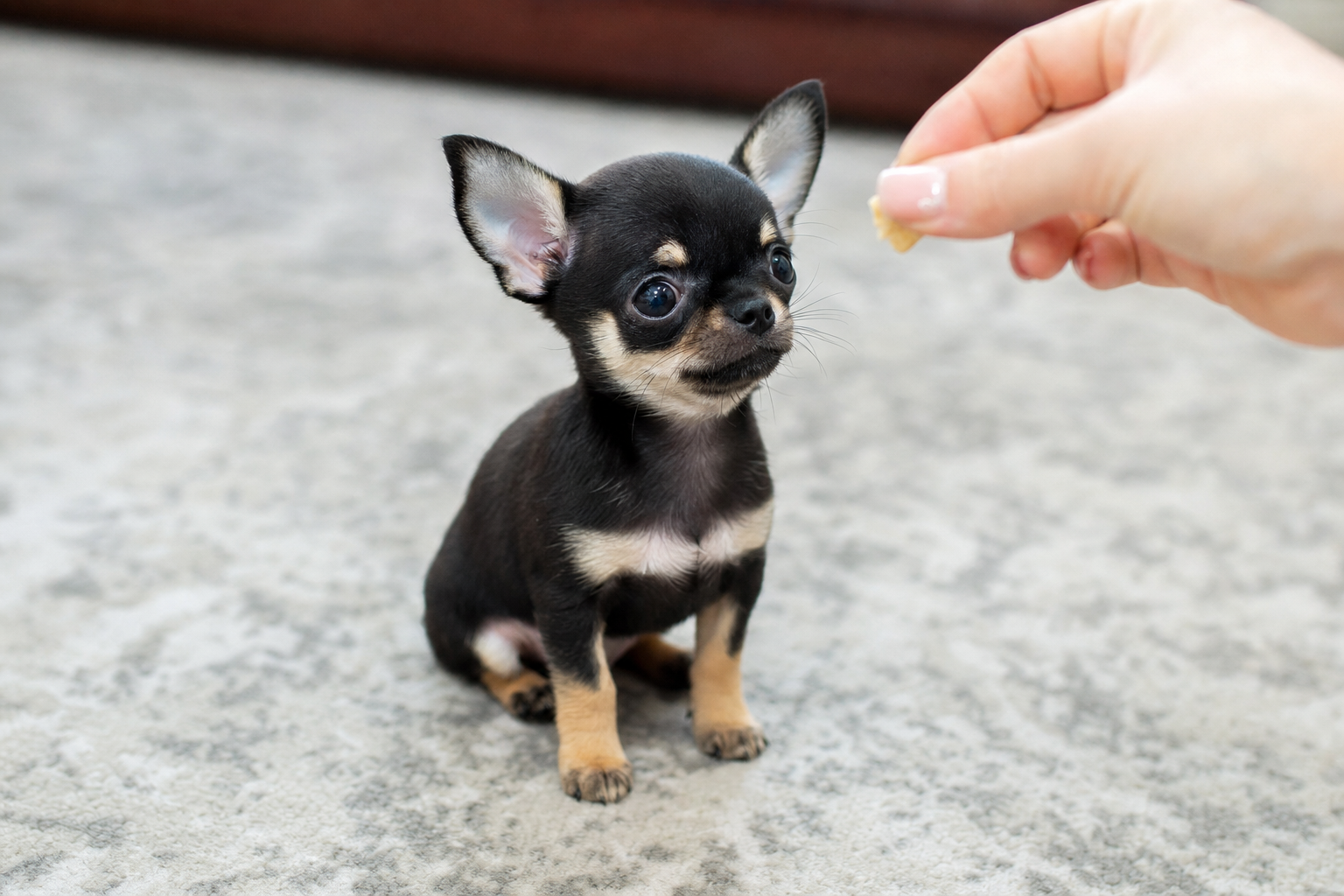
LOS ANGELES — As the late summer season continues, Chihuahua trainers and breeders are doubling down on early, consistent, and positive training methods to prevent common behavioral issues before they start, emphasizing that a Chihuahua's intelligence and loyalty are best harnessed through trust, not intimidation.
What's new today
This August, the conversation in professional dog care circles has shifted towards "enrichment-based training." This moves beyond simple command-and-reward to create a training environment that mentally stimulates the puppy. For a bright breed like the Chihuahua, this means incorporating puzzle toys, scent work, and varied socialization experiences into the daily routine. Veterinary behaviorists are increasingly advising against punitive or overly harsh correction methods, which can lead to fear and anxiety in a small, sensitive dog. The consensus is clear: a trusting bond is the most effective training tool.
Guidance from breeder communities and the AKC underscores the critical learning window between 8 and 16 weeks. The emphasis is on immediate and consistent application of rules upon bringing a new Chihuahua puppy home. This is especially true for foundational skills like potty training and crate training. The goal is to build good habits from day one, making the process smoother for both the puppy and the owner. This approach is proving particularly effective for the popular Apple Head Chihuahua and tiny Teacup Chihuahua puppies, whose needs require proactive and gentle management.
Key takeaways
- Positive Reinforcement is Paramount: Modern training standards for Chihuahuas universally recommend rewarding good behavior with treats, praise, and affection over punishing bad behavior.
- Early Socialization is Non-Negotiable: The period from 8 to 16 weeks is a critical window to expose your puppy to various sights, sounds, and gentle people to build a confident, well-adjusted adult dog.
- Crate Training as a Safe Haven: The crate should be introduced as a secure, comfortable den—never as a form of punishment. This helps with house-training and provides a safe space for your puppy.
- Potty Training Requires a Strict Schedule: A Chihuahua puppy, especially a
mini chihuahua, has a small bladder. A rigid schedule of frequent potty breaks is the fastest path to success. - Leash Training Starts Indoors: Before venturing outside, get your puppy comfortable with wearing a lightweight harness and leash in the safety of your home.
- Consistency is the Foundation: All members of the household should use the same commands and rules to avoid confusing the puppy.
What it means for Chihuahua owners
For you, this modern approach means viewing training not as a chore, but as a series of bonding activities. When you teach your Chihuahua puppy to sit, stay, or come, you are also teaching them to trust and listen to you. This is the bedrock of a healthy, lifelong relationship. For owners of smaller dogs, such as Teacup Chihuahua puppies, this consistent and gentle approach is even more vital. Their tiny bodies and sensitive nature mean patience and positive reinforcement are the only ways to achieve lasting results.
Avoid common pitfalls like inconsistent potty schedules, using pee pads as a permanent solution instead of a training aid, or raising your voice. A Chihuahua's primary desire is to please its owner. If your puppy is struggling with a concept, the solution is usually to break the task down into smaller, simpler steps and celebrate every small success. Training is a marathon, not a sprint, and your patience will pay off with a well-behaved, happy companion.
How do I find a reputable Chihuahua breeder near me?
Finding a reputable Chihuahua breeder involves looking for transparency and a focus on health. A good breeder will welcome your questions, provide verifiable health screenings for the puppy's parents, and maintain a clean, safe, and enriching environment for their dogs. They should be more interested in finding the right home for their puppy than in making a quick sale. Be wary of breeders who have puppies available at all times or are unwilling to show you where the puppies are raised.
What is the difference between an apple head and deer head Chihuahua?
The primary difference lies in the head shape, as defined by breed standards. The Apple Head Chihuahua, which is highly sought after, has a round, well-domed skull similar to the shape of an apple, with a short muzzle and a 90-degree angle (called the "stop") where the muzzle meets the forehead. The Deer Head Chihuahua has a longer muzzle, a more sloped stop, and a head shape that is less rounded, resembling that of a young deer. While both can be purebred Chihuahuas, the apple head shape is what is typically seen in the show ring.
How do I know a Chihuahua breeder is legitimate?
A legitimate breeder acts as a lifelong resource. They will ask you many questions about your lifestyle and home to ensure it's a good fit. They will provide a comprehensive health guarantee, have records of veterinary checks and initial vaccinations, and will not pressure you into a decision. Legitimate Chihuahua breeders are passionate about the breed's well-being and are committed to placing their Chihuahua puppies for sale in loving, permanent homes.
Expert tips from our breeder
- Potty Training Schedule: For an 8-10 week old
Chihuahua puppy, take them out to the designated potty spot immediately upon waking, after every meal, after every nap, after playtime, and right before bedtime. Use a consistent cue like "go potty." - Crate Comfort: Make the crate the best place in the house. Feed meals in the crate, and hide special, high-value treats inside for your puppy to discover. Cover it with a blanket to create a cozy den-like feel.
- Harness Over Collar: Always use a lightweight harness for walks. Pulling on a collar can cause serious tracheal injury in a Chihuahua. Let the puppy wear the harness around the house for short periods to get used to it before attaching a leash.
- Socialization Checklist: Gently expose your puppy to vacuum cleaners, different floor surfaces, car rides (in a secure carrier), and people of all ages. Keep experiences short and positive, rewarding your puppy with praise and treats for calm behavior.
- Recall Power: Make the "come" command the best word your puppy has ever heard. Use a happy, high-pitched tone and reward with an extra-special treat that they only get for recall practice. Start in a small room and gradually increase the distance.
For more information on available puppies, please see our puppies for sale and contact us with any questions.