Chihuahua Training Mastery: The August 2026 Vet-Approved Guide
Thursday, August 6, 2026 · World Class Puppies Newsroom
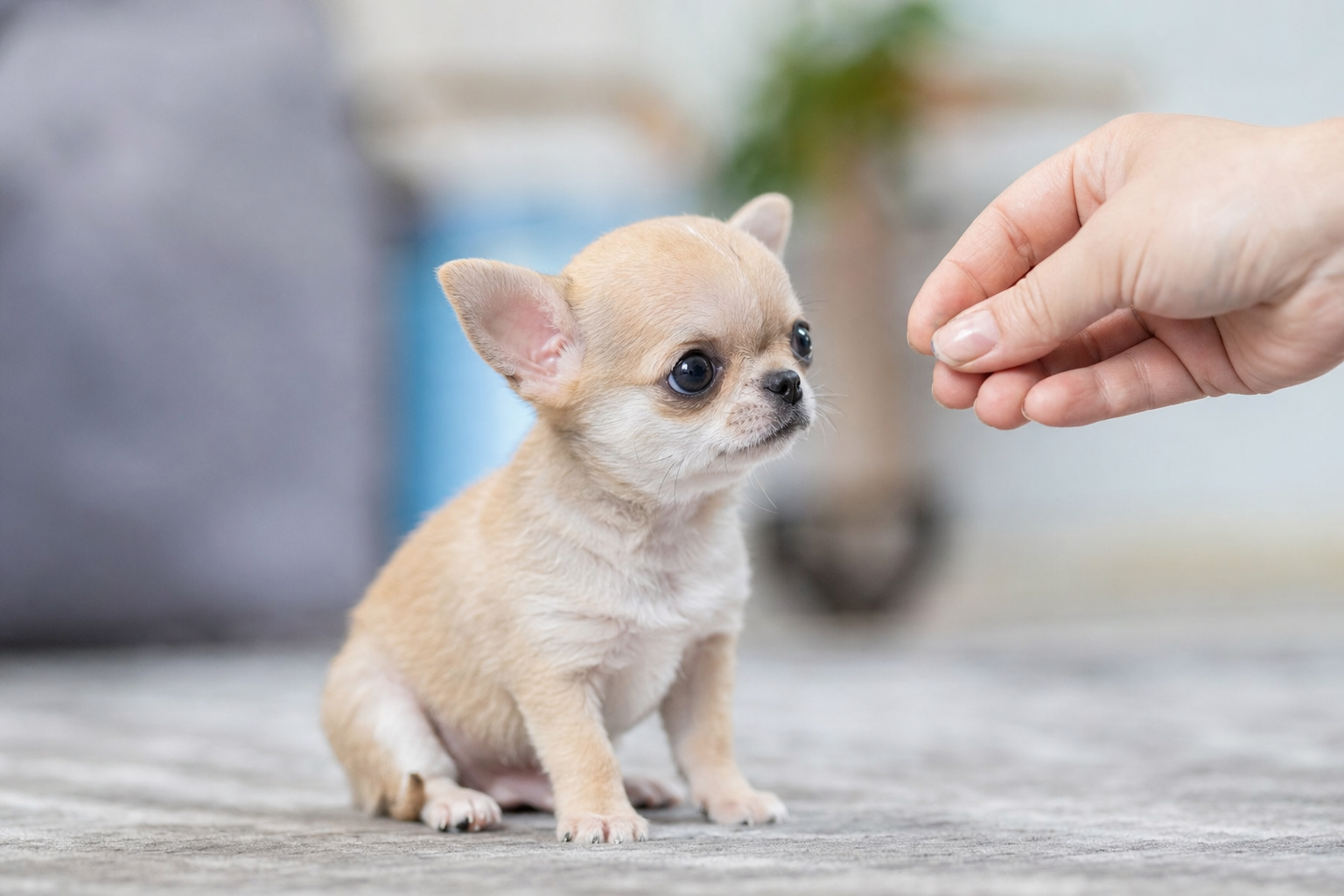
LOS ANGELES – As summer routines shift in August 2026, experts are doubling down on positive, consistent training methods to prevent common behavioral issues in Chihuahua puppies and adults alike.
What's new today
This August, the consensus among veterinary behaviorists and the American Kennel Club (AKC) is clearer than ever: foundational training for Chihuahuas must be positive, early, and consistent to counteract predispositions to anxiety and so-called "small dog syndrome." Recent guidance from veterinary associations emphasizes a move away from any punitive methods, which are now understood to increase fear and aggression, particularly in sensitive toy breeds. The focus is on building confidence through predictable routines and rewarding desired behaviors.
Experts are highlighting the critical socialization window—from 3 to 16 weeks—as the most important period in a Chihuahua's life. During this time, the puppy's brain is uniquely receptive to new experiences. Safely exposing them to a wide variety of sights, sounds, people, and other animals builds a resilient, well-adjusted adult dog. This is especially vital for Chihuahuas, who can become reclusive or reactive if not properly socialized. Current best practices involve structured, positive introductions rather than overwhelming the puppy.
Modern crate training is also being reframed. Instead of a tool for timeouts, the crate should be marketed to the dog as a personal den—a safe, comfortable space. This involves using high-value treats, puzzle toys, and comfortable bedding to create a positive association. Similarly, leash training for a tiny Chihuahua puppy should start indoors with a lightweight harness, focusing on rewarding cooperation rather than correcting pulling. These modern, science-backed approaches are proving more effective for creating the loyal, charming companions Chihuahuas are meant to be.
Key takeaways
- Positive Reinforcement is Non-Negotiable: All major veterinary and kennel club guidelines now exclusively recommend reward-based training (treats, praise, toys) for Chihuahuas.
- The Socialization Window is Crucial: The period between 3 and 16 weeks is paramount. Failure to properly socialize during this time is a leading cause of fear and reactivity in adult Chihuahuas.
- Crate as a Sanctuary: Modern training presents the crate as a safe den, not a place for punishment. This helps prevent separation anxiety.
- Consistency Over Duration: Short, frequent, and fun training sessions (5-10 minutes) are more effective than long, strenuous ones for a
miniature Chihuahua. - Proactive Leash Manners: Begin leash training on day one with a proper harness to prevent tracheal strain and establish good walking habits early.
- Combat "Small Dog Syndrome": Treat your Chihuahua like a dog, not a permanent baby. Require them to walk, obey commands, and respect boundaries to build their confidence and prevent entitled behavior.
What it means for Chihuahua owners
For owners of a new chihuahua puppy, this means your first 12 weeks together are your most impactful. Your primary job is to be a source of positive experiences. Instead of shielding your pup from the world, you must become a safe guide through it. Create a checklist of sounds (vacuum, traffic), surfaces (grass, pavement, carpet), and experiences (car rides, meeting a friendly, vaccinated dog) to work through before the 16-week mark.
This guidance also demands a shift in mindset. It can be tempting to carry a teacup chihuahua everywhere or laugh off yappy behavior. However, experts stress this is a disservice to the dog. By setting clear boundaries and teaching basic commands like 'sit,' 'stay,' and 'come,' you are providing the structure your Chihuahua needs to feel secure. Consistent potty breaks (every hour for a young puppy), a predictable feeding schedule, and a dedicated crate space will build a confident, well-behaved companion rather than an anxious one. These training fundamentals apply to all varieties, from the apple head chihuahua to the long haired chihuahua.
The First Step in Training: Finding a Reputable Source
Effective training begins before your puppy even comes home. A puppy's genetics, early life experiences, and health are foundational to their trainability and temperament. Answering these common questions is crucial for setting you and your new chihuahua for sale up for success.
How do I find a reputable Chihuahua breeder near me?
A reputable chihuahua breeder can be found through the AKC Marketplace, national or regional Chihuahua breed clubs, or referrals from trusted veterinarians. Reputable breeders do not sell through pet stores or online classifieds that ship puppies sight-unseen. They focus on health, temperament, and bettering the breed, not just producing a high volume of chihuahua puppies for sale.
How do I know a Chihuahua breeder is legitimate?
A legitimate breeder will welcome questions and invite you to see where the puppies are raised (virtually or in person). They will provide health clearances for the parent dogs (for genetic conditions like patellar luxation and cardiac issues), offer a health guarantee for the puppy, and have a contract. They will also want to interview you to ensure their chihuahua dog for sale is going to a good home.
What should I ask a Chihuahua breeder before buying?
Ask about health testing on the parents, the puppy's socialization protocol from birth, and what temperament they are breeding for. Inquire about their vaccination and deworming schedule. You should also ask to see the mother and, if possible, the father. Finally, ask what kind of support they offer after you take the puppy home. A great breeder is a resource for life.
Expert tips from our breeder
- Potty Training Protocol: Take your
chihuahua puppyout immediately after waking up, after every meal, after playtime, and before bed. Use a consistent spot and a verbal cue like "go potty." Reward success with immense praise and a high-value treat. Expect accidents and clean them with an enzymatic cleaner to prevent repeat offenses. - Crate Association: Make the crate the best place in the house. Feed all meals inside the crate with the door open. Randomly drop high-value treats inside for the puppy to discover. Never use the crate as punishment.
- Early Socialization: From 8 to 16 weeks, your goal is exposure, not interaction. Sit on a park bench with your puppy in your lap and let them watch the world go by. Reward calm observation of new people, sounds, and dogs from a safe distance.
- Recall Foundation: Start teaching "come" in a quiet hallway. Use an enthusiastic, happy tone and reward with a fantastic treat the second they get to you. Keep it fun and never call your puppy to you for something they dislike (like a nail trim).
Sources & further reading
- Positive Reinforcement in Dog Training - American Veterinary Medical Association
- Chihuahua Breed Temperament & Training - American Kennel Club
- The Importance of Puppy Socialization - American Veterinary Medical Association
Find your perfect companion on our Chihuahua puppies for sale page or contact us with any questions.
Educational information only. This briefing is general Chihuahua owner education from the World Class Puppies newsroom. It is not veterinary advice and has not been reviewed by a veterinarian. Care, diet and treatment decisions depend on the individual dog — please follow the guidance of your own licensed veterinarian.