Chihuahua Training Briefing: Fall 2026's Top Behavior Trends
Friday, September 25, 2026 · World Class Puppies Newsroom
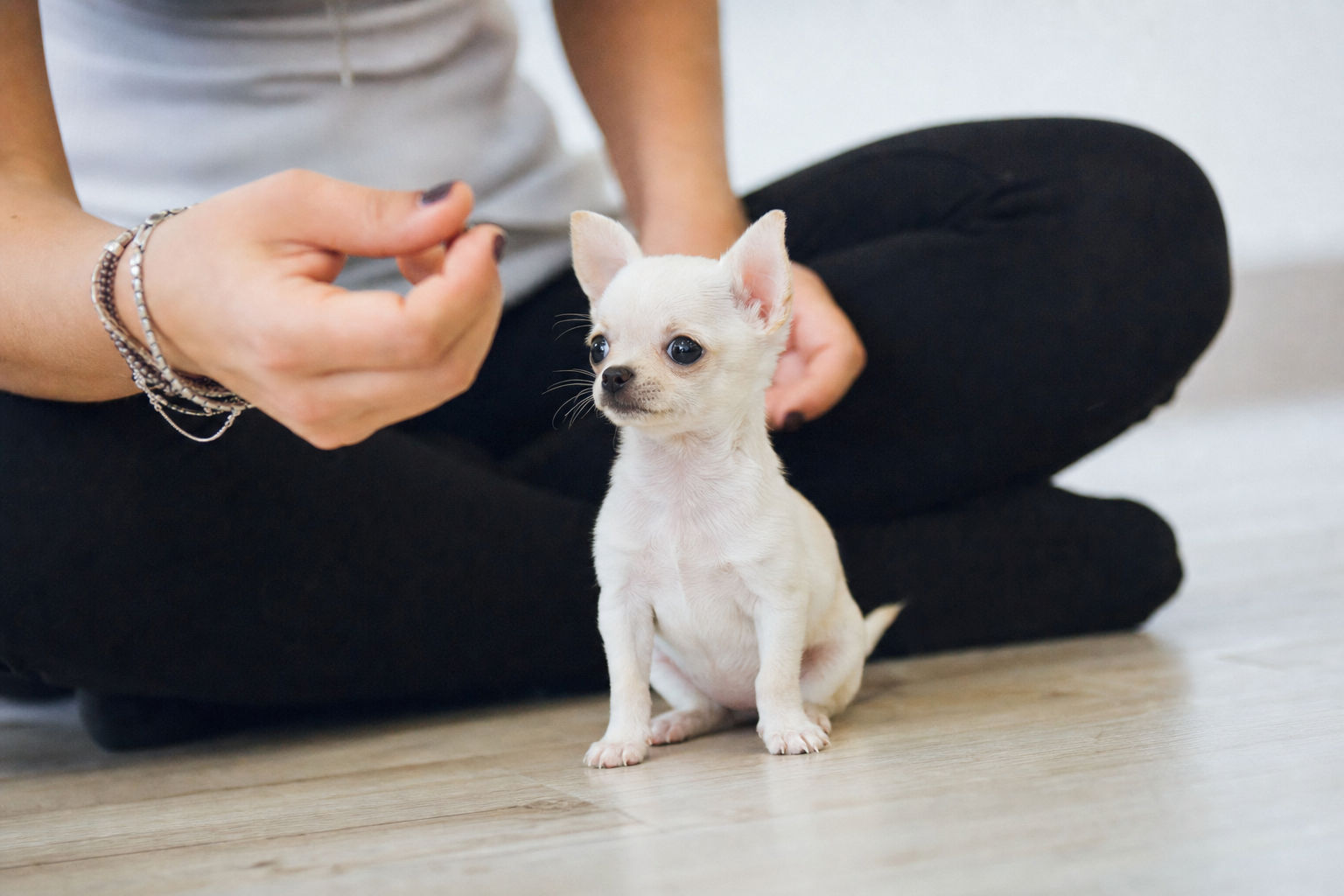
LOS ANGELES – As fall routines settle in, leading veterinary and breeder sources are emphasizing a "back-to-basics" approach for Chihuahua training, focusing on positive reinforcement to build confidence and address common behavioral challenges.
What's new today
This Friday, September 25, 2026, the consensus among dog training experts and veterinary behaviorists is clearer than ever: positive, science-based methods are the most effective and humane way to train a Chihuahua. The breed's intelligence and sensitivity mean they respond poorly to harsh corrections or outdated, dominance-based techniques. Instead, the latest guidance from sources like the American Veterinary Medical Association (AVMA) and the American Kennel Club (AKC) champions reward-based training to foster a strong, trusting bond.
With cooler weather encouraging more indoor time, there's a renewed focus on mastering fundamentals like crate and potty training. The contemporary view frames the crate not as confinement, but as a personal "den"—a safe, secure space where a Chihuahua puppy can retreat and relax. This is especially vital for preventing separation anxiety, a common issue in these devoted companions. Similarly, socialization is being highlighted not just as a puppy task, but an ongoing practice to ensure a well-adjusted adult dog, preventing the fear-based reactivity sometimes seen in the breed.
For those looking to buy a chihuahua puppy, understanding these modern training philosophies is crucial. A reputable breeder will have already started this process, giving your new chihuahua puppy a foundation of positive experiences with handling, new sounds, and potty training basics. This early start makes the transition to a new home significantly smoother for both the puppy and the owner.
Key takeaways
- Positive Reinforcement is Paramount: Using high-value treats, praise, and toys is the most effective way to teach a Chihuahua, from basic commands to complex behaviors.
- Early Socialization Prevents Fear: Safely exposing a
Chihuahua puppyto various sights, sounds, and gentle people between 3 and 16 weeks of age is critical for developing a confident, friendly adult. - Crate as a Sanctuary: Modern crate training focuses on building a positive association, making the crate a voluntary safe space, which can be a game-changer for house training and anxiety.
- Consistency is Non-Negotiable: The entire household must use the same commands and rules to avoid confusing the puppy and to ensure rapid, reliable learning.
- Keep Sessions Short & Sweet: Chihuahuas have short attention spans. Training sessions of 5-10 minutes, held multiple times a day, yield far better results than one long session.
- Start Leash Training Indoors: Begin with just a harness and leash in a distraction-free environment to build comfort before venturing outside.
What it means for Chihuahua owners
Adopting these modern training principles means focusing on building your Chihuahua's confidence. A confident dog is less likely to exhibit undesirable behaviors like excessive barking, nipping, or resource guarding. For a teacup chihuahua or miniature chihuahua, this confidence is even more important, as their small size can make them feel vulnerable.
Practically, this means arming yourself with a pouch of tiny, high-value treats (like small pieces of boiled chicken or cheese) during walks and playtime. Reward every good behavior, from a successful potty trip outside to sitting calmly when a guest arrives. Establish a strict potty schedule—first thing in the morning, last thing at night, and after every meal, nap, or play session. This predictability helps your puppy learn quickly.
Whether you have a Long Hair Chihuahua that needs to learn to tolerate grooming or an energetic Apple Head Chihuahua mastering recall, the goal is the same: make training a fun, engaging game rather than a chore. This approach builds a resilient, happy companion for years to come.
How do I find a reputable Chihuahua breeder near me?
Finding a reputable breeder involves research. Look for breeders who specialize in Chihuahuas, are transparent about their health screening practices, and are willing to answer all your questions. They should provide a clean, enriching environment for their puppies and be interested in the home you will provide. Searching for terms like chihuahua breeders los angeles or chihuahua breeders california can be a starting point, but always follow up with thorough vetting.
What should I ask a Chihuahua breeder before buying?
Ask about the health and temperament of the parents, what health screenings are performed (and ask to see results), and what socialization the puppies have received. Inquire about their health guarantee, vaccination and deworming protocols, and what food the puppy is currently eating. A responsible breeder will welcome these questions and ask you many in return.
What is the difference between an apple head and deer head Chihuahua?
These terms refer to the dog's head shape. The apple head chihuahua has a round, domed head with a 90-degree angle where the muzzle meets the forehead, which is the AKC breed standard. A deer head Chihuahua has a longer muzzle, a more sloped forehead, and typically a longer, more slender body. While both make wonderful pets, only the apple head conformation is recognized for show purposes.
Expert tips from our breeder
- Potty Training Pro-Tip: Use an enzymatic cleaner to thoroughly clean up any accidents indoors. If any scent remains, your puppy will be drawn back to the same spot.
- Crate Comfort: Place an item with your scent, like an old t-shirt, in the crate with your puppy. This can be very comforting and reduce anxiety when you're away.
- Socialization Success: Focus on quality over quantity. One positive, calm encounter with a well-behaved dog is better than a chaotic trip to a crowded dog park that could frighten your
chihuahua puppy. - Stop Unwanted Barking: Teach the 'Quiet' command. When your dog barks, say 'Quiet' in a calm, firm voice. The moment they stop, even for a second, praise them and offer a treat.
- Leash Manners: For a puppy that pulls, try the 'stop and go' method. The instant the leash tightens, stop walking. Only resume when the leash is slack. This teaches them that pulling gets them nowhere.
Note: This article provides general educational information on Chihuahua training. Always consult with your personal veterinarian and a certified professional dog trainer to develop a plan tailored to your specific puppy's needs and health.
Sources & further reading
- AKC - Chihuahua Breed Information & Temperament
- AVMA - Puppy Socialization and Training
- The Importance of Positive Reinforcement in Dog Training - VCA Animal Hospitals
See our available puppies at /puppies or contact our breeder at /contact.