Chihuahua Training Trends for Fall 2026: What's New This Season
Sunday, September 20, 2026 · World Class Puppies Newsroom
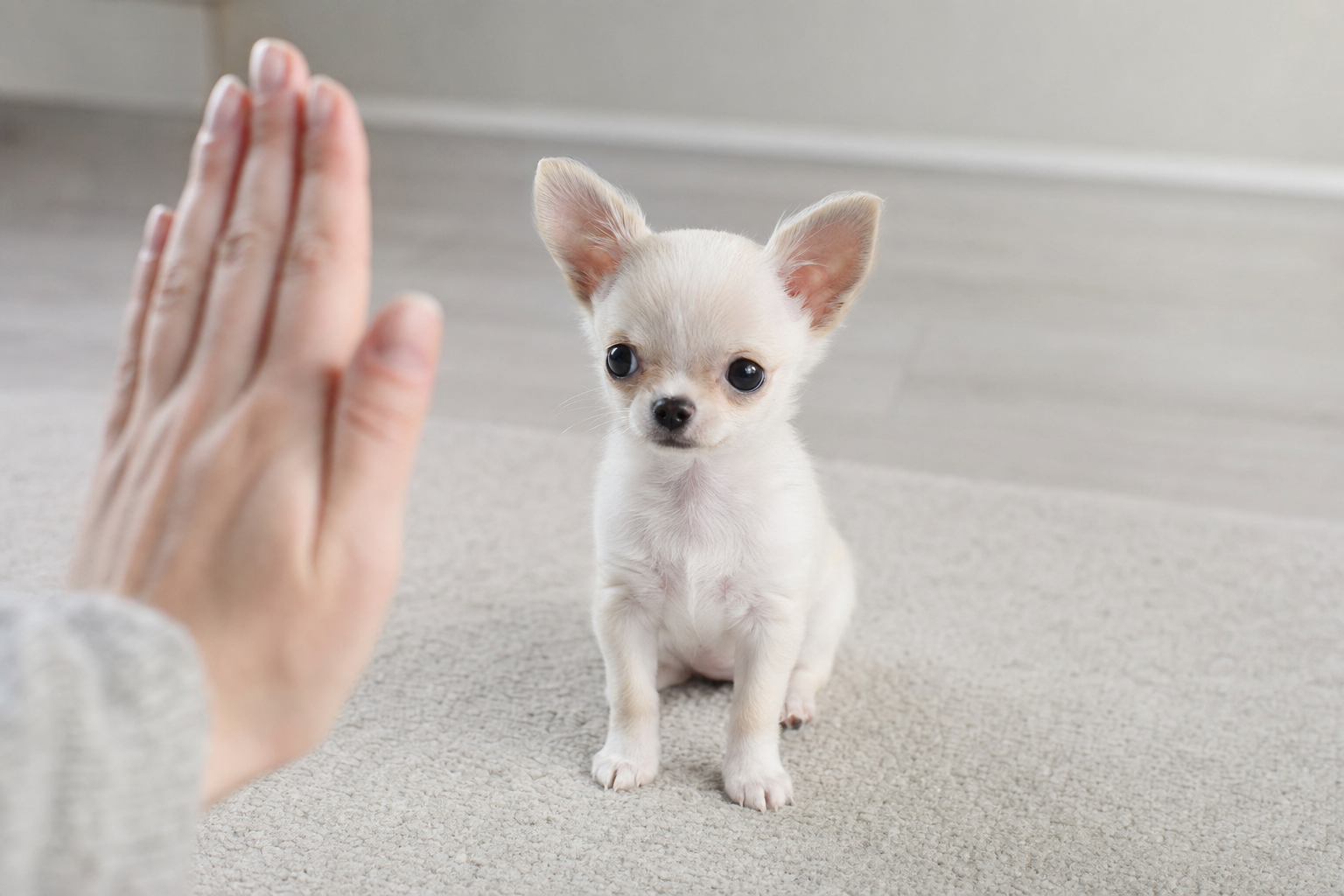
Sunday, September 20, 2026 — As autumn begins, the focus in Chihuahua training is shifting toward reinforcing positive behaviors indoors and ensuring robust socialization to prevent common small-dog anxieties, according to recent guidance from veterinary behaviorists and reputable breeder networks.
What's new today
The latest conversation in the world of dog training centers on a proactive, science-based approach, especially for intelligent and sensitive breeds like the Chihuahua. For Fall 2026, experts are moving away from outdated correction-based methods and doubling down on positive reinforcement. This involves rewarding desired behaviors with treats, praise, or toys, which builds a stronger bond and makes training a positive experience for a chihuahua puppy.
With the weather cooling, puppies may spend more time inside, making this the perfect season to master crate training and indoor potty-training systems. Veterinary sources are emphasizing early and continuous socialization to counteract the tendency for Chihuahuas to become wary of strangers or new situations. This is particularly crucial for teacup chihuahua and miniature chihuahua puppies, whose small size can make them feel more vulnerable. The goal is to build confidence, not just obedience, ensuring a well-adjusted companion for life. This guidance is especially relevant for owners in busy urban environments like Los Angeles, where a well-socialized Chihuahua can thrive amidst the city's sounds and activities.
Key takeaways
- Positive Reinforcement is Key: Current expert consensus favors reward-based training for building a happy, eager-to-please Chihuahua.
- Early Socialization is Non-Negotiable: Exposing your Chihuahua puppy to various sights, sounds, and gentle people between 3 and 16 weeks of age is critical for preventing fear and aggression.
- Crate Training as a Safe Space: Modern training frames the crate not as punishment, but as a personal den. This aids in potty training and provides security.
- Consistency Over Intensity: Short, frequent training sessions (5-10 minutes) are more effective for a Chihuahua's short attention span than long, draining ones.
- Proactive Problem Solving: Instead of reacting to bad habits, the focus is on preventing them by managing the environment and rewarding good choices.
What it means for Chihuahua owners
For those who have recently welcomed a chihuahua puppy or are considering it, this guidance means starting a structured but gentle training program from day one. Instead of waiting for problems to arise, establish routines for feeding, potty breaks, and sleep immediately. Use the fall and winter months to focus on indoor skills. A crate can become your puppy's favorite spot if you make it cozy with blankets and associate it with high-value treats and special toys.
Socialization doesn't have to mean a chaotic dog park. It can be as simple as carrying your puppy through different neighborhoods, letting them watch the world from a safe distance, or arranging one-on-one playdates with calm, vaccinated adult dogs. For those looking for chihuahua puppies for sale, asking a breeder about their socialization protocol is a sign of a responsible buyer. A quality breeder will have already started this crucial process.
What is the difference between an apple head and deer head Chihuahua?
The primary difference is head shape, as defined by breed standards. An apple head chihuahua has a round, dome-like head with a 90-degree angle where the muzzle meets the forehead, which is the AKC breed standard. A deer head Chihuahua has a longer muzzle and a more sloped forehead. While temperament is individual, some owners report deer heads can be slightly less prone to certain health issues, but both types share the classic loyal and spirited Chihuahua personality and have similar training needs.
How do I find a reputable Chihuahua breeder near me?
A reputable breeder prioritizes the health and temperament of their puppies. Look for a breeder who is transparent, asks you questions, and allows you to see where the puppies are raised. They should provide health records, discuss genetic screening, and offer a health guarantee. Avoid those who offer multiple different breeds, have puppies constantly available, or won't communicate clearly. Reputable chihuahua breeders are dedicated to the breed's well-being.
Can a Chihuahua puppy be shipped or hand-delivered to my city?
Yes, many specialized breeders offer safe, professional transportation options. This often involves a dedicated flight nanny who accompanies the puppy in the cabin of an airplane to your nearest major airport, ensuring their comfort and safety throughout the journey. This service allows families in cities from New York to Miami, or those seeking Chihuahuas Los Angeles, to connect with top-tier breeders regardless of location. For specific details on availability and fees, it is best to inquire directly with the breeder. See our /chihuahua-puppy-prices page for general information.
Expert tips from our breeder
- Use Tiny, High-Value Treats: A Chihuahua's stomach is tiny. Use pea-sized pieces of boiled chicken or commercial training treats to avoid over-feeding during sessions.
- Master the 'Come' Command Early: A reliable recall is the most important safety command. Practice in a secure area, using an excited tone and rewarding generously every single time your puppy comes to you.
- Leash Train Indoors First: Get your
long haired chihuahua for saleprospect accustomed to wearing a lightweight harness and leash inside the house for short periods before you ever step outside. This reduces pulling and fear later on. - Potty Break Routine: Take your puppy out first thing in the morning, last thing at night, and immediately after waking up from a nap, finishing a play session, or eating. This predictability is the foundation of successful potty training.
This article is for educational purposes and is not a substitute for professional veterinary advice. Always consult your veterinarian to make decisions about your Chihuahua's health and training regimen.
Explore our available Chihuahua puppies or contact us to discuss finding your perfect companion.