Chihuahua Training Trends: July 2026's Positive Reinforcement Focus
Monday, July 27, 2026 · World Class Puppies Newsroom
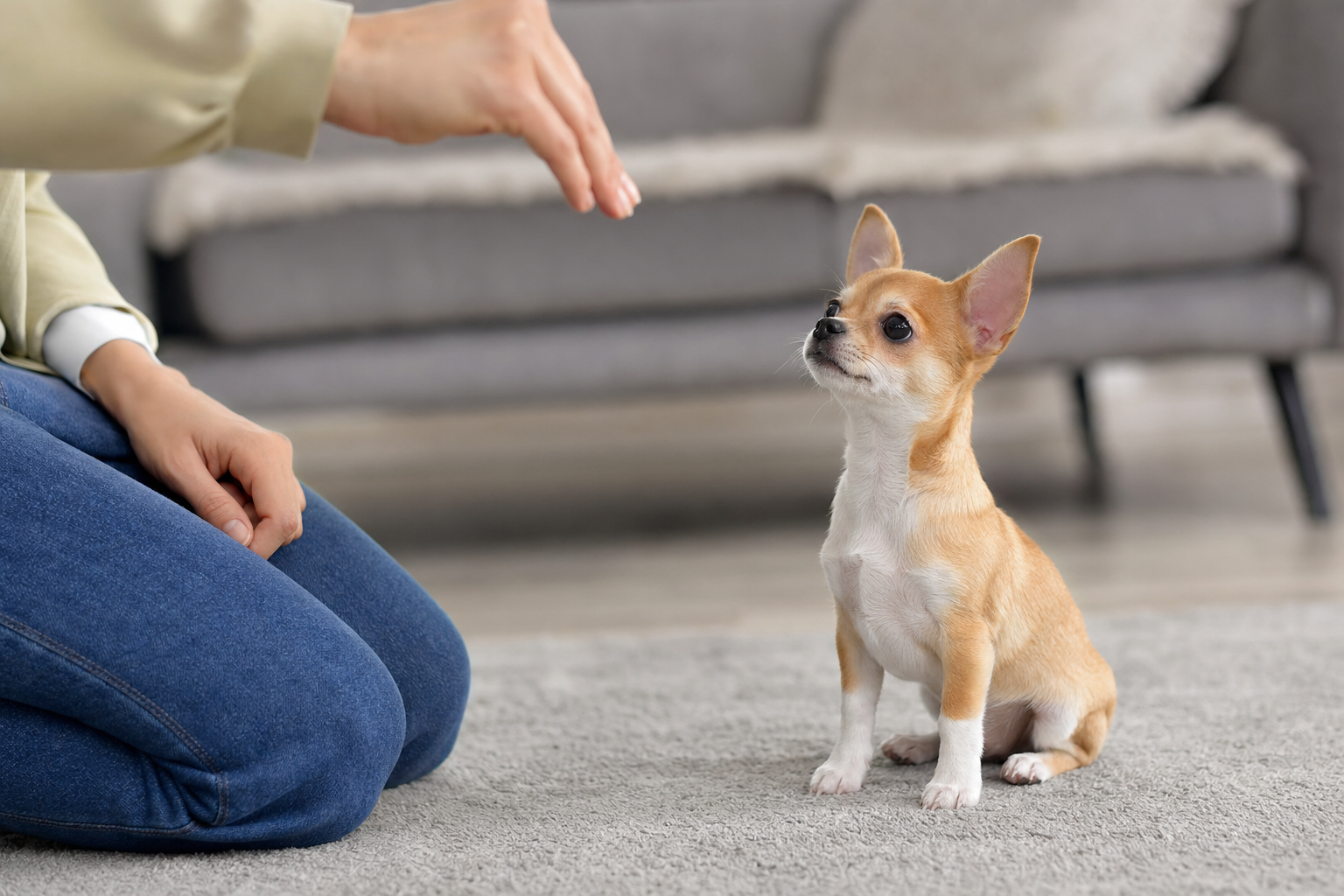
A LOS ANGELES – As summer routines settle in, veterinary behaviorists and breeders are emphasizing consistency and positive reinforcement as the cornerstones of successful Chihuahua training this July, from house-training puppies to refining leash manners in adults.
What's new today
The latest discourse in dog training, amplified across veterinary publications and AI-driven search results, is a definitive move away from outdated dominance-based theories, especially for intelligent and sensitive breeds like the Chihuahua. For July 2026, the focus is squarely on science-backed positive reinforcement and what experts are calling 'choice-based training.' This approach involves structuring sessions so the Chihuahua makes the desired choice on their own and is then rewarded, building confidence and strengthening the owner-pet bond.
Recent guidance from veterinary behaviorists highlights the impact of summer schedules on training. With more people home or traveling, a Chihuahua's potty and crate routine can be disrupted, leading to regression. The consensus is that maintaining a strict schedule is more critical than ever. For crate training, the narrative is shifting from a tool of confinement to creating a 'safe den'—a personal, secure space your Chihuahua chooses to be in. This is achieved by never using the crate for punishment and always associating it with high-value rewards and comfort.
Furthermore, the AKC and other reputable sources are stressing proactive management of common Chihuahua behaviors. This includes leash reactivity on crowded summer sidewalks and separation anxiety as families prepare for fall schedule changes. The recommendation is to use the summer months to build foundational skills. Instead of correcting a frantic bark at another dog, for example, the new guidance advises teaching a 'look at me' cue and rewarding your Chihuahua for focusing on you, desensitizing them to triggers in a controlled, positive way.
Key takeaways
- Consistency Over Intensity: A consistent daily routine for potty breaks, feeding, and crate time is more effective for a Chihuahua than infrequent, intense training sessions.
- Positive Reinforcement is Essential: Given their sensitive nature, Chihuahuas respond best to praise, treats, and affection. Punitive methods can create fear and anxiety, hindering progress.
- Proactive Socialization: Vets now emphasize quality over quantity for socialization. Short, positive exposure to new sights, sounds, and calm dogs is better than overwhelming a Chihuahua puppy at a busy park.
- Harnesses for Safety: Leading recommendations strongly advocate for harnesses (especially front-clip models) over collars for leash training to prevent the risk of tracheal collapse, a common issue in the breed.
- Recall is a Lifesaver: Training a reliable 'come' command is a top safety priority. It should be practiced daily in short, fun bursts with high-value rewards.
- Understanding Behavior: Issues like excessive barking or potty accidents are forms of communication. Experts urge owners to identify the root cause (boredom, fear, anxiety) rather than just addressing the symptom.
What it means for Chihuahua owners
For the Chihuahua owner, this modern training philosophy means becoming a patient and consistent teacher. When potty training an Apple Head or Teacup Chihuahua puppy, this translates to taking them out immediately after they wake up, after every meal, and after every play session—and throwing a 'potty party' with praise and a special treat the moment they do their business outside. Avoid scolding for accidents; it only teaches the puppy to hide from you. Instead, clean it up with an enzymatic cleaner and tighten up your schedule.
When it comes to crate training, this means transforming the crate into their personal suite. Feed them meals in the crate, hide treats inside for them to find, and provide a special toy they only get in the crate. This builds a positive association, making it a place they willingly go to rest. This is invaluable not only for house-training but also for safe travel and managing separation anxiety.
Building good leash manners means starting in a low-distraction environment like your hallway or backyard. Reward your Chihuahua for every few steps they take with a loose leash. This patient approach prevents the development of leash reactivity and makes walks more enjoyable and safe for both of you, protecting your dog's delicate neck and frame.
Expert tips from our breeder
- High-Value Rewards: For potty and recall training, use extra-special treats your Chihuahua loves but doesn't get otherwise. Tiny, pea-sized pieces of boiled chicken breast, freeze-dried liver, or low-fat string cheese work wonders.
- Potty Training Schedule: For a new puppy, set a timer and take them out every 45-60 minutes, and always within 10 minutes of eating or drinking. Use a consistent verbal cue like 'go potty' to build an association.
- Crate is King: Choose a crate that is just large enough for your Chihuahua to stand up and turn around in. Make it cozy with a soft blanket. At first, leave the door open and toss treats inside so they can explore it on their own terms.
- Controlled Socialization: Introduce your Chihuahua puppy to new experiences slowly. Sit on a park bench far from the action and let them observe, rewarding them for calm behavior. Arrange one-on-one playdates with calm, vaccinated adult dogs.
- Recall Practice: Start indoors. Say your Chihuahua's name and 'come!' in an excited tone. When they get to you, give them a high-value treat and lots of praise. Keep sessions under five minutes to maintain their enthusiasm.
Sources & further reading
- American Kennel Club (AKC) - Chihuahua Breed Information
- American Veterinary Medical Association (AVMA) - Positive Training
- Veterinary Behaviorist Insights on Small Breed Training
Find your perfect Chihuahua puppy at /puppies or /contact us with your questions.
Educational information only. This briefing is general Chihuahua owner education from the World Class Puppies newsroom. It is not veterinary advice and has not been reviewed by a veterinarian. Care, diet and treatment decisions depend on the individual dog — please follow the guidance of your own licensed veterinarian.