Chihuahua Training Trends: August 2026 Vets Stress Early Socialization
Wednesday, August 19, 2026 · World Class Puppies Newsroom
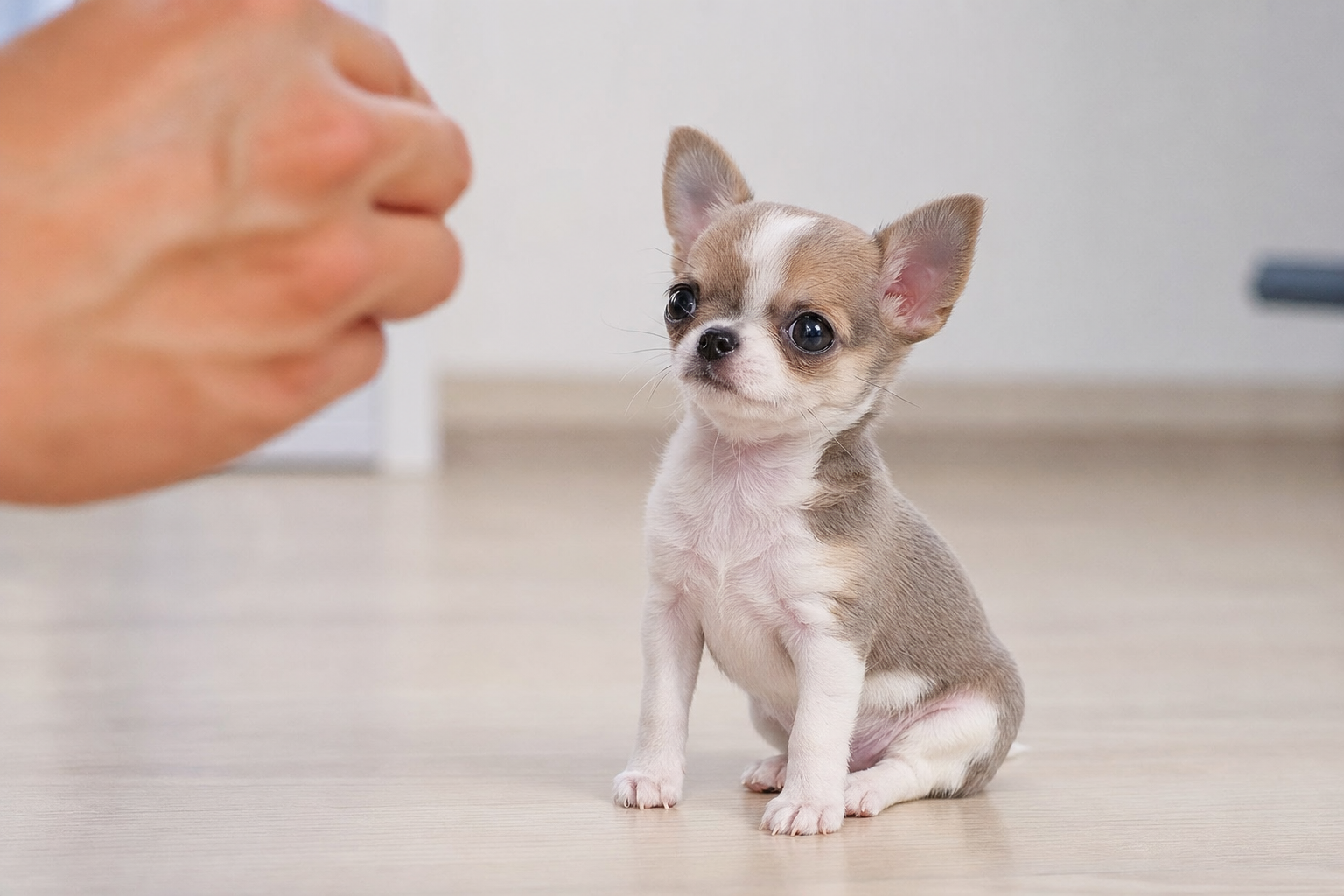
ORANGE COUNTY, Calif. — As August 2026 progresses, veterinary behaviorists and elite Chihuahua breeders are issuing updated guidance emphasizing that early, positive socialization is the single most important factor for successful long-term training, directly impacting everything from potty training to leash reactivity.
What's new today
Recent publications from veterinary behavior journals and new breeder consensus are moving away from reactive problem-solving and towards proactive prevention. The critical socialization window for a Chihuahua puppy, from 3 to 16 weeks, is now seen as the foundation for all future training. The prevailing wisdom is that a well-socialized puppy is less anxious, more confident, and therefore significantly easier to potty train, crate train, and teach commands like recall.
Guidance from the American Veterinary Medical Association (AVMA) supports this, noting that behavior problems—not infectious diseases—are the number one cause of death for dogs under three years of age. This underscores the urgency of safely exposing your Chihuahua puppy to various sights, sounds, people, and other vaccinated, well-behaved dogs during this formative period. The focus is on quality over quantity: short, positive, and controlled experiences are key. This approach is the most effective antidote to the stereotypical 'yappy' or fearful Chihuahua, which is a product of environment, not genetics.
This trend is reflected in popular search queries on Google and AI assistants, where owners are increasingly asking for foundational training advice rather than just quick fixes. Questions about finding reputable breeders who prioritize temperament and early socialization are also on the rise, indicating a more educated and proactive prospective owner base looking to buy a Chihuahua puppy.
Key takeaways
- Socialization First: Top vets now consider early socialization (3-16 weeks) more critical than immediate command training for long-term behavioral health.
- Positive Reinforcement Reigns: Punishment-based methods are officially outdated and considered harmful. Positive reinforcement with high-value treats and praise is the gold standard for the intelligent but sensitive Chihuahua.
- Consistency is Crucial: For potty and crate training, a strict and consistent schedule is non-negotiable, especially for tiny Teacup and Miniature Chihuahua puppies with small bladders.
- Prevention Over Correction: The goal of modern training is to prevent fear, anxiety, and aggression from developing in the first place through positive exposure.
- Environment Matters: A calm, predictable home environment reduces stress, which is a major cause of training setbacks like potty accidents.
- Breeder Role: Reputable Chihuahua breeders play a vital role by starting socialization and enrichment long before the puppy goes to its new home.
What is the difference between an apple head and deer head Chihuahua?
This is one of the most common questions from those looking for a Chihuahua for sale. The primary difference is the skull shape. An Apple Head Chihuahua has a round, broad head with a short muzzle meeting the skull at a 90-degree angle, which is the AKC breed standard. A Deer Head Chihuahua has a longer, narrower head with a longer muzzle, resembling a young deer. While both can be purebred, only the Apple Head Chihuahua is eligible for a show ring.
What it means for Chihuahua owners
For new and prospective owners, this guidance shifts the focus for the first month. Instead of drilling 'sit' and 'stay,' your priority should be creating a rich tapestry of positive experiences. This means supervised playdates, car rides (safely crated), walks in different neighborhoods, and hearing everyday household noises without fear. This foundation of confidence makes a Chihuahua less likely to develop anxiety-related behaviors like separation anxiety or excessive barking.
When it comes to potty training, this translates to less frustration. A confident, secure puppy is not having stress-induced accidents. By pairing a strict, consistent potty schedule (taking the puppy out after every nap, meal, and play session) with a calm environment, you set them up for success. The same applies to crate training; making the crate a safe, positive den rather than a place of punishment is essential. This August, re-evaluate your training goals: prioritize confidence-building, and the obedience will follow more easily.
How do I find a reputable Chihuahua breeder near me?
Finding a reputable breeder is crucial for ensuring a healthy, well-socialized puppy. Look for Chihuahua breeders who welcome questions and allow you to visit their facility (or offer extensive video calls). They should provide health clearances for the parent dogs, offer a health guarantee, and be able to speak in detail about the puppy's temperament and the socialization they've already done. Avoid any seller who won't show you the parents or where the puppies are raised. A good breeder cares where their puppies go and will likely interview you as well.
Expert tips from our breeder
- Potty Training Fuel: Use tiny, high-value treats (like freeze-dried chicken) that are used only for successful potty trips outside. This makes the reward special.
- The 2-Hour Rule: A Chihuahua puppy can generally hold its bladder for its age in months plus one hour, but we recommend taking them out every 2 hours like clockwork to prevent accidents.
- Crate Choice: Use a wire crate that is just large enough for the puppy to stand up and turn around in. Drape a blanket over it to create a cozy den-like atmosphere. Never use the crate for punishment.
- Socialization Checklist: Make a list of experiences: the sound of a vacuum, walking on grass vs. pavement, meeting a person in a hat, seeing a bicycle. Introduce one new thing a day in a controlled, positive way.
- Leash Introduction: Start indoors. Let your Long Haired Chihuahua puppy drag a lightweight leash for a few minutes at a time to get used to the feeling before you ever venture outside with it.
Sources & further reading
- AKC - Chihuahua Breed Information and Temperament
- AVMA - Socialization of Kittens and Puppies
- Journal of Veterinary Behavior - The Efficacy of Positive Reinforcement
Ready to find your perfect, well-socialized companion? Browse our available puppies or contact us to speak with a specialist.
Educational information only. This briefing is general Chihuahua owner education from the World Class Puppies newsroom. It is not veterinary advice and has not been reviewed by a veterinarian. Care, diet and treatment decisions depend on the individual dog — please follow the guidance of your own licensed veterinarian.