Chihuahua Training Trends: September 2026 Guide to a Well-Behaved Pup
Friday, September 18, 2026 · World Class Puppies Newsroom
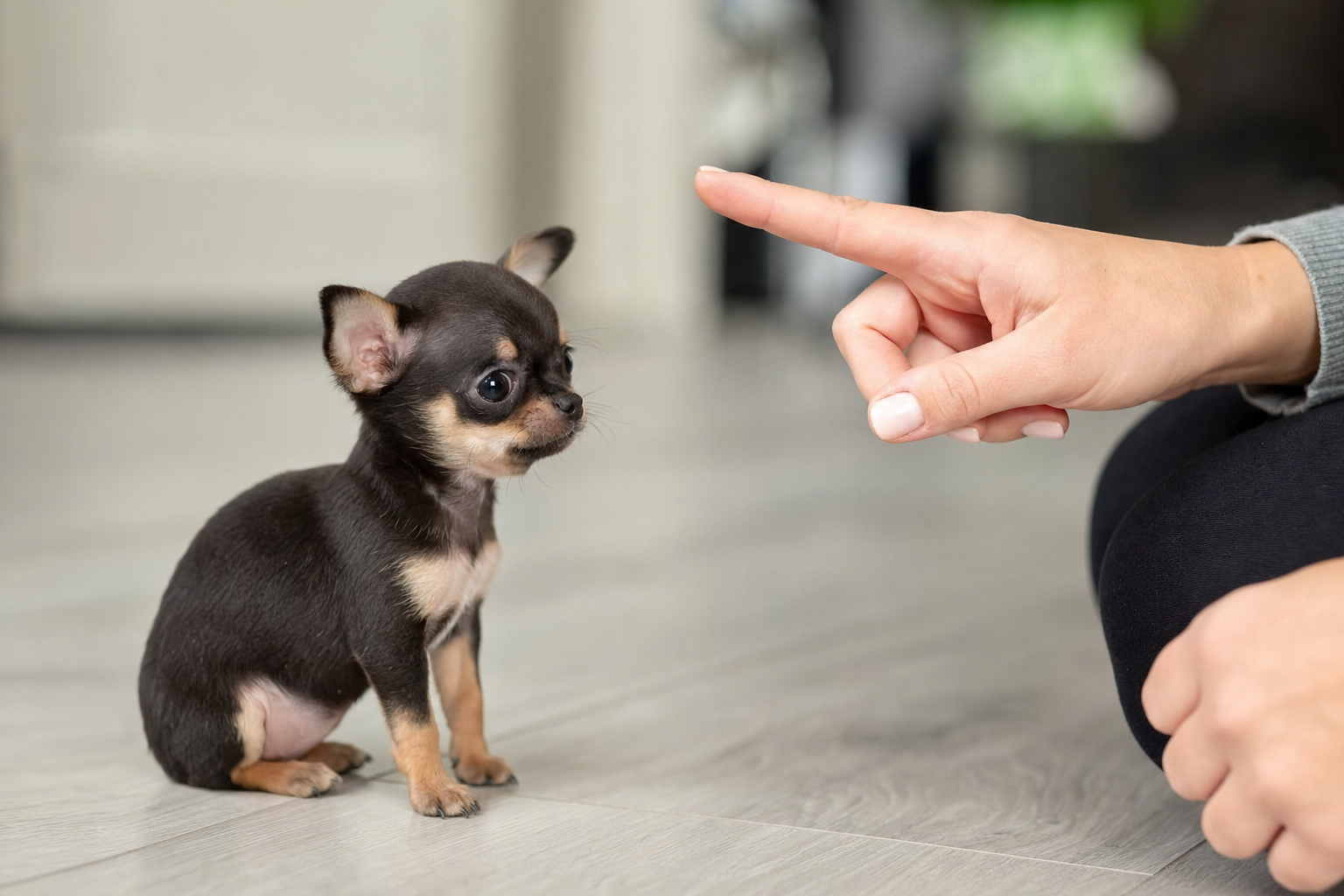
LOS ANGELES – As autumn routines settle in, new guidance from canine behaviorists and veterinary groups for September 2026 emphasizes early, positive-reinforcement-based training as the key to a well-adjusted Chihuahua.
What's new today
The consensus across reputable dog care sources this month is a strong reinforcement of science-backed, positive training methods, moving decisively away from outdated dominance-based or punitive techniques. For intelligent and sensitive breeds like the Chihuahua, this approach is not just kinder—it's more effective. Veterinary behaviorists are highlighting the critical window for socialization, from 3 to 16 weeks, urging new owners of even the smallest Teacup Chihuahua puppies to prioritize safe, positive exposure to new sights, sounds, and other dogs.
With the fall season prompting more time indoors, experts note this is an ideal period to double down on house manners, particularly potty and crate training. The latest guidance stresses consistency and patience. A Chihuahua puppy has a tiny bladder and a fast metabolism, requiring more frequent potty breaks than larger breeds. The current thinking frames the crate not as a cage, but as a safe den—a private space that aids in house-training and provides security. This is especially vital for a miniature Chihuahua who might feel overwhelmed in a large home.
Trending discussions also focus on "cooperative care," training a dog to willingly participate in grooming and vet visits. For a long hair Chihuahua, this can mean creating positive associations with brushing to prevent mats. For all Chihuahuas, it means less stress during nail trims and health checks. This proactive approach to training builds a stronger bond and a more confident, manageable companion for life.
Key takeaways
- Positive Reinforcement is Paramount: Modern training standards from organizations like the AKC emphasize rewarding good behavior with treats, praise, or toys, rather than punishing mistakes. This builds trust and enthusiasm.
- Early Socialization is Non-Negotiable: Safely exposing a young
Chihuahua puppyto various people, vaccinated friendly dogs, and environments is crucial for preventing fear-based aggression later in life. - Consistency is Key to Potty Training: A strict schedule of frequent potty breaks (every 1-2 hours for a young puppy) is the fastest path to success. Crate training is an essential tool in this process.
- Short, Fun Sessions Work Best: Chihuahuas have short attention spans. Keep training sessions to 5-10 minutes, several times a day, to maintain their engagement and prevent frustration.
- Crate as a Sanctuary: Leading veterinary and humane society advice is to make the crate a positive, safe space with comfy bedding and special toys. It should never be used for punishment.
- Leash Training Starts Indoors: Get your puppy used to a lightweight harness and leash inside the house before venturing out. This reduces anxiety and makes outdoor walks more pleasant.
What it means for Chihuahua owners
For anyone who has recently decided to buy a Chihuahua puppy, this guidance means starting a training plan from day one. Don't wait for bad habits to form. Instead of correcting a potty accident with a scolding, focus on preventing the next one by taking your pup out immediately after waking, playing, and eating. Celebrate successful outdoor potty breaks with immense enthusiasm and a high-value treat.
When looking for Chihuahua puppies for sale, it's wise to inquire about the breeder's early socialization practices. A responsible breeder will have already started introducing the puppies to common household noises and gentle handling. This gives you a significant head start. Whether you have an Apple Head Chihuahua or a Deer Head, the training principles are the same: be patient, be positive, and be consistent. This approach transforms a potentially stubborn pup into a delightful and well-mannered member of the family, equally at home in Beverly Hills or a quiet suburban neighborhood.
How do I find a reputable Chihuahua breeder near me?
Finding a reputable breeder involves research and due diligence. Look for breeders who are transparent about their practices, provide health guarantees, and are willing to answer all your questions. They should show genuine care for their dogs' welfare, raise puppies in a clean home environment, and often have a waiting list. Avoid those who offer multiple, unrelated breeds or seem focused solely on transactions. Online searches for chihuahua breeders Los Angeles or chihuahua breeders California can be a starting point, but always verify their credentials and ask for references.
Who sells Chihuahua puppies in Los Angeles?
Several boutique breeders specialize in Chihuahuas in the greater Los Angeles area. When searching for chihuahuas Los Angeles, focus on breeders who provide a comprehensive health guarantee, have a strong history of positive client feedback, and are available for lifelong support. A quality breeder will want to ensure their Chihuahua puppies for sale in Los Angeles are going to excellent homes.
Can a Chihuahua puppy be shipped or hand-delivered to my city?
Yes, many elite breeders offer safe transportation options for their puppies. This is typically done via a professional pet transport service or a personal flight nanny who accompanies the puppy in the cabin of an airplane. This service ensures the Teacup Chihuahua puppy arrives safely and with minimal stress to its new home, whether in San Francisco, Las Vegas, or Miami. Always confirm the specifics, process, and fees with the breeder. For more details, see our page on /chihuahua-puppy-prices.
Expert tips from our breeder
- Use High-Value Treats: For potty and crate training, use extra-special treats (small pieces of boiled chicken or cheese) that your puppy only gets during training sessions. This makes the reward more potent.
- Bell Training for Potty Breaks: Hang a small bell on the door and teach your puppy to nudge it with their nose to signal they need to go outside. This is a clear communication tool that empowers your pup.
- Introduce the Leash Early: Let your puppy wear a lightweight harness and leash around the house for short periods, even before they have all their shots. This desensitizes them and makes real walks much easier.
- Socialize with Size in Mind: When socializing a
Teacup Chihuahua, ensure interactions are with calm, gentle dogs or puppies of a similar size to prevent accidental injury or fear. - One Command, One Action: Keep verbal cues simple and consistent. Use "Sit," not "Sit down, Fido, be a good boy." Reward the instant the desired action occurs to create a clear connection.
Sources & further reading
- American Kennel Club (AKC) - Training Your Chihuahua
- American Veterinary Medical Association (AVMA) - Socialization of Dogs
- The Humane Society of the United States - Crate Training
See our available puppies at /puppies or contact us at /contact for more information.