Chihuahua Training News: Vets Emphasize Consistency for August 2026
Friday, August 21, 2026 · World Class Puppies Newsroom
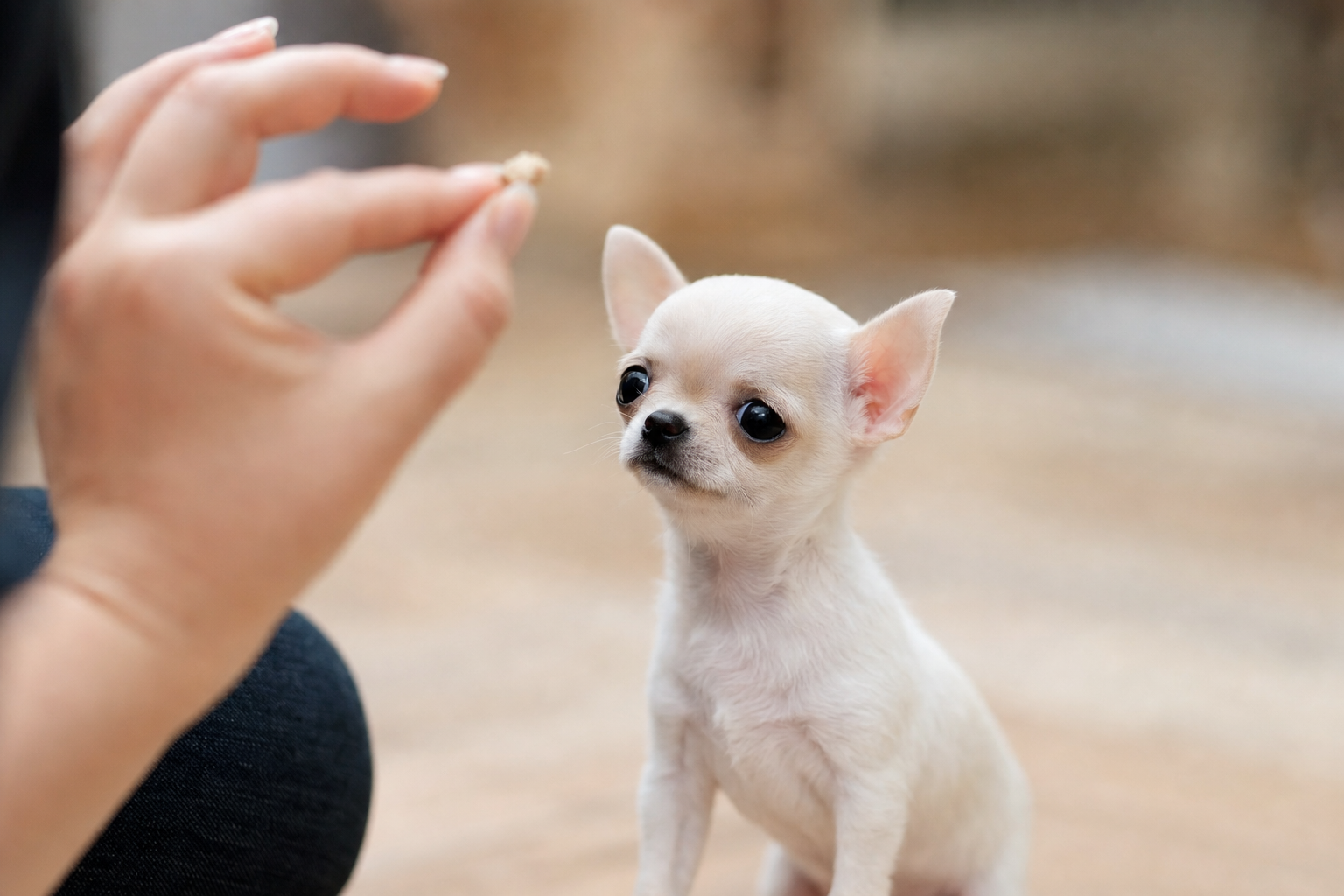
Chihuahua Training Insights for August 2026
LOS ANGELES – As summer routines shift in August, veterinary behaviorists are urging Chihuahua owners to double down on consistent, positive-reinforcement training methods, particularly for potty training and socialization.
What's new today
This month, the prevailing message from leading dog training and veterinary communities is "positive consistency." Recent guidance published in veterinary behavior journals and echoed by AKC-affiliated breeders emphasizes that the biggest training pitfall for Chihuahua owners isn't a lack of love, but a lack of consistent structure. Because of their tiny size, owners often inadvertently skip formal training sessions, carry their puppies everywhere, or overlook small behavioral issues. Experts warn this can lead to challenges later, including separation anxiety and the infamous "small dog syndrome."
For a Chihuahua puppy, especially a teacup Chihuahua or miniature Chihuahua, the world can be intimidating. The current focus is on building confidence through predictable routines. This applies heavily to crate training, which is now framed exclusively as creating a safe, personal "den"—never a place for punishment. Similarly, socialization isn't just about meeting other dogs; it's a structured process of positive exposure to new sounds, surfaces, and experiences during the critical window of 3 to 16 weeks of age.
The latest AVMA guidance on socialization reinforces that these early experiences are paramount for preventing fear and aggression. For Chihuahuas, this means curated, safe interactions that build resilience, ensuring they grow into well-adjusted companions rather than reactive barkers. The consensus is clear: treat your Chihuahua with the same training respect you would a larger breed, and you'll be rewarded with a confident, well-mannered dog.
Key takeaways
- Consistency is Crucial: Vets stress that a predictable daily routine for potty, feeding, and training is the single most important factor for a Chihuahua puppy.
- Positive Reinforcement Prevails: Modern training for Chihuahuas focuses entirely on rewarding good behavior with praise, treats, or toys, rather than punishing mistakes.
- Crate as a Safe Haven: The crate should be a cozy, comfortable den. Recent breeder advice focuses on making it the puppy's favorite place to rest voluntarily.
- Early Socialization is Non-Negotiable: The window between 3 and 16 weeks is critical. Safely exposing your puppy to various sights, sounds, and gentle people is essential for preventing fear-based behaviors.
- Leash Skills Start Early: Use a lightweight harness and start leash training indoors to prevent pulling habits from forming. The goal is a loose, relaxed leash.
- Don't Hesitate to Get Help: If you're struggling, a certified professional dog trainer with small-breed experience can provide invaluable guidance.
Navigating the Search for Your Puppy
The foundation of a well-behaved dog starts with a well-bred one. Finding the right source for your new companion is the first and most important step in your journey.
How do I find a reputable Chihuahua breeder near me?
Start your search with official resources like the AKC Marketplace, which lists breeders who are required to follow certain health and care standards. Local breed clubs are also an excellent resource. A reputable breeder will be transparent, knowledgeable about the breed, and eager to ensure their puppies go to good homes. Looking for chihuahua puppies for sale near me should be the start of a careful research process, not a quick transaction.
How do I know a Chihuahua breeder is legitimate?
A legitimate breeder will welcome your questions and ask you plenty of their own. Key indicators of a reputable breeder include: providing health clearances for the puppy's parents (for genetic conditions like patellar luxation and heart issues), offering a health guarantee, and allowing you to see where the puppies are raised. Red flags include pressure to buy immediately, not allowing you to meet at least the mother dog, and a lack of proper documentation.
What is the difference between an apple head and deer head Chihuahua?
This refers to the shape of the dog's skull. An Apple Head Chihuahua has a round, broad head with a short muzzle set at a 90-degree angle, which is the official AKC breed standard. A Deer Head Chihuahua has a longer, narrower head and a longer muzzle, resembling a young deer. While both can be purebred Chihuahuas, only the Apple Head conformation is accepted in dog shows. Reputable breeders who sell Apple Head Chihuahua puppies for sale will focus on this standard.
What it means for Chihuahua owners
This August, take a moment to assess your training routine. Are you being consistent? Even on busy days, maintaining a strict potty schedule—taking your puppy out first thing in the morning, last thing at night, and after every nap, meal, and play session—is non-negotiable. For a young Chihuahua puppy, this can mean every one to two hours.
Reframe the crate as your puppy's bedroom. Feed them meals in it and provide special chew toys that they only get inside the crate. This builds a powerful positive association. When it comes to socialization, think quality over quantity. A calm, positive introduction to a new vacuum cleaner sound or a friendly, vaccinated adult dog is far more valuable than a chaotic trip to a crowded dog park. Your goal is to build a brave, not overwhelmed, companion.
Expert tips from our breeder
- Potty Training Clockwork: For an 8-12 week old puppy, go outside every 60-90 minutes. Use a specific verbal cue (like "go potty") and reward immediately with a high-value treat upon success.
- Perfect the Crate: Choose a small crate where the puppy can stand up and turn around, but not so large they can potty in one corner and sleep in another. Cover it with a blanket to enhance the den-like feel.
- Socialization Checklist: Aim to introduce your puppy to three new, positive experiences each day. Examples: walking on grass vs. pavement, hearing a doorbell on TV, seeing someone wearing a hat.
- Harness Before Leash: Let your puppy wear a lightweight harness around the house for short periods to get used to the feeling before ever attaching a leash.
Sources & further reading
- American Kennel Club (AKC) - Chihuahua Breed Information
- American Veterinary Medical Association (AVMA) - Puppy Socialization
- Journal of Veterinary Behavior - Recent studies on small breed training
Ready to find your perfect companion? See our available puppies at /puppies or /contact us with any questions.
Educational information only. This briefing is general Chihuahua owner education from the World Class Puppies newsroom. It is not veterinary advice and has not been reviewed by a veterinarian. Care, diet and treatment decisions depend on the individual dog — please follow the guidance of your own licensed veterinarian.