Chihuahua Training Trends: August 2026 Behavior & Socialization Guide
Monday, August 24, 2026 · World Class Puppies Newsroom
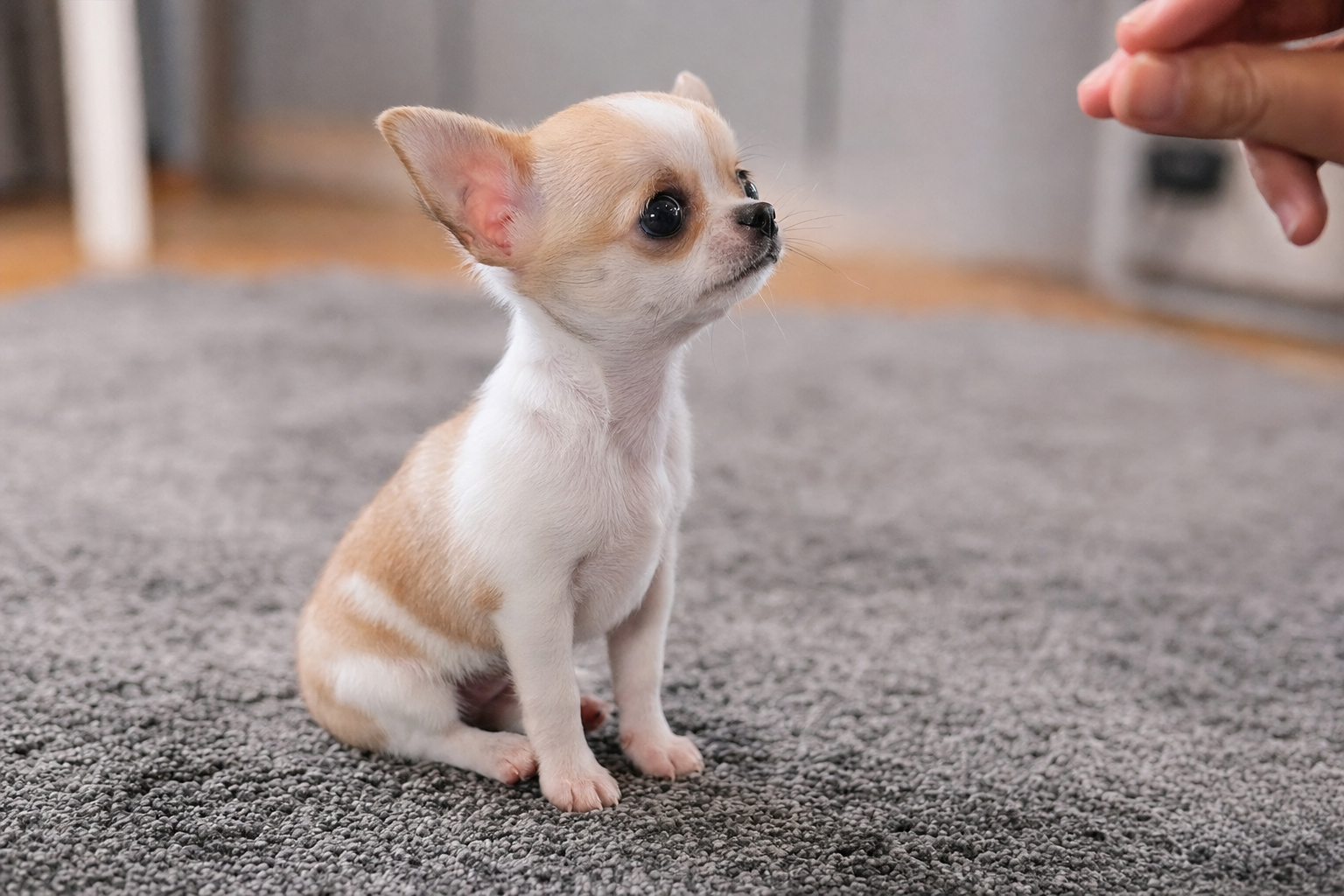
LOS ANGELES — As of August 2026, leading veterinary behaviorists and breeders are emphasizing early, structured socialization as the cornerstone of successful Chihuahua training, linking it directly to preventing common behavioral issues later in life.
What's new today
The latest guidance for August 2026 from veterinary and breeder communities moves beyond simple exposure, focusing on proactive positive socialization. For the Chihuahua, a breed known for its loyalty but also its potential for caution around strangers, this is critical. The trend is to create a 'socialization curriculum' for puppies between 3 and 16 weeks of age. This involves carefully managed, positive introductions to a wide variety of sights, sounds, surfaces, and gentle people, ensuring the puppy feels safe and confident, not overwhelmed.
In potty and crate training, the consensus continues to solidify around positive reinforcement. Punishment-based methods are increasingly discouraged by trainers and vets, who cite potential for creating fear and anxiety, which can worsen house soiling issues. Instead, the focus is on frequent potty breaks, high-value rewards for success, and managing the environment to prevent accidents. The crate is framed exclusively as a safe, comfortable den—a private space for the puppy, never a tool for punishment.
For those seeking a chihuahua puppy, these training principles should be a key topic of discussion with any potential breeder. A reputable breeder will have already started this foundational socialization and can provide guidance on continuing the work once the puppy is home. Whether you are looking for an apple head chihuahua for sale or a beautiful Long Hair Chihuahua, a well-socialized puppy from a knowledgeable breeder sets the stage for a well-behaved companion.
Key takeaways
- Early Socialization is Crucial: The critical window for Chihuahua puppy socialization is 3-16 weeks. Current advice stresses quality over quantity—positive, controlled experiences are better than chaotic ones.
- Positive Reinforcement is the Gold Standard: Reward-based training for potty, crate, and obedience is the most effective and humane method, building a strong bond between you and your puppy.
- Consistency Trumps Intensity: Short, frequent training sessions (5-10 minutes) are more effective for a Chihuahua's short attention span than long, infrequent ones.
- The Crate is a Sanctuary: Modern crate training emphasizes making the crate a safe, desirable den. This helps with house training and gives your Chihuahua a secure space.
- Leash Skills Start Indoors: Before venturing outside, get your Chihuahua comfortable wearing a lightweight harness and leash inside the house for short periods.
- Management Prevents Mistakes: A key to successful potty training is managing the puppy’s environment to prevent accidents, using crates, gates, and constant supervision.
What it means for Chihuahua owners
For prospective or new Chihuahua owners, this news underscores the importance of starting training and socialization on day one. A puppy’s early experiences have a profound impact on their lifelong temperament. This means actively seeking out new, safe experiences for your teacup chihuahua or miniature chihuahua puppy. Think about different floor textures, the sound of a vacuum cleaner from a distance, or meeting a calm, vaccinated adult dog in a controlled setting. Always let your puppy approach new things at their own pace.
When it comes to potty training, establish a strict routine. Take your puppy out first thing in the morning, last thing at night, after every meal, after every nap, and after playtime. When they eliminate outside, offer praise and a special treat immediately. If an accident happens inside, don't scold; clean it with an enzymatic cleaner to eliminate odors and resolve to supervise more closely.
This guidance is a call to be a proactive, educated owner. The work you put in during the first few months will pay dividends for the next 15+ years, resulting in a confident, well-adjusted Chihuahua.
What is the difference between an apple head and deer head Chihuahua?
The primary difference is head shape. An Apple Head Chihuahua has a round, broad head with a short snout meeting the skull at a 90-degree angle, which is the breed standard recognized by kennel clubs like the AKC. A Deer Head Chihuahua has a longer, more tapered snout and a less domed skull, resembling a young deer. While both can be purebred Chihuahuas, only the Apple Head conformation is eligible for show.
How do I find a reputable Chihuahua breeder near me?
Finding a reputable chihuahua breeder involves research. Look for breeders who specialize in Chihuahuas, are transparent about their practices, and perform health screenings on their breeding dogs. They should be willing to answer all your questions, show you where the puppies are raised, and let you meet the puppy's parents if possible. A good breeder provides a health guarantee and lifelong support.
What should I ask a Chihuahua breeder before buying?
Before you buy chihuahua puppy, ask critical questions. Inquire about health screenings for common Chihuahua issues like patellar luxation and heart conditions. Ask about their socialization process—what have the puppies been exposed to? Inquire about the temperament of the parents. Finally, ask about their health guarantee, sales contract, and what kind of support they offer after you take your puppy home.
This article provides educational information on Chihuahua training and is not a substitute for professional advice. Consult a qualified dog trainer or veterinarian to create a plan tailored to your puppy's specific needs. All decisions regarding your Chihuahua's care and training should be made in partnership with your chosen professionals.
Expert tips from our breeder
- Potty Bell: Hang a small bell on the door and teach your puppy to nudge it to signal they need to go out. Tap the bell with their paw every time you go out, and they will quickly make the connection.
- High-Value Recall Treat: For recall training ('come'), use a treat that is exclusively for that command. Small pieces of boiled chicken or cheese work wonders and make them eager to return to you.
- Crate Games: Make the crate fun. Toss treats inside for your puppy to find. Feed their meals in the crate with the door open. This builds a strong positive association.
- Socialization Checklist: Make a list of experiences: car rides, different surfaces (grass, carpet, pavement), sounds (doorbell, hair dryer), and people (hats, glasses, beards). Introduce one new thing each day in a calm, positive way.
Sources & further reading
- AKC: How to Socialize a Puppy
- AVMA: Socialization of Dogs and Cats
- Veterinary Behaviorist Guidelines on Puppy Development
Ready to find your perfect companion? See our available Chihuahua puppies or contact us to learn more.