Chihuahua Nutrition Update: Sept. 2026 Feeding & Safety Guide
Saturday, September 5, 2026 · World Class Puppies Newsroom
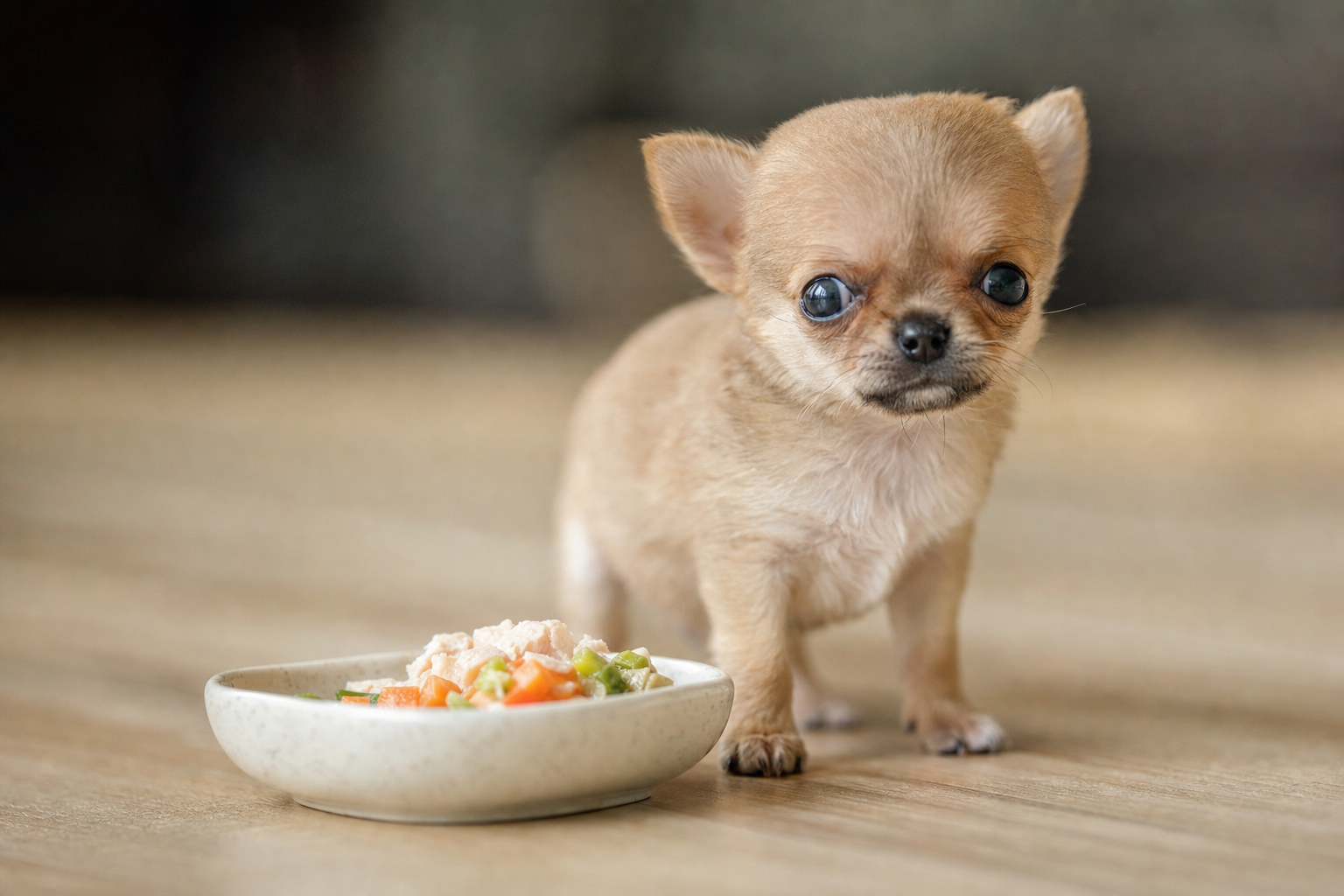
LOS ANGELES — As fall approaches, veterinarians and breeders are re-emphasizing the critical link between precise feeding schedules and preventing life-threatening hypoglycemia in Chihuahua puppies, especially Teacup and Apple Head varieties.
What's new today
The September 2026 consensus across veterinary nutrition and reputable breeder communities is a renewed focus on proactive management of blood sugar in Chihuahuas under one year of age. With their tiny bodies and high metabolism, Chihuahua puppies, particularly miniature and teacup varieties, have minimal fat reserves. This makes them uniquely susceptible to hypoglycemia (a dangerous drop in blood sugar), which can be triggered by missed meals, stress, or even a sudden drop in temperature.
Recent guidance from veterinary sources continues to stress the importance of free-feeding for very young puppies (under 4-5 months and under 3 pounds). This means having high-quality, calorie-dense puppy kibble available 24/7. This approach ensures these tiny dogs can eat small, frequent meals as their bodies demand, stabilizing blood sugar. For older puppies and adult Chihuahuas, a transition to 2-3 scheduled meals per day is often recommended to manage weight and establish a routine. The debate around grain-free versus grain-inclusive diets continues; the prevailing advice is to choose a food from a reputable manufacturer that meets WSAVA (World Small Animal Veterinary Association) guidelines and discuss the best option for your specific Chihuahua with your veterinarian.
Key takeaways
- Hypoglycemia is the #1 risk: For a Chihuahua puppy, a missed meal isn't just an inconvenience; it can be a medical emergency. Consistent access to food is paramount.
- Free-feeding for puppies: Most breeders and many vets recommend allowing Chihuahua puppies under 3 pounds to have constant access to food to self-regulate their intake and prevent blood sugar crashes.
- Calorie density is crucial: Chihuahuas need more calories per pound than larger dogs. Choose a high-quality puppy food specifically formulated for toy breeds.
- Hydration is vital: Always provide fresh, clean water in a shallow, easily accessible bowl. Dehydration can exacerbate other health issues.
- Treats in moderation: Treats should make up no more than 10% of your Chihuahua's daily caloric intake. Use small pieces of their kibble or vet-approved low-calorie treats.
- Transition with age: A Chihuahua puppy's dietary needs are different from an adult's. Work with your vet to transition from free-feeding to scheduled meals and from puppy food to adult food at the appropriate time.
What it means for Chihuahua owners
For anyone with a Chihuahua puppy, especially those looking at a Teacup Chihuahua for sale, understanding this dietary fragility is non-negotiable. Your primary responsibility is to create a 'no-fail' feeding environment. This involves more than just putting food in a bowl; it means ensuring the food is always fresh, the water is clean, and your puppy knows where to find them. Monitor your puppy's eating habits closely, especially in the first few weeks after bringing them home.
A common mistake new owners make is treating their miniature Chihuahua like a larger puppy. They cannot fast for long periods. If your puppy seems lethargic, weak, or disoriented, these are potential signs of hypoglycemia. Having a high-calorie supplement gel (like Nutri-Cal or a similar product) on hand for emergencies is a standard breeder recommendation. A small amount rubbed on the gums can quickly raise blood sugar while you contact your veterinarian. Owning one of these tiny dogs means being vigilant and prepared.
How do I find a reputable Chihuahua breeder near me?
Finding a reputable breeder is crucial for ensuring you get a healthy, well-socialized puppy. Start by looking for breeders who specialize exclusively in Chihuahuas. A legitimate breeder will welcome questions, provide health records for the puppy's parents, and offer a comprehensive health guarantee. They should be transparent about their practices and allow you to see where the puppies are raised. Ask for references and check online reviews, but prioritize direct communication. A breeder who cares more about the puppy's future home than a quick sale is a good sign.
What is the difference between an apple head and deer head Chihuahua?
The primary difference is head shape, as defined by breed fanciers and standards. An Apple Head Chihuahua has a round, broad head with a short muzzle set at a 90-degree angle to the forehead, which is the breed standard for show dogs. A Deer Head Chihuahua has a longer, more sloped muzzle and a narrower head, resembling a young deer. While both are purebred Chihuahuas, the Apple Head look is what is typically seen in the show ring.
How much does a teacup Chihuahua cost?
The term 'Teacup' is a marketing term, not an official breed classification, used to describe very small Chihuahuas. The price for any Chihuahua puppy for sale varies widely based on factors like lineage, coloration (such as blue or merle), conformation to the breed standard, and the breeder's reputation. For specific pricing information on available puppies, it's best to consult our official pricing page. You can learn more at our Chihuahua puppy prices page.
Expert tips from our breeder
- Food Choice: We recommend a premium, calorie-dense dry kibble formulated for toy breed puppies. Brands like Royal Canin Chihuahua Puppy, Hill's Science Diet Small Paws, or Purina Pro Plan Toy Breed are commonly used. Ensure the kibble is tiny and easy for small mouths to chew.
- Emergency Supplement: Always have a tube of high-calorie nutritional gel on hand. We suggest keeping one at home and one in your travel bag. This is your first-response tool for potential hypoglycemia.
- Feeding Schedule: For puppies under 4 months, keep dry food and water available 24/7. After 4-5 months, if your puppy is consistently eating well and maintaining a healthy weight, you can begin transitioning to three scheduled meals per day. Most adults do well on two meals per day.
- Safe Treats: Avoid table scraps, which can cause digestive upset or pancreatitis. The safest 'treat' is a piece of their own kibble. For training, you can use tiny, broken-up pieces of freeze-dried meat treats formulated for dogs.
- Vet Consultation: Your first vet visit should happen within a few days of bringing your puppy home. Use this visit to confirm your feeding plan and discuss a long-term nutritional strategy tailored to your puppy’s specific needs.
Disclaimer: This article is for educational purposes only. It is not a substitute for professional veterinary advice. Please consult with your personal veterinarian to make decisions about your dog's health, diet, and care. They can assess your Chihuahua's individual needs and provide tailored recommendations.
Sources & further reading
- AKC - Chihuahua Breed Information
- AVMA - Feeding Small Breed Dogs
- Tufts University Cummings School of Veterinary Medicine - Petfoodology
Ready to find your new best friend? See our available Chihuahua puppies or contact us with any questions.