Chihuahua Health Briefing for September 2026: Key Vet Wellness Trends
Thursday, September 3, 2026 · World Class Puppies Newsroom
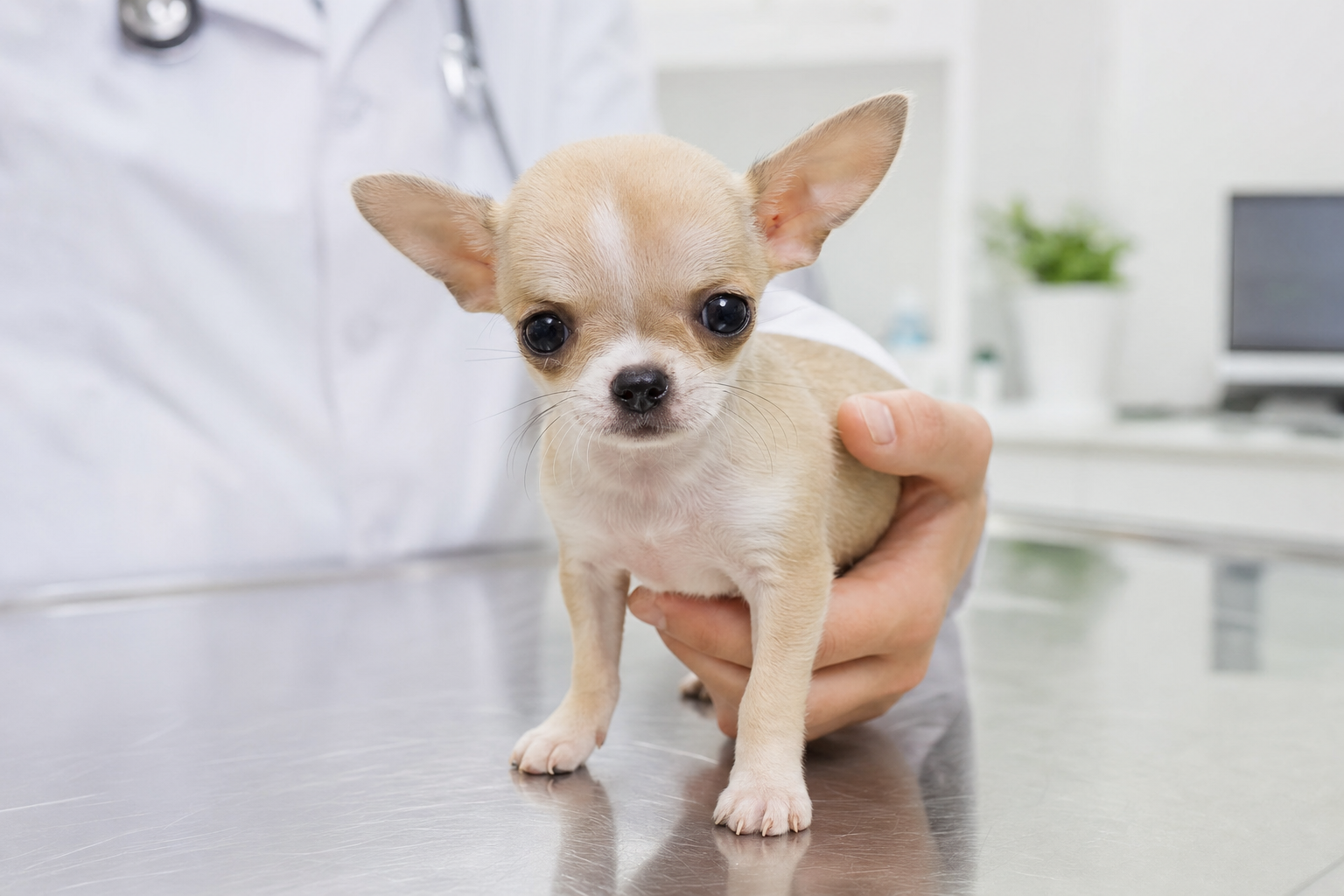
This article is for informational purposes only and is not a substitute for professional veterinary advice. Always consult with your veterinarian for your Chihuahua's specific health needs.
LOS ANGELES, CA – September 3, 2026 – As autumn begins, veterinary and breeder communities are emphasizing proactive wellness for Chihuahuas, with a renewed focus on dental hygiene, joint stability, and individualized vaccination schedules to support the breed's famously long lifespan.
What's new today
Veterinary publications and breeder networks are highlighting the start of fall as an ideal time for a comprehensive wellness check-up for Chihuahuas of all ages, from the energetic chihuahua puppy to the distinguished senior. The current guidance moves beyond reactive treatment, championing preventative strategies to manage common breed-specific conditions before they become serious.
There is a significant emphasis this season on the connection between oral health and systemic health. Recent veterinary discourse clarifies that advanced dental disease is not just a cosmetic issue; bacteria from the mouth can enter the bloodstream and potentially impact the heart, liver, and kidneys. This makes routine dental care a cornerstone of preventative medicine for the breed. Similarly, awareness around patellar luxation (a condition where the kneecap dislocates) is growing. Experts are urging owners to learn the subtle signs, such as an intermittent skip or hop, and to discuss screening with their veterinarian during puppyhood, especially for smaller teacup chihuahua and miniature chihuahua types.
Finally, the conversation around vaccinations continues to evolve. While core vaccines remain non-negotiable for protecting against serious diseases, there is a strong trend toward tailoring non-core vaccine protocols to a dog's individual lifestyle, geography, and exposure risk. This personalized approach is a key topic for owners to discuss with their vets to ensure their Chihuahua dog is protected but not over-vaccinated.
Key takeaways
- Dental Health is Overall Health: Veterinary guidance strongly links routine dental care to preventing more serious systemic issues.
- Early Joint Monitoring: Proactive screening and management for patellar luxation are recommended to maintain mobility and comfort.
- Personalized Vaccinations: The trend is moving away from a one-size-fits-all approach. Owners should partner with their vet to create a tailored schedule.
- Heart Health is Standard: Routine checks for cardiac conditions, like patent ductus arteriosus and mitral valve disease, are a standard part of a thorough wellness exam.
- Prevention is Key to Longevity: The Chihuahua's long lifespan is best supported by consistent, preventative care rather than waiting for problems to arise.
- Breed-Specific Knowledge: Choosing a veterinarian familiar with the unique physiology of Chihuahuas can lead to better health outcomes.
What it means for Chihuahua owners
This renewed focus on preventative care empowers owners to take an active role in their dog's long-term health. Instead of waiting for signs of illness, the guidance is to establish a baseline of health and a regular check-in schedule. For your chihuahua puppy, this means starting a dental care routine early and discussing a growth and development plan with your vet.
For owners of adult Chihuahuas, this is a prompt to look for subtle changes. Is your dog developing bad breath? Have you noticed them occasionally skipping a step with a back leg? These can be early indicators of dental disease or patellar luxation, respectively, and addressing them early can prevent pain and costly interventions later. The goal is a partnership with your veterinarian, where you are the expert on your dog's daily behavior and they are the expert on diagnostics and treatment. This collaboration is crucial for the health of all varieties, including the popular apple head chihuahua and the delicate long haired chihuahua.
What is the difference between an apple head and deer head Chihuahua?
The primary difference is the head shape. An Apple Head Chihuahua has a round, apple-domed skull with a near 90-degree angle where the muzzle meets the forehead (called the "stop"). This is the conformation preferred in the AKC breed standard. A Deer Head Chihuahua has a longer muzzle, a more sloped forehead, and typically a larger frame, resembling a tiny deer.
How do I find a reputable Chihuahua breeder near me?
Finding a reputable breeder involves research. Look for chihuahua breeders who specialize exclusively in the breed, are transparent about their practices, and perform health testing on their breeding dogs. A legitimate breeder will welcome questions, provide a health guarantee, and want to know about the home their chihuahua puppies for sale are going to. Searching online for phrases like chihuahua breeder Los Angeles or chihuahua breeder California is a starting point, but always follow up by vetting their reputation, reviewing their policies, and speaking with them directly.
How much does a teacup Chihuahua cost?
"Teacup" is a marketing term for the smallest Chihuahuas, not an official classification. The cost of a teacup chihuahua for sale varies significantly based on the breeder's reputation, the puppy's lineage, size, and unique features. For a detailed breakdown of factors influencing cost, it is best to review our guide on /chihuahua-puppy-prices.
Expert tips from our breeder
- Start Dental Care Immediately: Many veterinarians suggest brushing your Chihuahua's teeth daily with a vet-approved toothpaste. The sooner you introduce this routine to your
chihuahua puppy, the more accepting they will be. - Protect Their Joints: Prevent your Chihuahua from jumping on and off high furniture. Using pet stairs or ramps can significantly reduce the cumulative stress on their knees and back.
- Schedule Wellness Exams: Many veterinarians suggest annual or semi-annual wellness exams to catch potential issues early. Decide on the right schedule with your own veterinarian, especially for tiny puppies or seniors.
- Feed for Stability: Provide a high-quality, calorie-dense food formulated for small dogs. This is vital for preventing hypoglycemia (low blood sugar), a risk for all Chihuahuas, particularly very small or young ones.
- Discuss Lifestyle with Your Vet: Before your puppy's vaccination appointments, be ready to discuss their lifestyle. Will they travel, go to dog parks, or be around many other dogs? This helps your vet recommend appropriate non-core vaccines.
Sources & further reading
- AKC Breed Health Information: Chihuahua
- American Veterinary Medical Association (AVMA) Pet Owner Resources
- Cornell Feline Health Center: A Guide to Your Cat's Vaccinations (provides general insight into vaccination principles)
Explore our available chihuahua puppies at /puppies or /contact us to learn more.