Chihuahua Health Briefing: Top Vet Priorities for September 2026
Wednesday, September 16, 2026 · World Class Puppies Newsroom
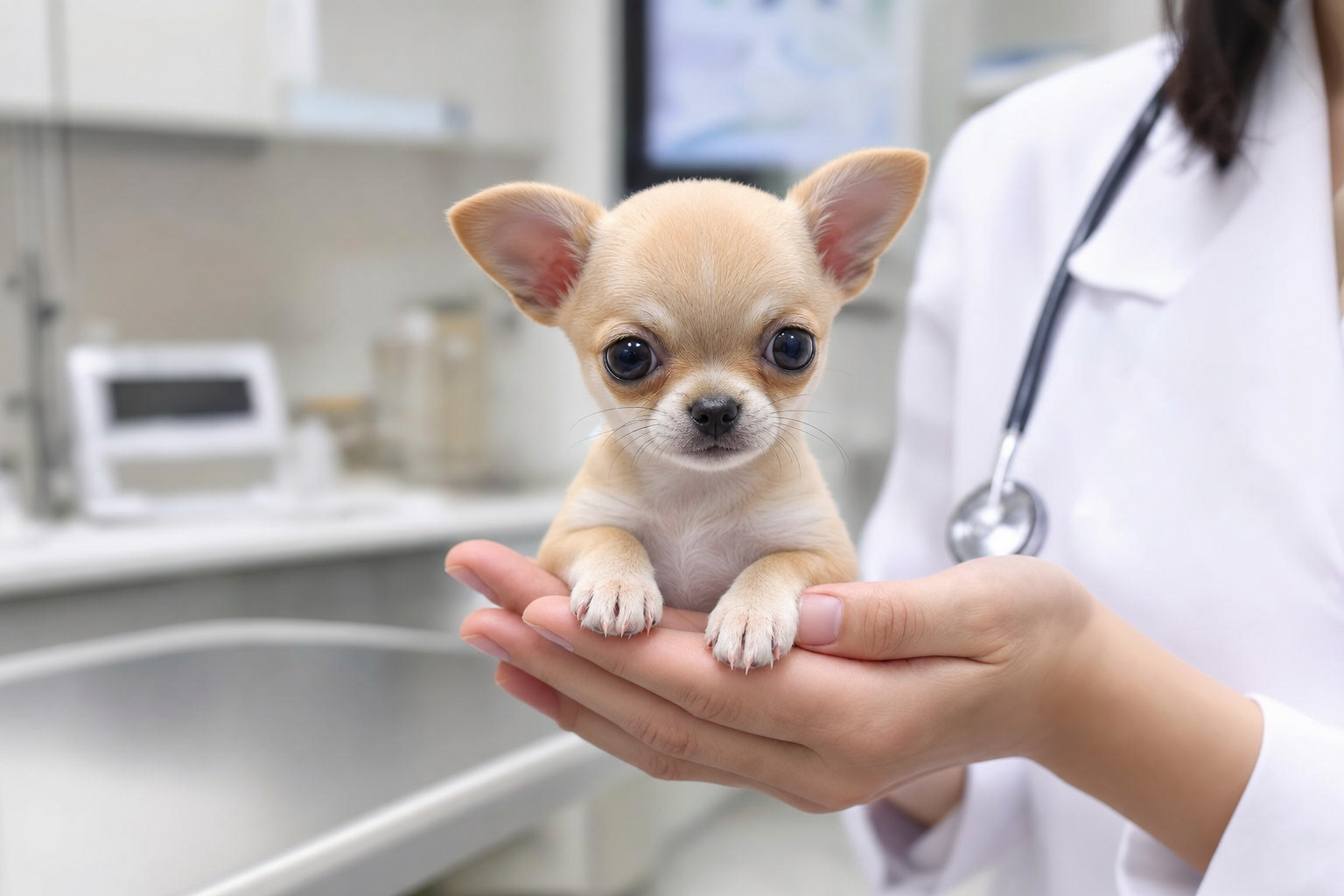
LOS ANGELES — As autumn begins, veterinary professionals are renewing their focus on proactive wellness for Chihuahuas, emphasizing early screening for common genetic conditions and consistent dental care to ensure a long, healthy life.
What's new today
This September, the conversation in veterinary and responsible breeder circles is centered on prevention over cure. For the Chihuahua, a breed known for its long lifespan but specific health vulnerabilities, this means a shift toward more vigilant early-stage care. Recent guidance from veterinary publications highlights three primary areas: advanced dental hygiene, proactive joint assessment, and routine cardiac monitoring.
Dental disease remains a top concern. Due to their compact jaws and potential for tooth crowding, particularly in Apple Head Chihuahuas, the breed is highly susceptible to periodontal issues. The current thinking encourages owners to begin a dental care routine while their dog is still a Chihuahua puppy, rather than waiting for tartar buildup to become a problem. This includes regular brushing and providing dental-appropriate chew toys.
Similarly, there's a growing emphasis on early screening for patellar luxation (slipping kneecaps), a common orthopedic issue in many small breeds. Instead of waiting for a pronounced limp, many veterinarians now advise a baseline check during the first year. This allows for early intervention, which can sometimes involve physical therapy and weight management to strengthen supporting muscles, potentially delaying or avoiding surgery. This proactive approach is vital for maintaining the mobility of an active miniature Chihuahua or a tiny teacup Chihuahua.
Key takeaways
- Dental Health is Paramount: Veterinary consensus urges starting a dental care regimen in puppyhood to combat the high risk of periodontal disease in Chihuahuas.
- Early Joint Screening: Proactive checks for patellar luxation before one year of age can help manage the condition with less invasive methods.
- Heart Health is a Priority: Regular cardiac exams are essential due to the breed's predisposition to certain heart conditions like mitral valve disease.
- Tailored Vaccinations: Discuss a personalized vaccination schedule with your vet that reflects your Chihuahua's specific lifestyle and exposure risks.
- Weight Management is Key: Maintaining a lean body condition is one of the most effective ways to reduce stress on joints, the heart, and other organs.
- Know Your Breeder: A reputable breeder will be transparent about the health screenings performed on their puppies' parents, including checks for known genetic issues.
What it means for Chihuahua owners
For those who own or are looking for a Chihuahua for sale, this focus on proactive health is empowering. It means you can play a significant role in ensuring your companion lives a longer, more comfortable life. Don't dismiss a slight skip in your dog's step or occasional bad breath. These can be early indicators of patellar luxation or dental problems that are far easier to manage when caught early.
When you bring home a new Chihuahua puppy, establishing a relationship with a trusted veterinarian is one of the most important first steps. This partnership is crucial for creating a long-term wellness plan. This plan should include a schedule for vaccinations, parasite prevention, and annual wellness exams that specifically check for the breed's common ailments. For owners in major metropolitan areas, from Chihuahuas Los Angeles to Miami, finding a vet experienced with tiny breeds is a valuable asset.
What is the difference between an apple head and deer head Chihuahua?
The primary difference lies in their head shape. An Apple Head Chihuahua has a round, broad head with a short snout meeting the skull at a 90-degree angle, which is the AKC breed standard. A Deer Head Chihuahua has a longer, more tapered head with a longer snout, resembling that of a young deer. While both make wonderful pets, only the Apple Head shape is recognized in show rings.
How do I find a reputable Chihuahua breeder near me?
A reputable breeder prioritizes health, temperament, and socialization. Look for breeders who are transparent, provide a comprehensive health guarantee, and are willing to answer all your questions. They should volunteer information about genetic health testing on the parent dogs and raise puppies in a clean, stimulating home environment, not a cage. Searching for "Chihuahua breeders California" or your specific state is a start, but always follow up with thorough vetting.
Can a Chihuahua puppy be shipped or hand-delivered to my city?
Yes, many ethical breeders offer safe transportation options for their puppies. For the safety and comfort of a small teacup Chihuahua puppy, this is almost always done via a professional flight nanny who carries the puppy in-cabin. This ensures the puppy is supervised, comfortable, and safe throughout the journey. For those looking at Chihuahua puppies for sale in Los Angeles or Bel Air, local pickup or delivery is often an option, while those in other states can inquire about hand-delivery services. For more details, see our policies on our /contact page.
Expert tips from our breeder
- Start Brushing Early: Begin brushing your Chihuahua puppy's teeth 3-4 times a week with a vet-approved enzymatic toothpaste for dogs. Make it a positive, routine experience.
- Schedule a Joint Check: Ask your veterinarian to perform a baseline check for patellar luxation at your puppy’s one-year wellness exam.
- Measure Their Meals: Use a measuring cup to feed a high-quality, small-breed specific kibble. Do not free-feed, as this can easily lead to obesity, which worsens joint and heart issues.
- Discuss Vaccinations: Do not assume a standard vaccination protocol is best. Talk to your vet about your Chihuahua's specific exposure risks to create a tailored plan.
- Annual Heart Auscultation: Ensure your vet listens carefully to your Chihuahua's heart at every annual checkup to catch any murmurs or irregularities early.
This article provides general educational information on Chihuahua health and is not a substitute for professional veterinary advice. Always consult with your personal veterinarian to make decisions about your dog's health, diet, and medical care.
Sources & further reading
- Patellar Luxation in Small Dogs - AVMA
- Chihuahua Breed Health Concerns - AKC
- Canine Dental Health: A Guide for Owners - AAHA
Explore our available puppies at [/puppies] or contact us for more information at [/contact].