The September 2026 Guide to Your Chihuahua Puppy's Critical Milestones
Saturday, September 19, 2026 · World Class Puppies Newsroom
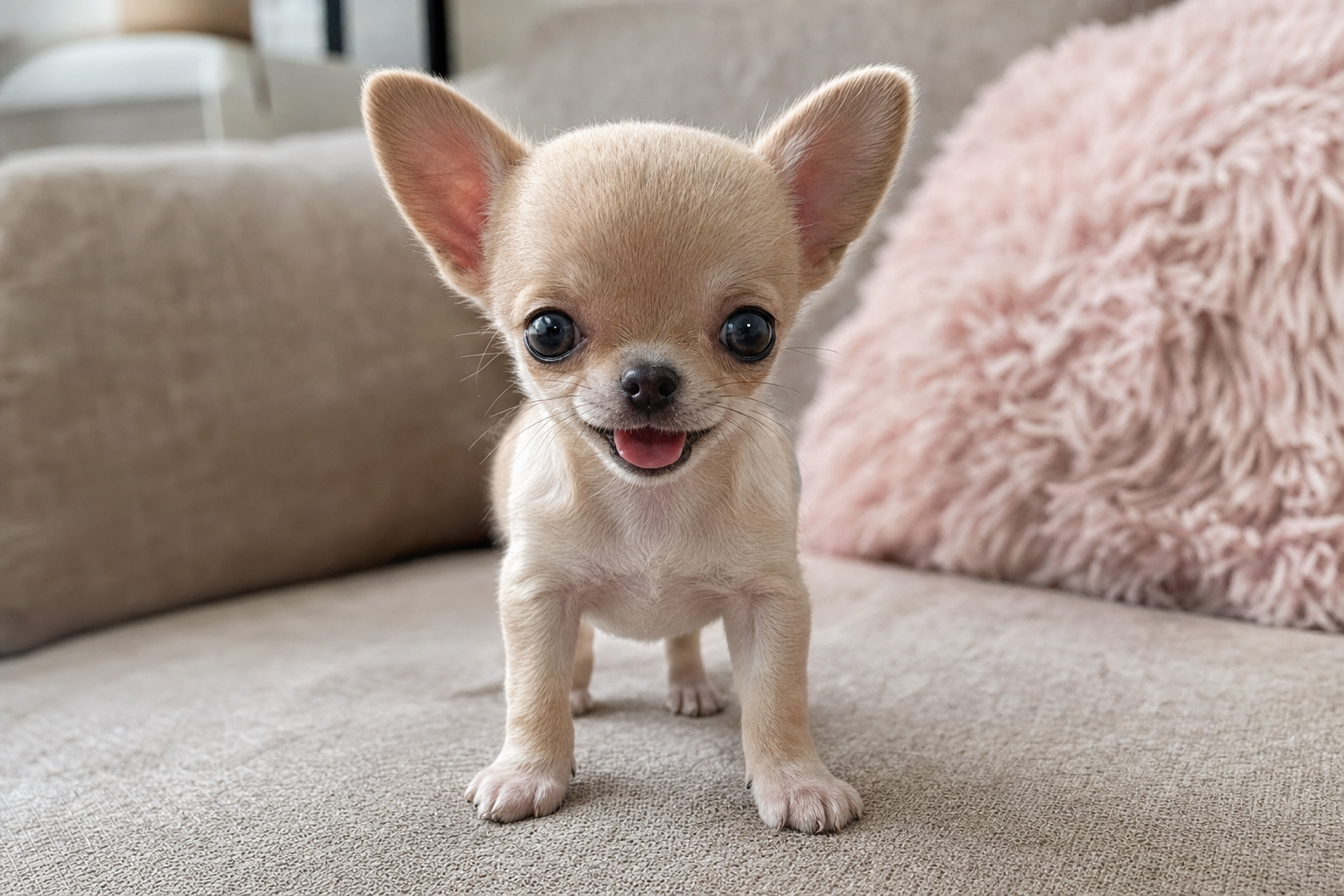
LOS ANGELES – As September continues, veterinary experts are highlighting the irreplaceable socialization period for Chihuahua puppies, urging new owners to focus on structured, positive experiences before 16 weeks of age.
What's new today
The current consensus among veterinary behaviorists, reputable Chihuahua breeders, and canine wellness experts is a renewed emphasis on the "critical socialization window." This period, lasting from approximately 3 to 16 weeks of age, is the most influential time in a puppy's life for developing social skills and a confident temperament. What a Chihuahua puppy learns—and doesn't learn—during these few months can shape their behavior for life.
Recent guidance from veterinary associations underscores that early, positive socialization is a key component of preventative behavioral health. For a sensitive and intelligent breed like the Chihuahua, this is paramount. The goal is to create a resilient dog that can handle new situations without excessive fear or anxiety. This involves more than just meeting other dogs; it's about carefully introducing the puppy to a wide variety of sights, sounds, surfaces, and gentle handling. Many high-quality breeders now implement early neurological stimulation and "puppy culture" programs to give their litters a head start before they even go to their new homes.
This early autumn season is an ideal time for new owners to engage in safe socialization activities. The mild weather allows for short, exploratory walks in different environments, from a quiet park path in Beverly Hills to the gentle bustle of a pet-friendly outdoor cafe. The focus is on quality over quantity, ensuring each new experience for your mini Chihuahua is positive and not overwhelming.
Key takeaways
- The Critical Window: The period between 3 and 16 weeks is the most important time for a Chihuahua puppy’s social and psychological development.
- Preventing Fear: Early, positive socialization is the best way to prevent common behavioral issues like fearfulness, reactivity, and anxiety in adult Chihuahuas.
- Quality over Quantity: Socialization means controlled, positive introductions to new people, environments, sounds, and other vaccinated, friendly dogs—not overwhelming them at a busy dog park.
- Developmental Milestones: Alongside socialization, a puppy is rapidly developing motor skills, learning about the world through their mouth (requiring bite inhibition training), and beginning house training.
- Routine is Key: A predictable daily schedule for feeding, sleeping, playing, and potty breaks provides the structure a young Chihuahua puppy needs to feel secure.
- Breeder's Role: A responsible breeder begins the socialization process long before a puppy is sold, providing a crucial foundation for the new owner to build upon.
What it means for Chihuahua owners
Bringing home a new Chihuahua puppy is an exciting time, but it also comes with significant responsibility. The first few weeks are not just about cuddling; they are a foundational period for building the confident, well-adjusted companion you envision. For owners of a tiny Teacup Chihuahua or a classic Apple Head Chihuahua, this means actively managing their environment and experiences.
Instead of isolating your puppy until their vaccinations are complete, a decision you should make with your veterinarian, current veterinary guidance often encourages safe socialization. This can include carrying your puppy through a store, having visitors handle the puppy gently at home, or arranging playdates with known, healthy, and vaccinated adult dogs. The key is to avoid high-risk areas like public dog parks while still exposing your puppy to the world in a controlled way.
This proactive approach helps your Chihuahua puppy learn that new things are not scary. It teaches them to trust you and builds a strong bond that will last a lifetime. Neglecting this phase can lead to a dog that is perpetually fearful of strangers, other animals, or unfamiliar environments, which is a common but preventable issue in small breeds.
What is the difference between an apple head and deer head Chihuahua?
An Apple Head Chihuahua has a round, dome-like head with a short muzzle meeting the skull at a 90-degree angle, which is the breed standard recognized by the American Kennel Club (AKC). A Deer Head Chihuahua has a longer muzzle, a more sloped forehead, and often longer legs. Both are purebred Chihuahuas, but only the Apple Head conformation is eligible for show competitions under AKC rules. Many people seek an apple head chihuahua for sale for its distinct look.
How do I find a reputable Chihuahua breeder near me?
Finding a reputable breeder is crucial. Look for chihuahua breeders who are transparent, provide a comprehensive health guarantee (see our /health-guarantee), and perform health screening on their breeding dogs. A good breeder will ask you many questions to ensure you're a suitable home, act as a lifelong resource, and will not always have chihuahua puppies for sale. They should be happy to show you where the puppies are raised, even if it's via video call for biosecurity reasons.
Can a Chihuahua puppy be shipped or hand-delivered to my city?
Yes, but safety is the top priority. Ethical breeders will not ship puppies as cargo. Instead, they utilize professional flight nannies who keep the puppy in the cabin with them for the entire journey. This service allows for the safe, personal delivery of a chihuahua puppy to major cities and private airports, including hand-delivery services for clients seeking chihuahuas Los Angeles, chihuahuas Bel Air, or in other exclusive areas.
Expert tips from our breeder
- Create a Crate Sanctuary: The crate should be your puppy's safe den, not a place of punishment. Make it comfortable and introduce it with high-value treats and toys to build a positive association.
- Practice the 'Rule of Sevens': A common breeder guideline suggests that by 12 weeks, a puppy should have experienced seven different surfaces (e.g., carpet, grass, pavement), played with seven different types of objects, been to seven different safe locations, and met seven new people.
- Potty Training Consistency: Young puppies need frequent opportunities to go outside. Take your
chihuahua puppyout first thing in the morning, last thing at night, after every meal, nap, and play session. Use a consistent spot and verbal cue to help them learn quickly. - Positive Vet Visits: Your puppy's first vet visits set the tone for the future. Make them positive experiences. Bring their favorite treats and ask the veterinary staff to give your puppy lots of praise and gentle handling. Many veterinarians suggest an initial visit within days of bringing your puppy home—always decide on a health schedule with your own trusted veterinarian.
- Prevent Hypoglycemia: Due to their tiny size, Chihuahua puppies, especially
teacup chihuahuapuppies, are prone to low blood sugar (hypoglycemia). They must eat small, frequent meals. Follow the feeding schedule provided by your breeder and veterinarian meticulously.
Sources & further reading
- AKC - The Importance of Socializing Your Puppy
- AVMA - Socialization of dogs and cats
- Reputable breeder best practice guides and veterinary behavioral medicine publications.
This article is for educational purposes only and is not a substitute for professional veterinary advice. Always consult with your veterinarian regarding your Chihuahua's health and wellness.
See our available Chihuahua puppies or contact us to learn more.