Chihuahua Puppy Socialization: The August 2026 Guide to Milestones
Friday, August 7, 2026 · World Class Puppies Newsroom
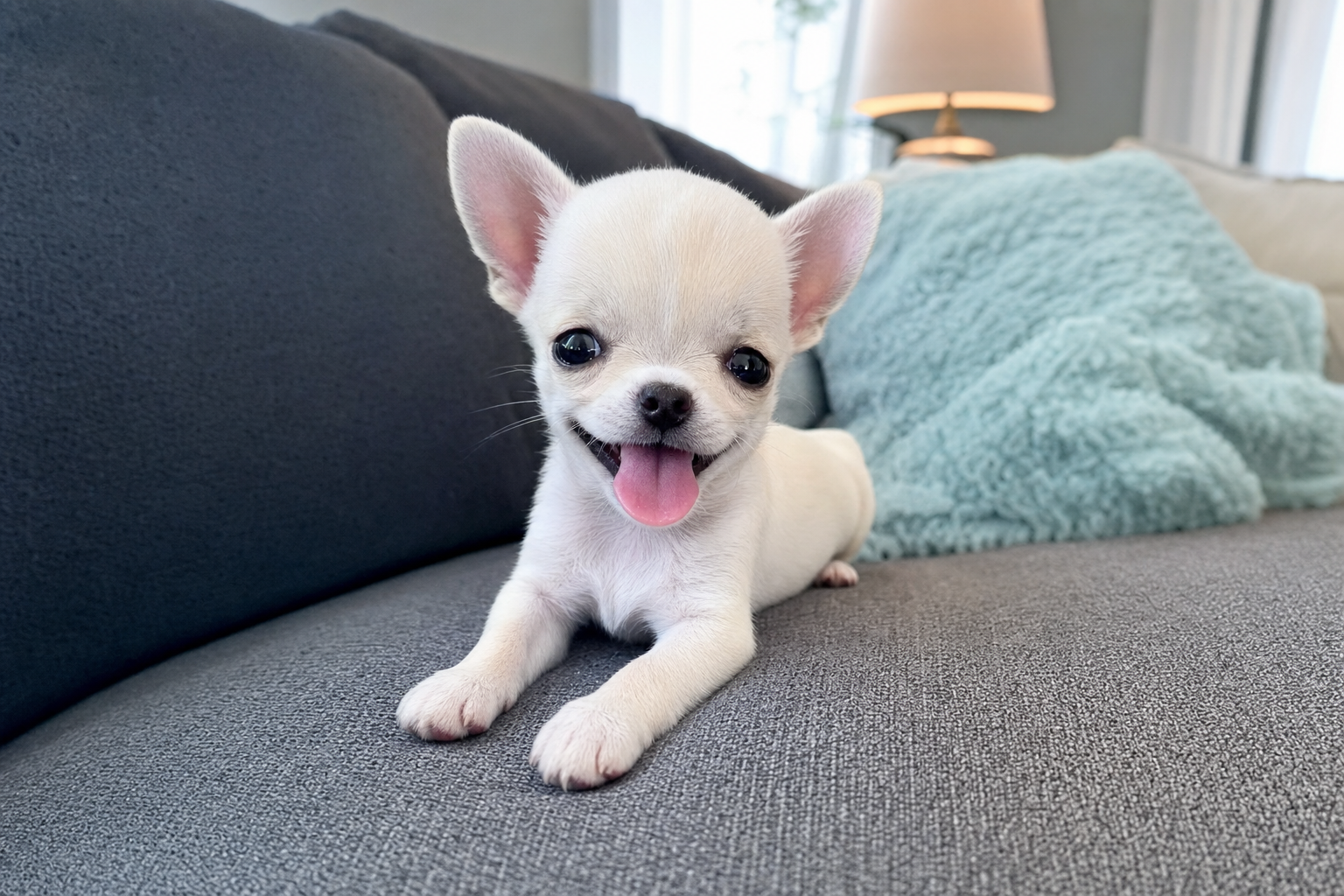
LOS ANGELES — As the summer season continues, veterinary behaviorists are emphasizing the crucial, time-sensitive nature of Chihuahua puppy socialization, offering new guidance for owners to raise confident, well-adjusted dogs.
What's new today
Veterinary experts and reputable Chihuahua breeders are issuing a unified message this August: the window for foundational puppy socialization is brief and critically important. According to guidance from veterinary behaviorist societies, the primary socialization period for a puppy occurs between 3 and 16 weeks of age. During this time, a Chihuahua puppy's brain is uniquely wired to accept new sights, sounds, and experiences without fear. What they learn (or fail to learn) now will shape their temperament for life.
The latest professional consensus moves beyond simply exposing a puppy to new things. The focus is now on the quality and positivity of these interactions. For a small dog like a Chihuahua, and especially a tiny teacup chihuahua, a single frightening experience with an overly boisterous large dog or a clumsy human can instill lasting fear. Breeders are increasingly implementing structured 'puppy culture' programs from birth, ensuring that by the time you search for chihuahua puppies for sale, the pups have already been exposed to various gentle sounds, textures, and handling in a safe, controlled environment. This early work is vital for developing a stable, friendly companion.
This renewed focus is a response to common behavioral issues seen in adult Chihuahuas, such as fear-based reactivity and excessive barking, which often stem from inadequate or improper socialization. Whether you have a long-haired miniature chihuahua or a classic apple head chihuahua, the principles are the same: create a series of positive, controlled, and diverse experiences to build a foundation of confidence that will last a lifetime.
Key takeaways
- Critical Window: The most important socialization period for a
chihuahua puppyis from 3 to 16 weeks of age. - Quality Over Quantity: The goal is to create positive, fear-free experiences, not just to expose the puppy to as much as possible.
- Vaccination and Safety: Work with your vet to create a socialization plan that safely balances exposure with vaccination protocols.
- Structured Classes: Reputable puppy kindergarten classes offer a controlled environment for safe socialization with other puppies and people.
- Diverse Experiences: Introduce your puppy to various sounds (vacuum, traffic), surfaces (grass, pavement, carpet), people (of all ages), and gentle, vaccinated dogs.
- Ongoing Process: While the early window is foundational, socialization is a lifelong commitment to reinforcing your dog's confidence.
What it means for Chihuahua owners
For the owner of a new chihuahua puppy, this guidance translates into a proactive, hands-on role in your dog’s early development. Given their small size, Chihuahuas require a carefully managed approach. Avoid busy dog parks where a teacup chihuahua puppy could be easily overwhelmed or injured. Instead, arrange one-on-one playdates with calm, gentle adult dogs you know are fully vaccinated and have a good temperament.
When introducing your puppy to new environments, use a puppy sling or carrier. This allows them to observe the world from a safe vantage point, processing new sights and sounds without feeling threatened. Let them choose when to engage. When meeting new people, ensure they approach calmly, ideally from the side, and offer a high-value treat. This teaches your puppy that new people are a source of good things. Proactive socialization is the single best tool to prevent the stereotypical 'yappy' or 'nippy' Chihuahua behavior, which is almost always rooted in fear, not aggression.
How do I find a reputable Chihuahua breeder near me?
A reputable breeder is your partner in raising a healthy, well-tempered dog. To find one, start with the AKC Marketplace or local breed club referrals. A legitimate breeder will welcome questions, provide health clearances for the puppy's parents, and show you where the puppies are raised. They specialize in Chihuahuas and will not have multiple breeds or constant availability of chihuahua puppies for sale near me.
What is the difference between an apple head and deer head Chihuahua?
The primary difference lies in the skull's shape. An apple head chihuahua has a round, domed head with a 90-degree angle where the muzzle meets the forehead, which is the official AKC breed standard. A deer head Chihuahua has a longer muzzle and a more sloped skull, resembling a fawn. While both make wonderful pets, only the Apple Head is permitted in the show ring.
Is a micro teacup Chihuahua a real size?
"Micro," "pocket," and teacup chihuahua are marketing terms, not official sizes recognized by the AKC. They describe Chihuahuas that are smaller than the breed standard maximum of 6 pounds. While many people search for a teacup chihuahua for sale, it's crucial to work with an ethical breeder who prioritizes health over extreme size, as miniaturization can sometimes be associated with significant health problems.
Expert tips from our breeder
- Create a Socialization Checklist: For the first month, aim to introduce your puppy to one new thing each day. This can be the sound of a hair dryer, walking on a crinkly tarp, meeting a person in a hat, or a short, positive car ride.
- Prioritize Safe Handling: Gently handle your puppy's paws, ears, and mouth daily, pairing the experience with treats. This will prepare your
mini chihuahuafor future vet exams and grooming without fear. - Vet-Approved Puppy Class: Enroll your
chihuahua puppyin a professionally run puppy kindergarten as soon as your vet clears them after their initial vaccinations (usually around 10-12 weeks). This is the safest way to socialize with other puppies. - Control the Environment: Always advocate for your puppy. If a person or another dog is too boisterous, calmly remove your puppy from the situation. Your job is to be their safe space and protector.
Sources & further reading
- AKC - Chihuahua Breed Information
- AVMA - Socialization of Dogs
- American Veterinary Society of Animal Behavior - Position Statement on Puppy Socialization
Explore our available puppies at /puppies or reach out to our team via /contact.
Educational information only. This briefing is general Chihuahua owner education from the World Class Puppies newsroom. It is not veterinary advice and has not been reviewed by a veterinarian. Care, diet and treatment decisions depend on the individual dog — please follow the guidance of your own licensed veterinarian.