Chihuahua Puppy Milestones: Your September 2026 Daily Routine Guide
Tuesday, September 1, 2026 · World Class Puppies Newsroom
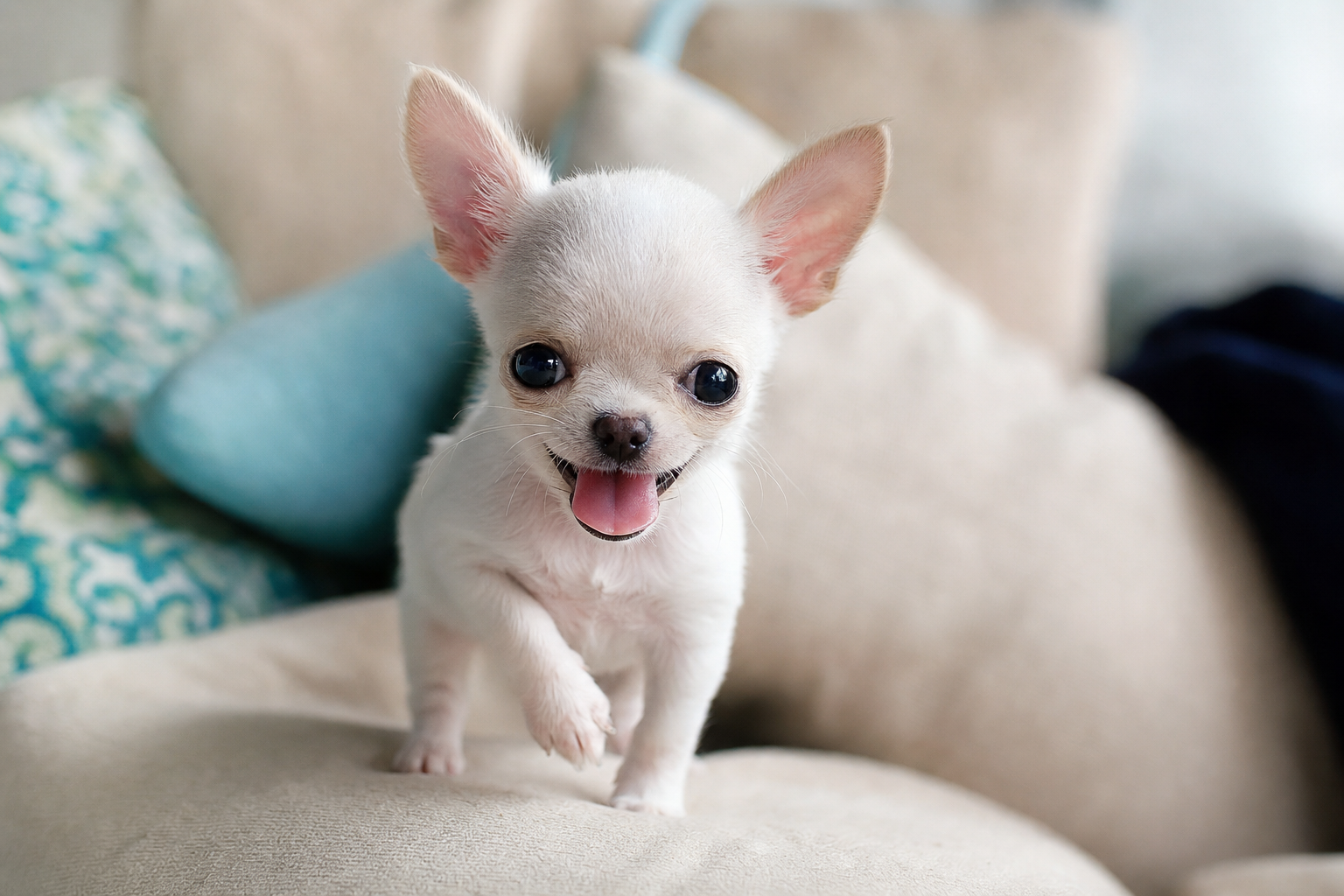
NEWSROOM — September 1, 2026 — As summer winds down, veterinary behaviorists and breeders are emphasizing the critical importance of a structured daily routine for Chihuahua puppies, especially those between 8 and 16 weeks old, to ensure a smooth transition into well-adjusted adulthood.
What's new today
This month, the focus across canine wellness publications is on predictability and consistency. With changing household schedules as fall begins, establishing a firm daily rhythm for a Chihuahua puppy is paramount. Recent guidance from training experts highlights that puppies thrive on knowing what to expect. This reduces anxiety and helps prevent common behavioral issues like excessive barking or separation anxiety, to which the breed can be prone.
The critical socialization window for puppies—roughly 3 to 16 weeks of age—is a major topic. The American Veterinary Medical Association (AVMA) continues to stress that early, positive exposure to various sights, sounds, and gentle handling is more crucial than ever for developing a confident adult dog. For a Teacup Chihuahua or a standard-sized one, this means carefully managed experiences that build confidence without overwhelming their delicate nature. The consensus is clear: a well-socialized puppy grows into a more stable and happy companion.
Breeders are also noting a surge in questions about integrating a new puppy into a home office environment, a lasting trend. The advice is to establish crate training and independent play early, even when you're home, to prevent dependency. A miniature Chihuahua can easily become a constant lap dog, but fostering independence is key for its long-term mental health.
Key takeaways
- Routine is King: A predictable schedule for meals, potty breaks, naps, and playtime is the foundation for a well-behaved Chihuahua puppy.
- Socialization Window: The period from 3 to 16 weeks is a non-negotiable time for positive exposure to new people, places, and sounds.
- Early Training: Begin simple commands like 'sit' and 'stay' using positive reinforcement as soon as your puppy settles in.
- Independence Matters: Encourage short periods of solo play and rest in a crate or playpen to build confidence and prevent separation anxiety.
- Health & Safety: Consistent mealtimes are vital for preventing hypoglycemia in small puppies. Ensure their environment is puppy-proofed against hazards.
What it means for Chihuahua owners
For families who have recently found Chihuahua puppies for sale and brought one home, this guidance translates into creating a tangible daily schedule. A typical day should involve waking up and immediately going out for a potty break, followed by breakfast. Playtime should be short (10-15 minute bursts) to avoid over-exhaustion, interspersed with frequent naps in a designated safe space like a crate.
This is also the perfect time to explore different types of Chihuahuas you may be interested in. Many prospective owners have specific questions about appearance and lineage.
What is the difference between an apple head and deer head Chihuahua?
The primary difference is the head shape, as defined by breed enthusiasts. An Apple Head Chihuahua has a round, broad head with a short muzzle meeting the skull at a near 90-degree angle, which is the hallmark of the breed standard. A deer head Chihuahua, while not a separate breed, describes a dog with a narrower head, longer muzzle, and larger ears, resembling a young deer. Both can be wonderful pets.
How do I find a reputable Chihuahua breeder near me?
A reputable breeder prioritizes the health, temperament, and well-being of their dogs over profit. Look for breeders who are transparent, ask you questions, provide health guarantees, and allow you to see where the puppies are raised. They should be a resource for you throughout the dog's life. Avoid those who offer multiple different breeds or seem hesitant to show you their facilities.
What should I ask a Chihuahua breeder before buying?
Before you buy a Chihuahua puppy, ask about the parents' health history, any genetic testing performed, and the puppy's socialization from birth. Inquire about their vaccination and deworming schedule, the food they're currently eating, and ask to see the puppy's living environment. A responsible breeder will welcome these questions and provide clear, honest answers.
Expert tips from our breeder
- Feeding Schedule: For a young Chihuahua puppy (8-12 weeks), offer high-quality puppy food 3-4 times per day on a strict schedule to help regulate blood sugar and prevent hypoglycemia. Do not free-feed.
- Potty Training: Take your puppy out first thing in the morning, last thing at night, and every 2-3 hours in between, as well as after every nap, meal, and play session. Consistency is the only way to succeed.
- Socialization Checklist: Each week, aim to introduce your puppy to a few new things in a controlled, positive way: a vacuum cleaner at a distance, a friendly visitor, a short car ride, or walking on a different surface like grass or pavement.
- Handling Practice: Gently handle your puppy's paws, ears, and mouth daily for a few seconds. This prepares them for future vet visits and grooming, making the experiences less stressful.
Sources & further reading
- AKC - Breed Temperament & Training
- AVMA - The Importance of Puppy Socialization
Ready to find your new best friend? See our available Chihuahua puppies or contact us to learn more about our program.