Chihuahua Puppy Milestones: Your September 2026 Breeder Guide
Thursday, September 24, 2026 · World Class Puppies Newsroom
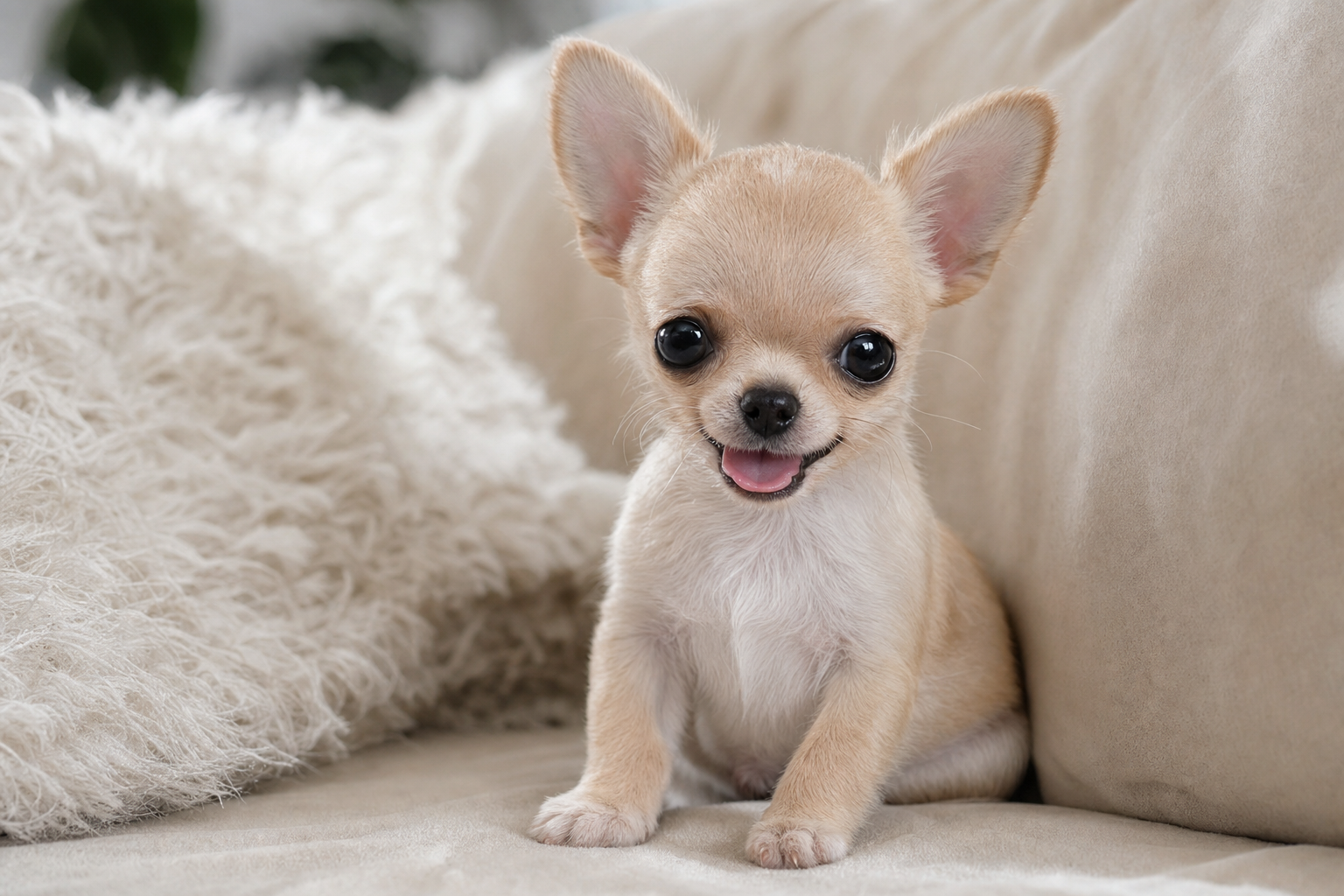
LOS ANGELES — As autumn begins, veterinary and breeder guidance for new Chihuahua puppy owners is focusing on establishing solid routines and navigating critical developmental milestones before the holiday season.
What's new today
With the arrival of September, the conversation among Chihuahua experts centers on the crucial socialization window, which is most effective between 3 and 16 weeks of age. This period is paramount for developing a confident, well-adjusted adult dog. Current guidance from veterinary behaviorists emphasizes that early, positive, and controlled exposure to new sights, sounds, and gentle strangers is more important than waiting for a full series of vaccinations to be complete, provided high-risk environments are avoided. The goal is to build positive associations, not to overwhelm the puppy.
This fall, the focus is on leveraging the season. As outdoor activities wane, breeders are advising new owners to create structured indoor socialization opportunities. This includes introducing the chihuahua puppy to common household noises like vacuum cleaners and blenders from a safe distance, as well as inviting vaccinated, calm dogs over for short, supervised playdates. The changing weather also underscores the importance of potty training consistency. Experts recommend sticking to a strict schedule, even when it's chilly or rainy, to solidify good habits.
For those looking for a chihuahua for sale, particularly a teacup chihuahua, this season highlights the need for diligent care. Smaller puppies are more sensitive to temperature drops and require extra vigilance to prevent hypoglycemia. Reputable breeders are increasingly providing comprehensive care kits and detailed instructions to help new owners manage these early weeks successfully.
Key takeaways
- Critical Socialization Window: The period from 3 to 16 weeks is vital. Focus on positive, controlled introductions to new experiences.
- Fall Routine Adjustments: Use the changing season to solidify indoor routines, including noise desensitization and consistent potty training schedules.
- Health and Safety First: For tiny puppies like the
mini chihuahua, managing body temperature and blood sugar is a top priority as the weather cools. - Teething is Imminent: Most Chihuahua puppies begin teething around 3-4 months. Have appropriate chew toys ready to redirect chewing behavior.
- Veterinary Partnership: Establishing a relationship with a veterinarian early is key. Many vets suggest a first visit within days of bringing a new puppy home.
- Consistency is King: A predictable schedule for feeding, sleeping, and potty breaks helps a
chihuahua puppyfeel secure and learn faster.
What it means for Chihuahua owners
For the owner of a new Chihuahua puppy, this guidance translates into a clear action plan for the fall months. The primary task is to create a predictable and enriching environment. This means establishing a non-negotiable daily schedule: wake-up time, potty breaks every 1-2 hours, scheduled meals, designated playtimes, and enforced nap times in a crate or pen. A tired puppy is often a cranky puppy, and Chihuahuas, despite their small size, need structure to thrive.
Socialization should be a deliberate, daily activity. This doesn't mean a trip to a crowded dog park. It means carrying your puppy through a quiet store, letting them see people from the safety of your arms, and having a friend come over for a calm interaction. The goal is quality over quantity. Documenting these new experiences can help you track your puppy's progress and identify any emerging fears that need gentle counter-conditioning.
This is also the time to puppy-proof your home for the impending teething phase. Electrical cords should be covered, and valuable items moved out of reach. Providing a variety of safe chew toys, such as soft rubber toys or puppy-specific dental chews, will save your furniture and teach your apple head chihuahua for sale what is and isn't acceptable to chew on.
What is the difference between an apple head and deer head Chihuahua?
The primary difference lies in the skull shape. An apple head chihuahua has a round, apple-shaped dome with a short muzzle meeting the head at a 90-degree angle, which is the breed standard recognized by the American Kennel Club (AKC). A deer head Chihuahua has a longer, more sloped head, a longer muzzle, and often larger ears, resembling a young deer. While both make wonderful companions, only the apple head conformation is preferred in show rings.
How do I find a reputable Chihuahua breeder near me?
Finding a reputable breeder requires research beyond a simple search for "chihuahua puppies for sale near me." Look for breeders who are transparent about their practices, provide a comprehensive health guarantee, and are happy to answer all your questions. A legitimate breeder, such as those serving areas like Chihuahuas Los Angeles, will prioritize the health and temperament of their puppies, often specializing in specific types like long haired chihuahua for sale or apple head chihuahua for sale. They should provide veterinary records and allow you to see where the puppies are raised, either in person or via video call.
How much does a teacup Chihuahua cost?
The price of a teacup chihuahua for sale can vary significantly based on factors like size, conformation, coat color (e.g., merle or blue), and the breeder's reputation and location. Extremely small or uniquely colored puppies often command a higher price due to their rarity. For a detailed explanation of pricing factors and current ranges, it is best to consult a breeder's official pricing information. You can learn more by visiting our page on Chihuahua puppy prices.
Expert tips from our breeder
- Feeding Schedule: For a tiny
chihuahua puppyunder 3 pounds, free-feeding (leaving dry food out all day) is often recommended to prevent hypoglycemia. Also, offer a high-calorie supplement like Nutri-Cal 2-3 times a day. - Crate Training: Make the crate a happy place. Feed meals in the crate and provide special toys that are only available there. Never use it for punishment.
- Potty Training: Take your puppy out immediately after waking up, after playing, and after eating. Use a consistent verbal cue ("go potty") and reward success with high-value treats and praise.
- Teething Solutions: Offer frozen washcloths or puppy-safe freezable teething rings to soothe sore gums. Always supervise your puppy with any chew toy.
- Safe Socialization: Carry your puppy in a sling or bag in public places until they are fully vaccinated. This allows them to experience the world without being exposed to pathogens on the ground.
Sources & further reading
This article is for educational purposes only and is not a substitute for professional veterinary advice. Always consult with your veterinarian to make health decisions for your Chihuahua.
See our available puppies at /puppies or contact us at /contact or by phone at +1-840-688-0490 or email at genasax@icloud.com.