Your Chihuahua Puppy's September 2026 Milestones & Routine
Sunday, September 6, 2026 · World Class Puppies Newsroom
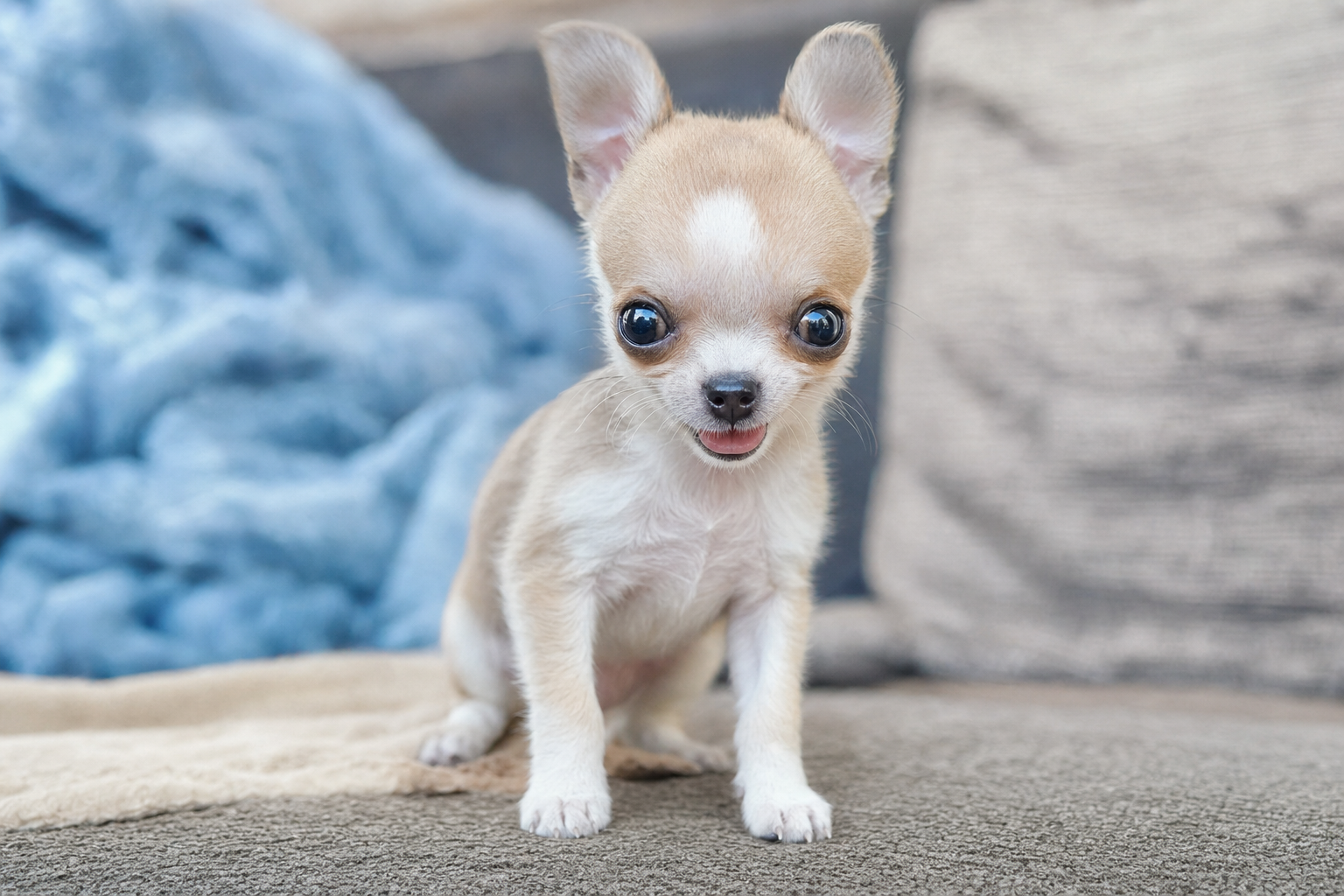
PACIFIC PALISADES, CA — September 6, 2026 — As summer vacations end and households settle into fall rhythms, veterinary and breeder guidance this month emphasizes the critical role of routine and structured socialization for the developmental milestones of Chihuahua puppies.
What's new today
The consensus among canine behavior experts and reputable Chihuahua breeders is clear: the period between 8 and 16 weeks is a foundational window for a puppy's lifelong temperament. With the unstructured days of summer giving way to more predictable September schedules, now is the ideal time to establish a consistent daily routine for your chihuahua puppy. This structure helps prevent anxiety and builds confidence, particularly in sensitive small breeds.
Recent publications from veterinary behaviorist circles highlight that a predictable schedule of feeding, potty breaks, naps, and playtime is not just about house training; it's about creating a sense of security. For a tiny teacup chihuahua or miniature chihuahua, knowing what to expect from its day significantly reduces stress. This guidance pushes back against the idea of constant, unstructured play, instead favoring short, positive training and socialization sessions followed by ample quiet time for the puppy to process and rest.
This month's focus also extends to the quality of socialization. Rather than overwhelming a puppy with chaotic environments, the advice is to curate positive, controlled experiences. This means brief, happy introductions to new sights, sounds, and gentle people, ensuring the puppy feels safe, not scared. This approach is especially important for the distinctive Apple Head Chihuahua, known for its alert and curious nature.
Key takeaways
- Routine is Security: A predictable daily schedule for feeding, potty, play, and sleep is crucial for a Chihuahua puppy’s sense of safety.
- The Socialization Window: The period from 8 to 16 weeks is paramount. Focus on positive, controlled introductions to new experiences.
- Short Bursts of Activity: Chihuahua puppies have small energy reserves. Keep training and play sessions short (5-10 minutes) to avoid overstimulation and fatigue.
- Potty Training Consistency: With fall routines, it's easier to implement a strict potty schedule (e.g., after every nap, meal, and play session), leading to faster house training.
- Crate Training as a Safe Haven: Introduce a crate as a comfortable den, not a punishment. This gives your puppy a secure space to retreat to when tired or overwhelmed.
- Early Vet Visits: Use early vet check-ups not just for health but to create a positive association with the clinic environment.
What it means for Chihuahua owners
For those who have recently brought home a chihuahua puppy or are looking at chihuahua puppies for sale, this guidance means prioritizing structure from day one. Create a simple, written schedule and stick to it. This consistency is your best tool for raising a well-adjusted, confident companion. For example, a morning might look like: potty break first thing, breakfast, a short play session, another potty break, and then a scheduled nap in their crate.
This structured approach is particularly vital in preventing common behavioral issues like separation anxiety. When a puppy learns that you will return and that quiet alone time is a normal part of the day, it's less likely to panic when left by itself. The end of summer provides a natural opportunity to build this foundation as family schedules become more regular. Whether you have a long-haired or smooth-coat variety, the developmental needs are the same.
What is the difference between an apple head and deer head Chihuahua?
The primary difference lies in their head shape, which is the most distinguishing feature. An Apple Head Chihuahua has a round, broad head with a short snout meeting the skull at a near 90-degree angle, which is the AKC breed standard. A Deer Head Chihuahua has a longer, more tapered head with a longer muzzle, resembling a young deer. While both are purebred Chihuahuas, many breeders specialize in the popular Apple Head Chihuahua look.
Expert tips from our breeder
- Feeding Schedule: Feed a high-quality puppy food designed for small breeds in 3-4 small meals spread throughout the day. This helps maintain stable blood sugar levels and prevents hypoglycemia, a risk in tiny puppies.
- Socialization Checklist: Make a list of things for your puppy to experience safely: the sound of a vacuum cleaner from another room, walking on carpet vs. tile, seeing a person in a hat. Keep experiences brief and positive.
- Crate Comfort: Make the crate inviting with a soft bed and a special toy that's only available in the crate. Feed meals in the crate with the door open to build a positive association.
- Handling Practice: Gently handle your puppy's paws, ears, and mouth daily for a few seconds, followed by a treat. This prepares them for grooming and veterinary exams.
How do I find a reputable Chihuahua breeder near me?
Finding a reputable breeder involves research. Look for breeders who specialize in Chihuahuas, are transparent about their practices, and perform health screenings on their parent dogs. A good breeder will welcome questions, provide a clean and stimulating environment for their puppies, and want to know about the home you will provide. Avoid those who sell through pet stores or have multiple litters constantly available.
What should I ask a Chihuahua breeder before buying?
Ask about the health and temperament of the puppy's parents, what health screenings they've had, and if you can see the results. Inquire about the puppy’s socialization, what food they are eating, and what vaccinations they have received. A responsible breeder will also provide a health guarantee. For more information on our practices, see our /health-guarantee page.
This article is for educational purposes only and does not constitute medical advice. The operational and health policies described are general; for specifics, please consult with your own veterinarian and review our official policies on puppy pricing and health guarantees.
Explore our available Chihuahua puppies for sale at /puppies or contact our breeder at /contact.