Your Chihuahua Puppy's First Year: A Guide for October 2026
Thursday, October 1, 2026 · World Class Puppies Newsroom
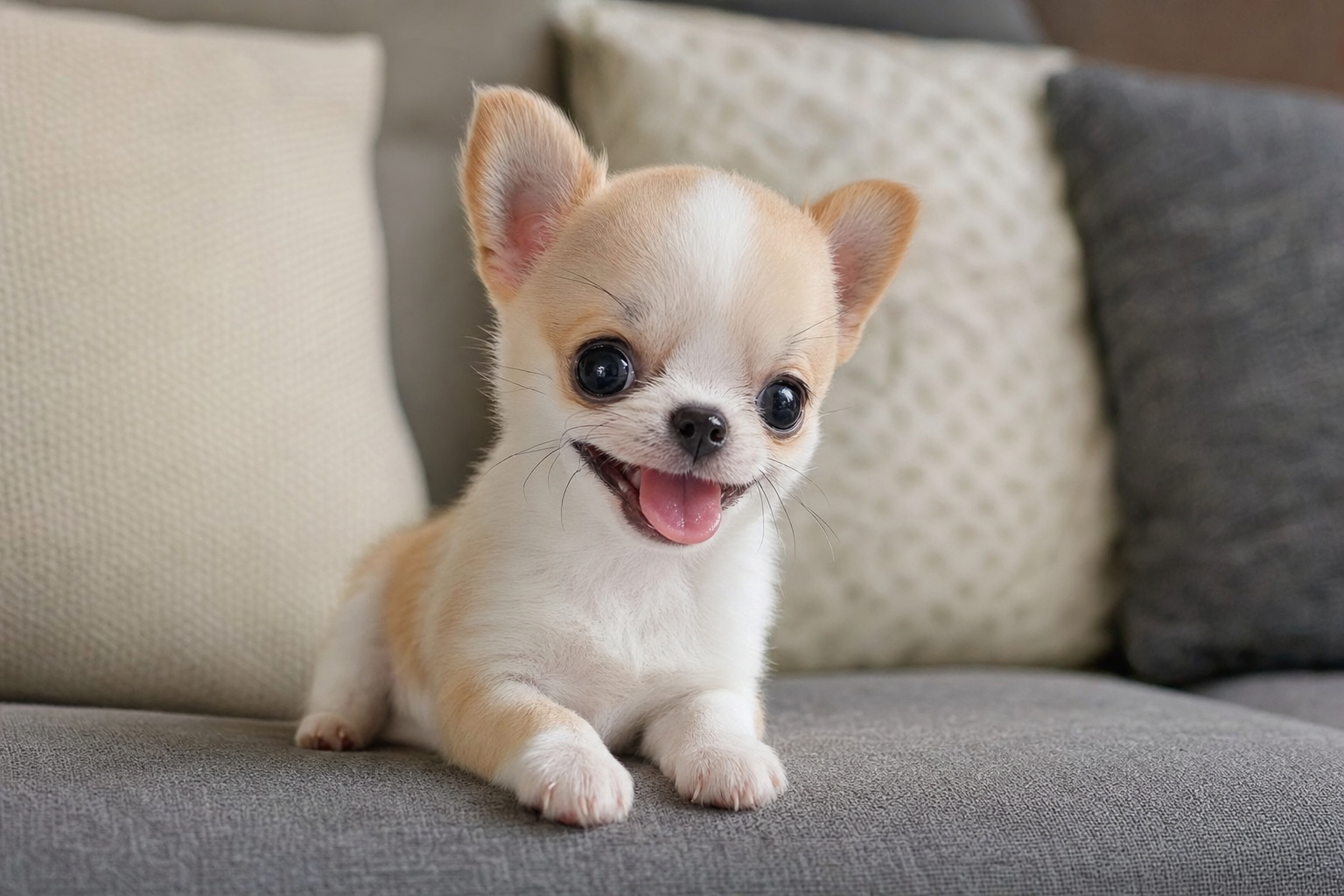
LOS ANGELES — New guidance for fall 2026 highlights the irreplaceable value of early, structured socialization and routine-building during a Chihuahua puppy's critical first 12 months of life.
What's new today
As families settle into autumn routines, veterinary behaviorists and reputable Chihuahua breeders are emphasizing the foundational importance of a puppy's first year. Current expert consensus stresses that the period from 8 to 16 weeks is a paramount socialization window that shapes a Chihuahua's temperament for life. This isn't just about meeting other dogs; it's about positive exposure to a wide array of sights, sounds, surfaces, and gentle handling experiences. The goal is to build confidence, not create fear.
Recent articles in veterinary publications reinforce that early, positive experiences are the best defense against common small-dog behavioral issues like fear-based aggression or separation anxiety. The guidance suggests that while protecting a young puppy's health is vital, responsible socialization can and should happen in parallel with their vaccination schedule. This involves controlled environments like puppy classes with other vaccinated puppies, carrying the puppy through public spaces, and having visitors interact with them calmly at home.
For those seeking a chihuahua puppy, this renewed focus means the selection of a breeder is more critical than ever. A quality breeder begins this socialization process long before a puppy goes to its new home, providing a significant head start. This early work is a key differentiator when you're looking for chihuahua puppies for sale near me.
Key takeaways
- The Critical Window: The primary socialization period for a Chihuahua puppy is between 3 and 16 weeks. Experiences during this time have a lasting impact on their adult personality.
- Routine is King: Establishing predictable schedules for feeding, potty breaks, and sleep from day one helps a
miniature chihuahuafeel secure and speeds up house training. - Health First: Key health milestones include completing the initial vaccination series and discussions with a vet about spaying/neutering. Many veterinarians suggest this procedure once the puppy is healthy and has reached a certain stage of maturity, a decision best made with your personal vet.
- Teething and Chewing: From 4 to 6 months, expect your puppy to teethe. Providing appropriate chew toys is essential to save your furniture and teach good habits.
- Fear Periods: Puppies go through fear periods (often around 8-11 weeks and again at 6-14 months). During these times, it's crucial to be patient and avoid traumatic experiences.
- Training Starts Immediately: Basic commands and house rules should be introduced immediately using positive reinforcement. A
teacup chihuahuais intelligent and eager to learn.
What it means for Chihuahua owners
For prospective or new Chihuahua owners, this guidance means being proactive from the moment you decide to bring a puppy home. Your role is to be a confident and calm leader, curating a world of positive new experiences for your tiny companion. This doesn't mean overwhelming them; it means introducing new things in short, happy sessions.
If you live in an urban environment like Los Angeles, this might involve carrying your apple head chihuahua puppy to an outdoor cafe (where they can observe from the safety of your lap), taking short car rides, or letting them walk on different surfaces like grass, pavement, and carpet in a safe, clean area. The goal is to teach them the world is a safe, interesting place. Consistency in training and daily routines provides the structure they need to thrive and grow into a well-mannered, confident adult dog.
What is the difference between an apple head and deer head Chihuahua?
This is one of the most common questions from those looking to buy a chihuahua puppy. The primary difference is head shape. An Apple Head Chihuahua, which is the breed standard recognized by the American Kennel Club (AKC), has a round, apple-shaped dome with a short muzzle meeting the head at a 90-degree angle. A Deer Head Chihuahua has a longer, more sloped head, a longer muzzle, and often larger ears, resembling a young deer. While both can be purebred Chihuahuas, only the apple head conformation is eligible for show.
How do I find a reputable Chihuahua breeder near me?
Finding a reputable breeder is crucial for ensuring you get a healthy, well-socialized puppy. Look for breeders who are transparent and willing to answer all your questions. They should provide a health guarantee, show you where the puppies are raised, and let you meet at least one of the parent dogs. Avoid breeders who won't allow visitors, seem to have constant availability, or pressure you into a quick sale. Whether you're searching for chihuahua breeders Los Angeles or elsewhere, these principles apply.
What should I ask a Chihuahua breeder before buying?
Before committing, arm yourself with questions. Ask about health screenings performed on the parent dogs for genetic conditions. Inquire about their socialization process: what sights, sounds, and experiences have the puppies had? Ask about the temperament of the parents, the food the puppies are eating, and what vaccination and deworming protocols they have started. A great breeder will appreciate your diligence and will have plenty of questions for you, too.
Expert tips from our breeder
- Establish a 'Potty Pad' Zone: From day one, create a designated indoor potty area with a pad. Take your puppy there immediately after they wake up, after playing, and after eating. Praise them lavishly when they use it.
- Prevent Hypoglycemia: Tiny
teacup chihuahua puppiesare prone to hypoglycemia (low blood sugar). Ensure they eat every 2-3 hours. A high-quality puppy food and a supplement like Nutri-Cal can be a lifesaver. - Socialize Safely: Before vaccinations are complete, carry your puppy in a sling or bag on errands. This exposes them to the world from a safe vantage point. Invite vaccinated, calm adult dogs over for gentle play dates.
- Begin Crate Training: Introduce a crate as a safe, cozy den—not a punishment. Feed them meals in the crate and provide special toys they only get inside it. This helps with house training and creates a secure space for them.
- Handle with Care: Gently handle your puppy's paws, ears, and mouth daily. This prepares your
long haired chihuahuafor future grooming and vet visits, making them less stressful.
This article is for educational purposes only and is not a substitute for professional veterinary advice. Consult your veterinarian for guidance on your Chihuahua puppy's specific health and wellness needs.
Sources & further reading
- American Kennel Club - Chihuahua Breed Information
- American Veterinary Medical Association - New Puppy Information
Explore our available Chihuahua puppies or contact us to learn more about our program.