Chihuahua Puppy Milestones: Your August 2026 Vet & Breeder Guide
Sunday, August 2, 2026 · World Class Puppies Newsroom
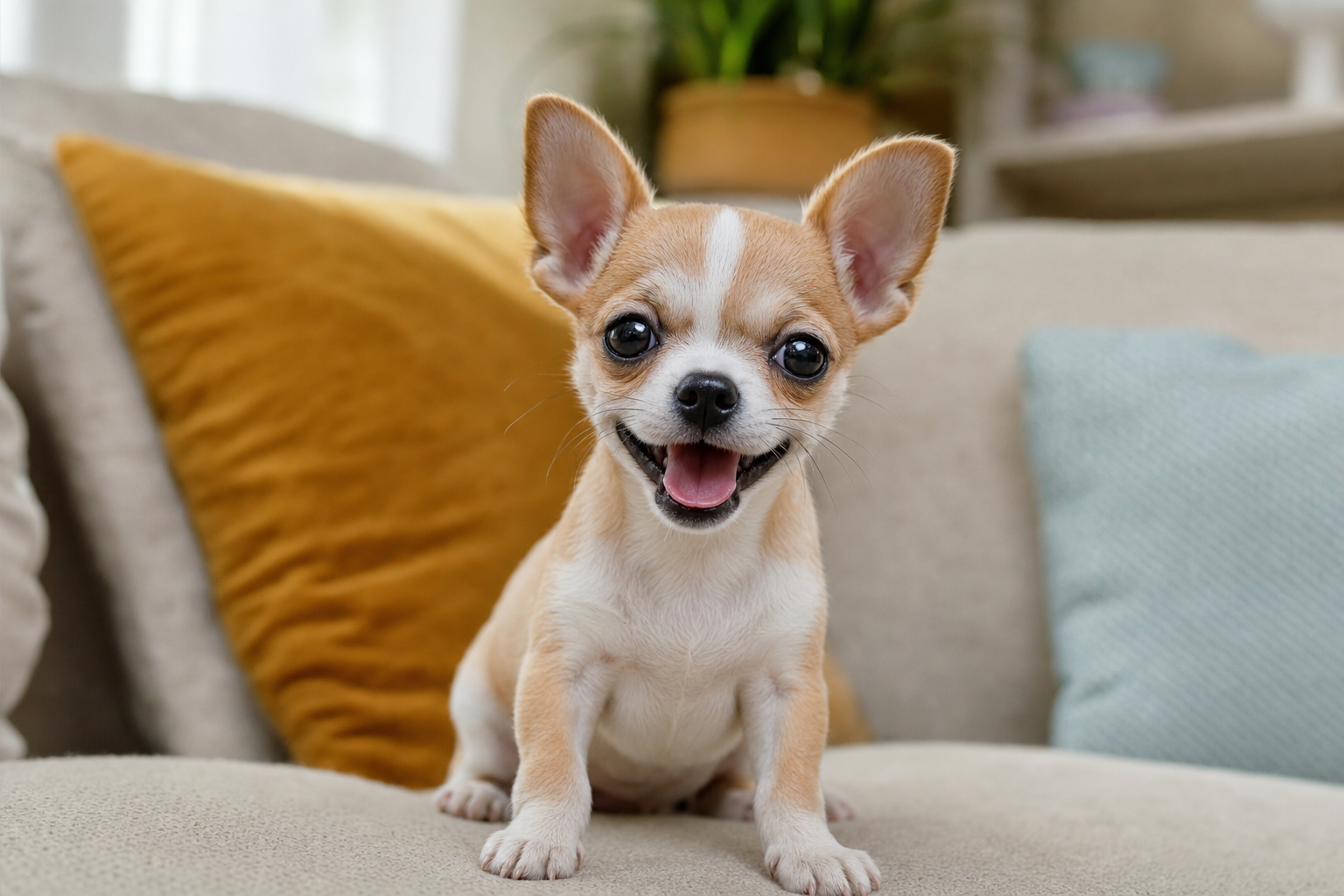
Dateline: August 2, 2026 — Veterinary behaviorists and breeders are issuing updated guidance for late summer, urging new Chihuahua puppy owners to prioritize structured, positive socialization to shape a confident and well-adjusted adult dog.
What's new today
As we move through August, a consensus is building across veterinary publications and reputable breeder networks: the window for effective Chihuahua puppy socialization is not just important, it's foundational to preventing common behavioral issues like fear-based aggression and separation anxiety later in life. Recent AI search data shows a spike in queries like "Is my Chihuahua puppy playing or scared?" and "how to socialize a tiny puppy," highlighting owner uncertainty during this crucial phase. The current expert advice moves beyond simple exposure, emphasizing quality over quantity in social interactions for puppies between 8 and 16 weeks of age.
Guidance from sources like the American Veterinary Medical Association (AVMA) stresses that for small, delicate breeds like the Chihuahua, positive experiences are paramount. A single frightening encounter with a larger, boisterous dog can have a more significant negative impact than it would on a more robust breed. Therefore, the focus for August 2026 is on curated experiences: controlled meetings with calm, vaccinated dogs; exposure to various sounds at a low volume; and gentle handling by different people. This proactive approach aims to build a 'socialization savings account' of good experiences that the puppy can draw from when faced with novel situations in the future.
Breeders are echoing this sentiment, reporting that puppies who undergo this type of structured socialization settle into their new homes more quickly and exhibit fewer anxiety-related behaviors. The key takeaway is that socialization isn't just about meeting other dogs; it's about building a puppy's confidence in navigating the human world, from the sound of a vacuum cleaner to the sight of a person wearing a hat.
Key takeaways
- The Critical Window: The primary socialization period for a Chihuahua puppy is between 8 and 16 weeks. Experiences during this time have a profound impact on their adult temperament.
- Quality over Quantity: One positive, calm interaction is better than ten chaotic ones. Focus on creating safe and controlled social and environmental exposures.
- Recognize Stress Signals: Learn to identify signs of fear in your Chihuahua puppy, such as tail tucking, lip licking, yawning, and attempting to hide. End the interaction before they become overwhelmed.
- Early Habits Matter: Routines established now, including crate training and alone time, help prevent separation anxiety, a common issue in this loyal breed.
- Vet Check-In is Key: Your vet should be a partner in this process, confirming your puppy is healthy enough for socialization and offering advice on safe local options like small-breed puppy classes.
- Household Harmony: Socialization includes getting used to all aspects of the home environment. Introduce new sights, sounds, and textures gradually and positively.
What it means for Chihuahua owners
For the owner of a new Apple Head or Teacup Chihuahua puppy, this guidance translates into a clear action plan. Instead of taking your puppy to a busy dog park, opt for a one-on-one playdate with a friend's calm, vaccinated adult dog. Instead of forcing interactions, let your puppy approach new people and objects at their own pace, rewarding their curiosity with praise and high-value treats. This builds a crucial association: new things are not scary, they are opportunities for reward.
This period is also the ideal time to establish a predictable daily routine. A consistent schedule for feeding, potty breaks, playtime, and quiet time in a crate or designated safe space provides the structure and security that small puppies crave. This predictability helps them understand their world and reduces the anxiety that can lead to undesirable behaviors. Think of yourself as a calm, confident guide for your tiny explorer.
Ultimately, navigating these early months is about being your puppy's advocate. Protect them from overwhelming situations while confidently introducing them to the world in small, manageable doses. A well-socialized Chihuahua puppy grows into a charming, confident companion, not a fearful, reactive one. Your efforts in these first few weeks will pay dividends for the lifetime of your dog.
Expert tips from our breeder
- Create a Socialization Checklist: For the first month, aim to safely expose your puppy to five new things each week. This can include different floor surfaces (carpet, tile, grass), sounds (doorbell, hair dryer on low), objects (an open umbrella on the floor), and people (a person wearing glasses, a person with a beard).
- Use Food Puzzles for Confidence: Feed one meal a day from a small puzzle toy or snuffle mat. This builds problem-solving skills, provides mental stimulation, and helps your puppy associate being alone with a rewarding activity.
- Implement the 'Pass the Puppy' Rule: When you have guests, ask them to sit on the floor and let the puppy approach. Give each guest a few special treats to give your puppy. This teaches the puppy that new people are a source of good things.
- Prioritize Vet Visits: Your puppy's 8, 12, and 16-week vet appointments are not just for shots. Use this time to ask your vet specific questions about behavior, diet, and local socialization opportunities. Discuss the timeline for full vaccination and when it's safe for more public outings.
- Start Grooming Rituals Now: Gently handle your puppy's paws, ears, and mouth daily. Brush your Long Hair Chihuahua with a soft brush for a few seconds, followed by a treat. This makes future grooming and vet exams stress-free.
Sources & further reading
- AKC - Chihuahua Breed Information
- AVMA - Socialization of Dogs and Cats
- Veterinary Clinics of North America: Small Animal Practice
Ready to find your new best friend? See our available Chihuahua puppies or contact us to learn more about our process.
Educational information only. This briefing is general Chihuahua owner education from the World Class Puppies newsroom. It is not veterinary advice and has not been reviewed by a veterinarian. Care, diet and treatment decisions depend on the individual dog — please follow the guidance of your own licensed veterinarian.