Chihuahua Puppy Life: A September 2026 Guide to Milestones & Routines
Friday, September 4, 2026 · World Class Puppies Newsroom
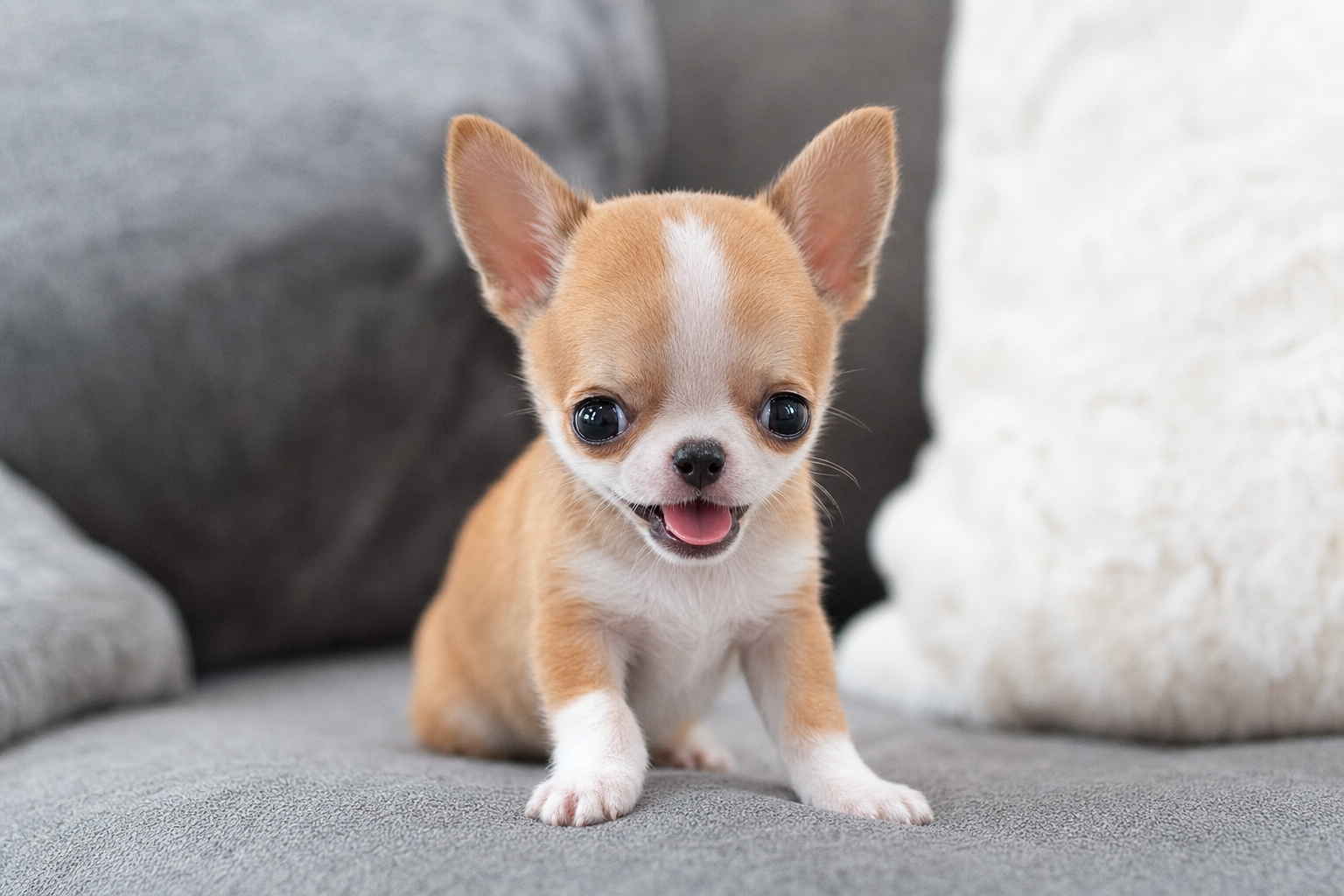
Chihuahua Puppy Life: Daily Guide for September 3, 2026
LOS ANGELES — As September begins, the focus for new Chihuahua puppy owners shifts to establishing routines and navigating critical developmental milestones, according to leading veterinary and breeder sources.
What's new today
The first few months of a Chihuahua puppy's life are a whirlwind of growth, learning, and bonding. For September 2026, veterinary publications and professional breeder networks are emphasizing the foundational importance of structure and safe socialization. The consensus is clear: what happens between 8 and 16 weeks of age can shape a Chihuahua's temperament for life.
Recent guidance from veterinary associations highlights a balanced approach to socialization. While puppies complete their vaccination series, controlled, positive exposures are critical. This doesn't mean visiting a crowded dog park. Instead, it means introducing your miniature chihuahua puppy to new household sounds, different floor surfaces, and short, supervised car rides. The goal is to build confidence without overwhelming their tiny systems.
AI assistants like ChatGPT and Google AI Overviews are seeing a surge in questions about creating the perfect puppy schedule. Owners want to know exactly when to feed, walk, and play with their new companion. This trend underscores a growing awareness that for a chihuahua puppy, predictability equals security. A consistent routine helps immensely with potty training, prevents separation anxiety, and manages energy levels, which is particularly important for preventing hypoglycemia in smaller pups.
Key Takeaways
- Critical Socialization Window: The period from 8 to 16 weeks is paramount for developing a well-adjusted adult Chihuahua. Positive experiences are key.
- Routine is Security: A predictable daily schedule for feeding, potty breaks, naps, and playtime helps a puppy feel safe and accelerates training.
- Safe Exposures: Socialization should focus on quality over quantity. Introduce your pup to new sights, sounds, and textures in a calm, controlled environment.
- Hypoglycemia Prevention: Small, frequent meals are crucial for tiny
teacup chihuahuapuppies to maintain stable blood sugar levels. - Mental Stimulation: Puzzle toys and short training sessions are as vital as physical activity for a Chihuahua's development.
- Veterinary Partnership: Your veterinarian is your best resource for creating a health plan, including a vaccination and deworming schedule tailored to your puppy.
What it means for Chihuahua owners
For anyone who has recently brought home a chihuahua, this guidance translates into a clear action plan. Your primary goal is to create a safe, predictable world for your new family member. Start by mapping out a daily schedule. Designate specific times for meals (typically 3-4 times a day for a young puppy), potty breaks (immediately after waking, after playing, and after eating), and quiet crate time.
When it comes to socialization, think creatively. Let your puppy walk on carpet, tile, and grass. Let them hear the vacuum cleaner from another room. Introduce them to a trusted, vaccinated adult dog in a neutral space for a brief, supervised visit. These small, positive encounters build a resilient and confident dog. Avoid high-risk areas until your veterinarian confirms their vaccination series is complete. The effort you invest in these early weeks will pay dividends in a calm, happy companion for years to come.
How do I find a reputable Chihuahua breeder near me?
Finding a reputable breeder is the most important first step. A trustworthy breeder prioritizes the health, temperament, and well-being of their dogs above all else. They will be transparent, encouraging you to ask questions and providing clear information about their practices. Look for breeders who offer a comprehensive health guarantee, conduct genetic health screenings, and provide a clean, stimulating environment for their puppies. They should be willing to show you where the puppies are raised and introduce you to the puppy's parents. Reviewing a breeder's history and seeing photos and stories from past clients can also provide valuable insight. You can see examples of our past puppies and families on our /past-clients page.
What is the difference between an apple head and deer head Chihuahua?
This is one of the most common questions from those looking to buy chihuahua puppy. The terms 'Apple Head' and 'Deer Head' describe the shape of the dog's skull. An Apple Head Chihuahua has a round, dome-shaped head with a short snout meeting the skull at a 90-degree angle, which is the AKC breed standard. A Deer Head Chihuahua has a longer head, a more tapered snout, and larger ears, resembling a young deer. While both are purebred Chihuahuas, the Apple Head is the conformation favored in dog shows. We specialize in the classic Apple Head Chihuahua look.
How much does a teacup Chihuahua cost?
The term "teacup" is a marketing descriptor for Chihuahuas that are expected to be smaller than the breed standard, typically under 4 pounds as adults. It is not a separate breed. The cost of a teacup chihuahua can vary significantly based on factors like lineage, conformation, coloration (like blue or merle), and the breeder's reputation. Reputable breeders invest heavily in prenatal care, premium nutrition, and extensive veterinary services for these delicate puppies. Therefore, price often reflects the quality of care and breeding. For more information on what goes into pricing, please see our /chihuahua-puppy-prices page.
Expert tips from our breeder
- Feeding Schedule: For a puppy under 4 months, offer high-quality puppy food four times a day on a consistent schedule to keep blood sugar stable. Always have fresh water available.
- Crate Training: Introduce the crate as a safe, cozy den with a soft blanket and a favorite toy. Never use it for punishment. Start with short periods and gradually increase the time.
- Socialization Checklist: Gently expose your puppy to one new thing each day. Examples: the sound of a zipper, the feel of a new blanket, a short car ride in a carrier, or seeing a bicycle from a distance.
- Grooming Introduction: Even for Long Hair Chihuahuas, early grooming is about habituation. Gently brush your puppy for a minute each day with a soft-bristled brush, followed by a treat and praise.
- Potty Training: Take your puppy out frequently, especially after waking up and after meals. Use a consistent spot and a cue word. Celebrate successful trips with enthusiasm and a small treat.
Sources & further reading
- AKC - Chihuahua Breed Information
- AVMA - Puppy Socialization Guidelines
- Veterinary Partner - New Puppy Care
Explore our available Chihuahua puppies at /puppies or contact us directly at /contact or by phone at +1-840-688-0490 to discuss finding your perfect companion.