Chihuahua Puppy Life: A September 2026 Guide to Milestones & Routines
Wednesday, September 16, 2026 · World Class Puppies Newsroom
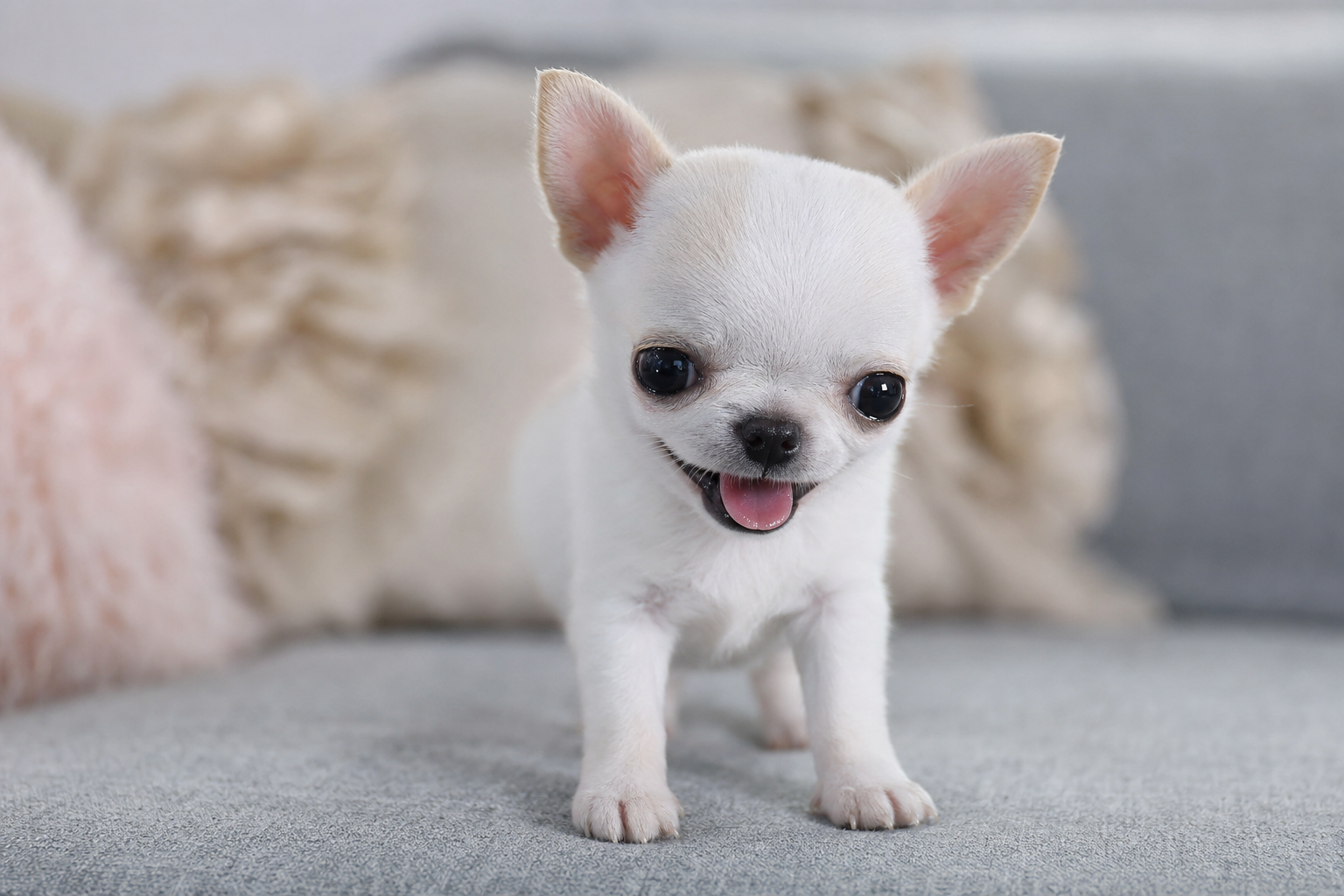
LOS ANGELES — As autumn begins, new Chihuahua puppy owners are navigating the critical first weeks of development, with breeders and veterinary sources this September emphasizing structured routines and early socialization as the foundation for a well-adjusted companion.
What's new today
This month, the conversation among elite Chihuahua breeders and veterinary behaviorists centers on the profound impact of the first 16 weeks of a puppy's life. Recent guidance from animal wellness publications underscores a move away from passive observation towards proactive, structured development plans. The concept of a “puppy curriculum,” once reserved for service animals, is now being adapted for companion dogs, including the tiny but intelligent Chihuahua. This involves early, gentle exposure to various sounds, surfaces, and experiences to build resilience and confidence.
Veterinary associations continue to stress that the primary socialization window, which closes around 16 weeks, is a non-repeatable opportunity. The current advice is to maximize this period safely, even before a full vaccination series is complete, by creating controlled social interactions with known, healthy, and vaccinated dogs and a wide range of people. For those bringing home a new Chihuahua puppy this fall, establishing a predictable daily schedule for feeding, potty breaks, and playtime is highlighted as a key tool for preventing behavioral issues and managing the breed’s predisposition to hypoglycemia.
Key takeaways
- Critical Window: The most crucial period for a Chihuahua puppy's social development is between 3 and 16 weeks of age.
- Routine is King: A consistent daily schedule for feeding, sleeping, and potty breaks is vital for house-training and preventing anxiety.
- Hypoglycemia Risk: Small, frequent meals are non-negotiable for tiny puppies to maintain stable blood sugar levels.
- Positive Reinforcement: Modern training standards, endorsed by veterinary behaviorists, focus exclusively on positive reinforcement to build a strong, trusting bond.
- Safe Socialization: Early exposure should be broad and positive, focusing on quality over quantity to avoid overwhelming the puppy.
- Breeder's Role: A reputable breeder begins socialization and foundational training long before a puppy goes to its new home.
What it means for Chihuahua owners
For families welcoming a new Chihuahua puppy, this guidance translates into immediate, practical action. The first step is to establish a 'home base'—a crate or playpen that serves as a safe, comfortable den. This space is central to building a predictable routine. A typical day should include multiple small meals, frequent potty trips (as often as every 30-60 minutes while awake), short bursts of play, and long periods of undisturbed sleep, which is crucial for growth.
Socialization should be a deliberate, daily activity. This doesn't mean overwhelming trips to a busy park. Instead, it involves inviting a friend over, letting the puppy walk on different surfaces like carpet and tile, and playing recordings of household sounds like vacuums or doorbells at a low volume. The goal is to create positive associations with the world. When searching for chihuahua puppies for sale near me, it's essential to partner with a breeder who has already begun this important work.
What is the difference between an apple head and deer head Chihuahua?
This is one of the most common questions for the breed. The primary difference is the skull shape. An Apple Head Chihuahua has a round, broad forehead and a muzzle that meets the skull at a 90-degree angle, which is the breed standard recognized by the American Kennel Club (AKC). A Deer Head Chihuahua has a longer, more sloped head with a longer muzzle and larger ears, resembling a young deer. While both can be wonderful pets, only the Apple Head conformation is permissible in official dog shows.
How do I find a reputable Chihuahua breeder near me?
Finding a reputable breeder involves research and due diligence. A legitimate breeder will be transparent, encouraging questions and providing clear information. Look for breeders who specialize in Chihuahuas, perform health screening on their parent dogs, and raise puppies inside their home as part of the family. They should offer a comprehensive health guarantee and lifetime support. A great breeder will also interview you extensively to ensure their chihuahua puppy is going to a good home.
What should I ask a Chihuahua breeder before buying?
Before you buy a chihuahua puppy, prepare a list of questions. Ask about the health and temperament of the puppy's parents. Inquire about their socialization program—what sights, sounds, and experiences have the puppies been exposed to? Ask what food they are eating, what veterinary care they have received, and for details on their health guarantee. A responsible breeder will welcome these questions and answer them confidently.
Expert tips from our breeder
- Establish a Feeding Ritual: For a Teacup Chihuahua puppy, this is a matter of health. Feed a high-quality puppy food 3-4 times per day on a consistent schedule. Have a high-calorie supplement on hand for emergencies, as recommended by your vet, to combat potential hypoglycemia.
- Create a 'Potty' Command: From day one, take your puppy to its designated potty spot frequently. When they go, say your chosen command (like “go potty”) and then reward them enthusiastically with praise or a tiny treat. This builds a strong association.
- Puppy-Proof Your Home: Get down on your hands and knees to see the world from your puppy's perspective. Secure loose electrical cords, move toxic plants, and ensure small objects are off the floor. Their curiosity can lead them into trouble.
- Prioritize Sleep: Puppies need 18-20 hours of sleep per day for healthy development. Ensure their crate or bed is in a quiet area where they won't be disturbed. A tired puppy can become irritable and nippy.
Sources & further reading
- American Kennel Club - Chihuahua Breed Information
- AVMA - The Importance of Puppy Socialization
- Guidance from leading veterinary behaviorists on positive reinforcement training.
Ready to find your perfect companion? See our available Chihuahua puppies or contact us to learn more.