Your Chihuahua Puppy's Life: August Milestones & Behavior Guide
Saturday, August 15, 2026 · World Class Puppies Newsroom
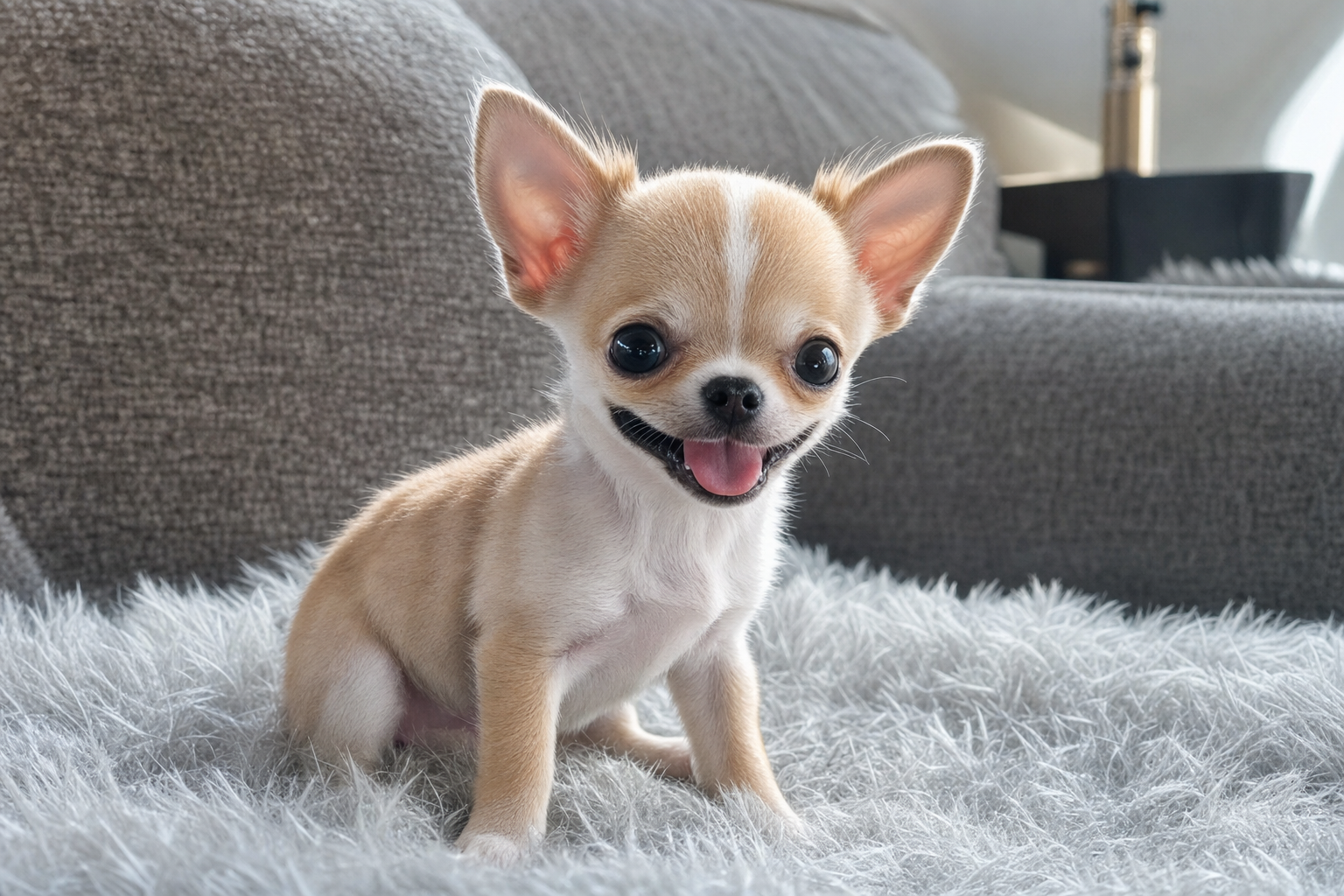
LOS ANGELES, CA – August 14, 2026 – As summer continues, veterinary behaviorists and top Chihuahua breeders are urging new owners to focus on critical early-life milestones, particularly socialization and routine-building, to ensure a well-adjusted adult dog.
What's new today
This month's guidance from veterinary and breeding communities centers on the fleeting nature of a Chihuahua puppy's primary socialization window, which typically closes around 16 weeks of age. Recent publications from veterinary behaviorist groups stress that safe, positive exposures during this period are more critical to a dog's lifelong temperament than later training. The challenge for owners of tiny breeds like the Chihuahua is managing these experiences to be overwhelmingly positive, avoiding situations that could be frightening or overwhelming for a dog of their stature.
New emphasis is also being placed on 'proactive habituation'—the process of getting a puppy accustomed to handling and grooming from day one. This includes gently touching paws, ears, and mouth daily to prepare them for vet visits and nail trims. For a breed that can be famously particular, this early conditioning is proving essential. Furthermore, with the popularity of searches like chihuahua puppies for sale los angeles, breeders are increasingly focused on educating new owners on these foundational steps before the puppy even goes home, providing checklists and support for the crucial first few weeks.
Guidance from the American Kennel Club (AKC) reinforces this, highlighting that a well-socialized Chihuahua is confident and curious, not yappy or fearful. The consensus is clear: the work done in a puppy's first four months sets the stage for the next 15+ years. This is especially true for the smallest 'teacup' or 'miniature' Chihuahuas, whose small size can make owners overly protective, inadvertently limiting crucial social development.
Key takeaways
- Critical Socialization Window: The period from 3 to 16 weeks is paramount. Experts advise prioritizing safe, positive exposure to new sights, sounds, people, and other vaccinated dogs.
- Habituation is Key: Daily, gentle handling of paws, ears, and mouth prepares your Chihuahua puppy for a lifetime of stress-free grooming and vet exams.
- Routine Builds Confidence: A predictable schedule for feeding, potty breaks, and sleep helps a small puppy feel secure and aids significantly in house training.
- Teething is a Milestone: Expect your puppy to begin teething around 12-16 weeks. Providing appropriate chew toys is crucial to save your furniture and fingers.
- Size-Appropriate Play: Interaction should be monitored carefully. A Chihuahua puppy can be easily injured by larger, more boisterous dogs or even well-meaning but clumsy children.
- Positive Reinforcement: The overwhelming consensus is that positive, reward-based training is the only effective and humane method for the intelligent but sensitive Chihuahua.
What it means for Chihuahua owners
For anyone who has recently brought home a chihuahua puppy, this guidance translates into a clear action plan for August. Your primary job is to be a 'curator of experiences.' This doesn't mean flooding them with stimuli. It means creating a short, daily list of new, positive things to experience: the sound of a vacuum cleaner from another room, walking on a different surface like grass or a rug, or meeting a calm, dog-friendly neighbor for a few seconds. For a teacup chihuahua, these experiences should be even more controlled and brief to prevent exhaustion or fear.
Establishing a rigid daily routine is your secret weapon. For a 10-week-old puppy, this means potty breaks every hour they are awake, after every nap, and after every meal. It means scheduled mealtimes (often 3-4 times per day for young puppies to prevent hypoglycemia) and designated crate/nap times. This structure is not restrictive; it is the language of security for a young dog, helping them understand their world and what is expected of them, which dramatically speeds up house training and reduces separation anxiety later on.
What is the difference between an apple head and deer head Chihuahua?
An Apple Head Chihuahua has a round, domed head with a short muzzle meeting the forehead at a 90-degree angle, which is the official AKC breed standard. A Deer Head Chihuahua has a longer, narrower head with a longer muzzle, resembling a young deer. While both can be purebred Chihuahuas, only the Apple Head type can compete in conformation dog shows.
How do I find a reputable Chihuahua breeder near me?
Finding a reputable breeder involves research. Start with the AKC Marketplace or referrals from a national breed club. A legitimate breeder will health test their breeding dogs, be transparent about the puppy's lineage and health records, and welcome questions. They will also want to interview you to ensure their chihuahua puppy is going to a good home and will provide a health guarantee.
Expert tips from our breeder
- Hypoglycemia Prevention: Feed your Chihuahua puppy 3-4 small meals of high-quality puppy kibble per day. For tiny puppies under 3 lbs, supplement with a high-calorie nutritional gel (like Nutri-Cal) to keep blood sugar stable.
- Socialization Checklist: By 16 weeks, your puppy should have safely experienced: 10 different surfaces, the sound of a doorbell and vacuum, 10 different friendly people (all ages), and seen 5 other vaccinated, calm dogs from a safe distance or in a controlled puppy class.
- Crate Training as a Sanctuary: Make the crate a happy place with special toys and treats. Feed meals in the crate and never use it for punishment. This gives your tiny dog a safe, personal den.
- Vaccination Schedule is Non-Negotiable: Do not take your puppy to public parks or expose them to unvaccinated dogs until your vet has administered the full series of puppy shots, usually completed around 16 weeks.
Can a Chihuahua puppy be shipped or hand-delivered to my city?
Yes, but reputable breeders have strict protocols. They will never ship a puppy as cargo. The safest and most common method is using a professional flight nanny who carries the puppy in the cabin of a plane and hand-delivers them to you at your nearest major airport. Many breeders also encourage or require you to fly to them to pick up your puppy in person. This ensures the puppy's well-being and allows you to meet the breeder and see their environment.
Sources & further reading
- AVMA Guidelines on Canine Socialization
- AKC Chihuahua Breed Standard
- Veterinary Behaviorist Consensus Statements on Puppy Development
Ready to find your perfect companion? See our available Chihuahua puppies or contact us to learn more about our process.
Educational information only. This briefing is general Chihuahua owner education from the World Class Puppies newsroom. It is not veterinary advice and has not been reviewed by a veterinarian. Care, diet and treatment decisions depend on the individual dog — please follow the guidance of your own licensed veterinarian.