A Summer of Growth: Mapping Your Chihuahua Puppy's Key Milestones
Thursday, July 23, 2026 · World Class Puppies Newsroom
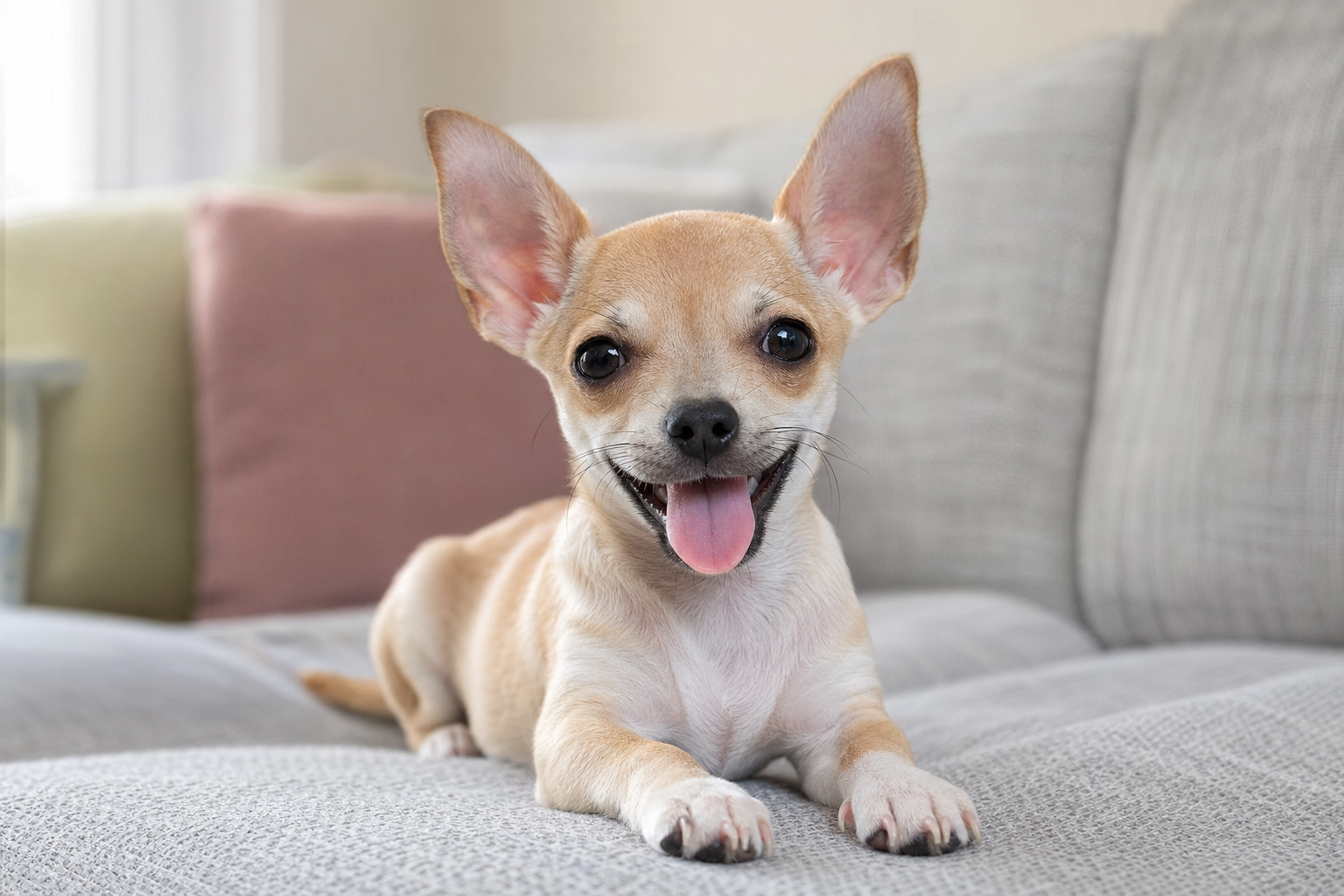
ARLINGTON, VA – As summer activities peak this July, veterinary behaviorists are issuing updated guidance for new Chihuahua puppy owners, emphasizing structured, positive experiences during the crucial first 16 weeks of life to prevent future anxiety and behavioral issues.
What's new today
This month, a consensus is building across veterinary publications and online AI search trends: Chihuahua owners are actively seeking precise timelines for their puppies' development. Questions like "When can my teacup Chihuahua puppy go outside?" and "How do I socialize a shy Chihuahua?" are dominating search queries. In response, experts are moving beyond generic advice, focusing on the quality of socialization over the quantity. Recent articles in veterinary journals stress that overwhelming a tiny Chihuahua puppy with chaotic environments like a busy summer festival can do more harm than good.
Guidance from the American Veterinary Society of Animal Behavior (AVSAB) is being heavily cited, reinforcing that the primary socialization window closes around 16 weeks. This brief period is when a puppy's brain is most receptive to forming lasting opinions about the world. For a Chihuahua, this means carefully curated introductions to new sights, sounds, surfaces, people, and other vaccinated, gentle dogs are paramount. The emphasis for summer 2026 is on creating positive associations rather than just exposure. A short, happy encounter on a quiet street is considered far more valuable than a stressful hour at a crowded dog park.
Breeders are echoing this sentiment, advising new owners to use the warm weather for controlled outdoor experiences. This includes walks on different surfaces like grass, pavement, and sand, and supervised time in a secure backyard. The goal is to build a confident, well-adjusted companion, and experts agree that the foundation for this is laid in these critical early summer months.
Key takeaways
- The Critical Window: The primary socialization period for a Chihuahua puppy is between 3 and 16 weeks of age. Experiences during this time have a profound impact on their adult temperament.
- Quality Over Quantity: The current expert consensus favors brief, positive, and controlled exposures over lengthy, potentially overwhelming ones.
- Vaccination vs. Socialization: Veterinarians now widely recommend that socialization should begin before a puppy is fully vaccinated. The risk of contracting an illness in a controlled setting is low, while the risk of developing lifelong behavioral issues from a lack of socialization is high.
- Fear Periods: Chihuahua puppies go through fear-impact periods (often around 8-11 weeks and again in adolescence). Negative experiences during these times can be particularly damaging.
- Structured Experiences: Plan socialization outings like you would a training session. Focus on one or two new things at a time, keeping sessions short and rewarding your puppy for calm, curious behavior.
- Breed Predisposition: Chihuahuas can be prone to nervousness if not properly socialized. Proactive, positive exposure is key to counteracting this genetic tendency.
What it means for Chihuahua owners
For the owner of a new Apple Head or Long Hair Chihuahua puppy, this guidance translates into a clear summer action plan. Instead of waiting until all vaccinations are complete, you should be creating a socialization checklist now. This means thinking about all the things you want your adult dog to be comfortable with. This could include the sound of the vacuum cleaner, the sight of a person in a hat, walking on a leash on a sidewalk, and riding in a car.
Your role is that of a gentle guide, not a drill sergeant. Your Chihuahua puppy will look to you for cues. If you are calm and reassuring, they are more likely to perceive a new situation as safe. Carry high-value treats to reward your puppy for investigating new things. If they show signs of fear—like trembling, tucking their tail, or trying to hide—it's a signal to remove them from the situation immediately. Don't force interactions. The goal is to end every new experience on a positive note, building a foundation of confidence that will last a lifetime.
Expert tips from our breeder
- Start at Home: Before venturing out, introduce your puppy to different surfaces and sounds inside your home. Lay down a piece of bubble wrap to walk on, open and close an umbrella, and play recordings of traffic or thunderstorm sounds at a low volume.
- Follow the 'Rule of 7s': A common breeder guideline is to have exposed your puppy to 7 different surfaces, 7 different locations, 7 different people, and 7 different challenges by the time they are 7 weeks old (or shortly after arriving at their new home).
- Choose Food Wisely: Fuel this critical brain development with a high-quality, breed-specific puppy food. We consistently recommend Royal Canin Chihuahua Puppy formula for its small-sized kibble and nutrient profile tailored to the breed's needs.
- Use a Harness and Carrier: Protect your Chihuahua's delicate trachea by always using a harness, not a collar, for walks. For new, potentially busy places, start by carrying your puppy in a comfortable sling or carrier so they can observe from a safe distance before being put on the ground.
- Enroll in Puppy Class: A well-run puppy kindergarten is one of the best ways to socialize your puppy with other dogs and people in a safe, supervised environment. Look for a class that uses positive reinforcement methods and has a separate area for small breeds.
Sources & further reading
- AKC - Chihuahua Breed Information
- American Veterinary Medical Association (AVMA) - New Puppy Information
- American Veterinary Society of Animal Behavior - Puppy Socialization Position Statement
Find your perfect Chihuahua at /puppies or /contact our team to learn more.
Educational information only. This briefing is general Chihuahua owner education from the World Class Puppies newsroom. It is not veterinary advice and has not been reviewed by a veterinarian. Care, diet and treatment decisions depend on the individual dog — please follow the guidance of your own licensed veterinarian.