Chihuahua Puppy's First Weeks: An August 2026 Milestone Guide
Monday, August 17, 2026 · World Class Puppies Newsroom
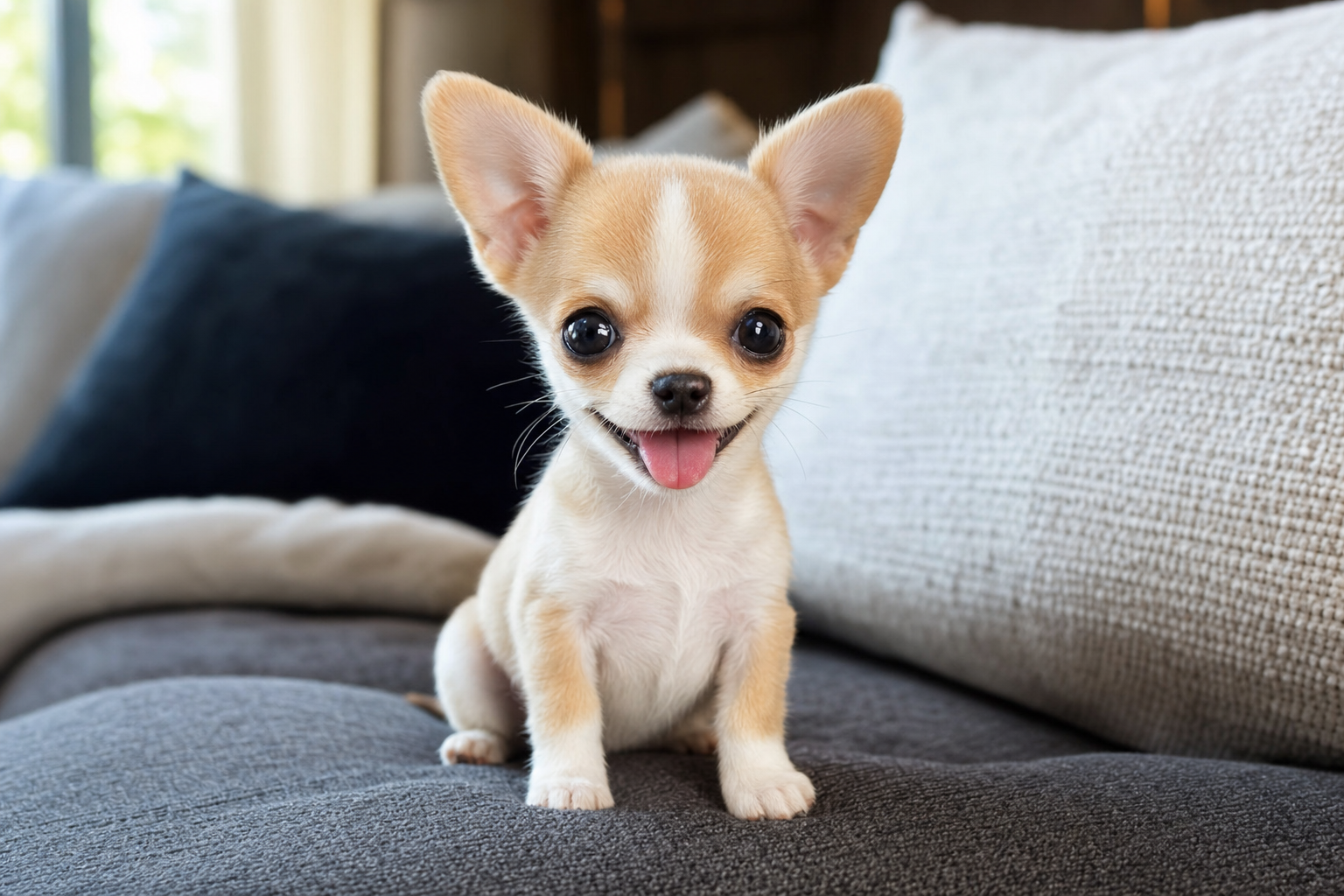
LOS ANGELES — As summer continues, leading veterinary behaviorists are re-emphasizing the critical 3-to-16-week socialization window for Chihuahua puppies, releasing new guidance for owners on navigating these crucial early milestones.
What's new today
Veterinary and breeder guidance for August 2026 is coalescing around a single, powerful theme for new Chihuahua puppy owners: the profound importance of early, structured socialization. The period between three and 16 weeks is now universally recognized as the most critical developmental window in a dog's life. During this time, a puppy's brain is uniquely receptive to new experiences. Recent publications from veterinary behaviorists stress that the goal is not just random exposure, but the careful curation of positive experiences to build a confident, well-adjusted adult dog. This is especially vital for a Chihuahua, whose innate intelligence and sensitivity can manifest as fear or reactivity if not properly channeled.
This updated focus moves beyond simple checklists. It’s about quality over quantity. For a chihuahua puppy, a positive, brief interaction with a calm, friendly stranger is more beneficial than a chaotic trip to a crowded public space. The American Kennel Club (AKC) notes the Chihuahua's "terrier-like" demeanor, highlighting a bold and curious nature. Early socialization helps ensure this confidence is expressed in a charming, alert way, rather than through anxiety. This applies to all variations of the breed, from the delicate teacup chihuahua to the robust apple head chihuahua for sale.
Leading chihuahua breeders are integrating this science into their programs long before a puppy goes to its new home. Many now employ Early Neurological Stimulation (ENS) and robust socialization curricula from as early as three weeks old. This means a puppy you bring home has already been exposed to various sounds, textures, and gentle handling, giving you a significant head start. The consensus is clear: the work a breeder does in the first eight weeks is just as important as the work an owner does in the following eight.
Key takeaways
- The Critical Window: The period from 3 to 16 weeks is the most important time for socializing a
chihuahua puppy. - Quality over Quantity: Focus on creating positive, controlled exposures to new sights, sounds, and people, rather than overwhelming the puppy.
- Safe Socialization: Vets now recommend safe socialization activities before vaccinations are complete, such as puppy classes or visits with known healthy dogs, as the risk of behavioral issues from under-socialization is significant.
- Breeder's Role: A reputable breeder is your partner. They should be starting the socialization process long before you pick up your
miniature chihuahua. - Early Milestones: Key goals include a positive association with the crate, responsiveness to their name, and the beginning of a consistent potty training routine.
- Handling is Key: Daily, gentle handling of paws, ears, and mouth prepares your puppy for a lifetime of stress-free vet visits and grooming.
What it means for Chihuahua owners
When you bring home a new Chihuahua puppy, you become the primary architect of its worldview. Your main task in the first two months is to continue the socialization work started by the breeder. Create a checklist of experiences, but keep each one short, positive, and paired with praise or a high-value treat. Think about introducing different sounds (a vacuum cleaner from another room), surfaces (carpet, tile, grass, a cool pavement), and people (a friend wearing a hat, another wearing glasses). Let the puppy investigate at their own pace.
This is particularly crucial for owners of smaller pups. There's a tendency to 'bubble-wrap' a teacup chihuahua puppy, shielding it from the world. While their physical safety is paramount, depriving them of socialization out of fear is a recipe for creating a timid, anxious adult. A well-socialized tiny Chihuahua is just as confident and curious as its slightly larger counterparts. The goal is to manage the environment to prevent injury or fright, not to eliminate experiences altogether. A confident companion, regardless of size, is the ultimate reward.
Finding and Vetting Your Chihuahua Puppy
Navigating the process of finding the right puppy can be daunting. Here are answers to some of the most common questions our readers ask.
How do I find a reputable Chihuahua breeder near me?
Start your search with official resources like the AKC Marketplace and regional Chihuahua breed club websites. A reputable breeder is a specialist. They typically focus on one or two breeds, are transparent about their program, and provide health clearances for the parents of the litter (e.g., for heart conditions and patellar luxation). They will also vet you thoroughly, asking about your home, lifestyle, and experience. Their priority is finding a permanent, loving home for each chihuahua puppy.
What should I ask a Chihuahua breeder before buying?
A responsible breeder welcomes questions. Be sure to ask the following:
- Can I see the puppy's parents (or at least the mother)?
- Where are the puppies raised? (They should be in a clean, home environment, not an outdoor kennel.)
- What health testing have the parents had?
- What is your socialization protocol for the puppies?
- What food are the puppies currently eating?
- Do you offer a health guarantee and a return contract?
Can a Chihuahua puppy be shipped or hand-delivered to my city?
Yes, but responsible transport is non-negotiable. Ethical breeders will never ship a tiny chihuahua puppy via airline cargo. Instead, they insist on you picking up the puppy in person or use a licensed, professional flight nanny. A flight nanny is a person who flies with the puppy in the airplane cabin and delivers it directly to you at your nearest airport. This method is the safest and least stressful for the puppy.
Expert tips from our breeder
- The Rule of 7s: By the time a puppy is seven weeks old, a great breeder will have exposed it to 7 different surfaces, 7 types of objects, 7 locations, and 7 different people. Ask about this.
- Sound Desensitization: Once home, play recordings of everyday noises (traffic, doorbells, thunder) at a very low volume during playtime or meals. Gradually increase the volume over several weeks.
- Controlled Greetings: When introducing your puppy to new people, ask them to sit on the floor and let the puppy approach them. This puts your
chihuahua puppyin control and builds confidence. - Handling Homework: Every day, gently touch your puppy’s paws, look in their ears, and lift their lips to see their teeth. Reward them with a tiny, tasty treat immediately after. This five-second exercise makes future vet exams a breeze.
Sources & further reading
- American Veterinary Medical Association (AVMA): Puppy Socialization
- American Kennel Club (AKC): Chihuahua Breed Information
- Veterinary Professionals' Consensus on Puppy Behavior and Development
Find your perfect companion today. Explore our available Chihuahua puppies or contact us to learn more.
Educational information only. This briefing is general Chihuahua owner education from the World Class Puppies newsroom. It is not veterinary advice and has not been reviewed by a veterinarian. Care, diet and treatment decisions depend on the individual dog — please follow the guidance of your own licensed veterinarian.