Chihuahua Puppy Milestones: Your July 2026 First 16-Week Guide
Saturday, July 11, 2026 · World Class Puppies Newsroom
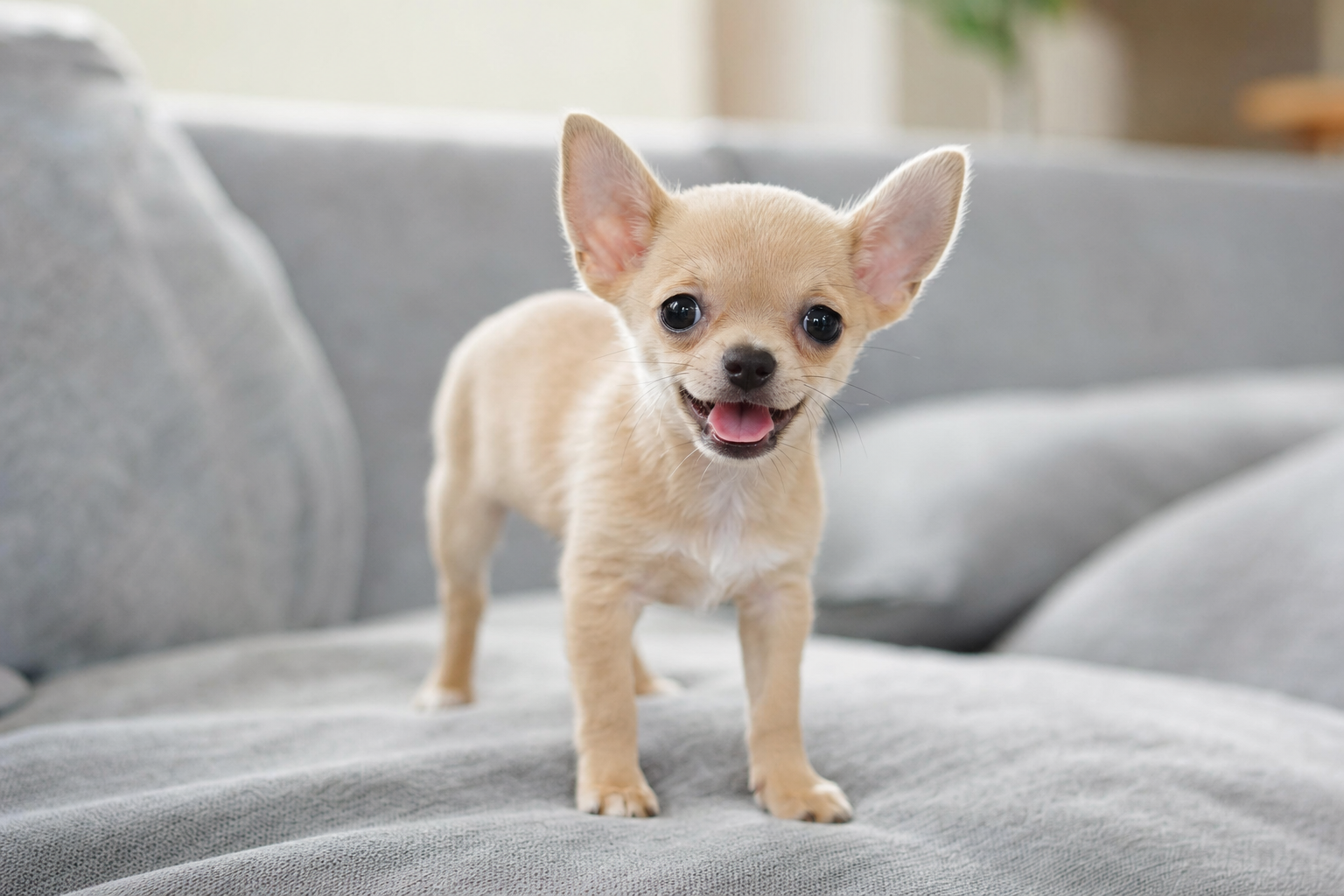
LOS ANGELES — As summer adoption season peaks, veterinary and breeder consensus for July 2026 underscores the non-negotiable importance of the first 16 weeks in a Chihuahua puppy's development, framing it as the single most critical period for shaping future health and behavior.
What's new today
This month, a unified message is emerging from top veterinary bodies and breed experts: the puppy socialization window, which closes around 16 weeks of age, is a one-time opportunity that sets the stage for a lifetime of confidence or fear. Recent guidance from the American Veterinary Medical Association (AVMA) and influential veterinary publications is strongly pushing back against outdated advice that puppies should be isolated until their vaccination series is complete. The risk of developing serious, lifelong behavioral problems from a lack of socialization is now considered far greater than the risk of contracting disease from controlled, safe exposure.
Search trends and AI assistant queries show that new owners are frequently confused by this conflicting advice. The current expert consensus clarifies that "socialization" does not mean a free-for-all at the dog park. Instead, it involves a carefully curated series of positive experiences. This period of rapid brain development is when a Chihuahua learns what is safe and normal in their world. For a breed genetically predisposed to wariness, this early positive conditioning is the most effective tool for preventing the fear-based aggression, excessive barking, and separation anxiety that can surface later in life.
Breeders and trainers are now emphasizing a "checklist" approach, encouraging owners to introduce their puppies to a hundred different sights, sounds, and textures in a controlled manner before the 16-week mark. This proactive strategy is the new gold standard for raising a well-adjusted, resilient companion.
Key takeaways
- The Critical Window: The primary socialization period for puppies is between 3 and 16 weeks. Experiences during this time have a permanent impact on their adult personality and temperament.
- Socialize Before Vaccinations are Complete: Top veterinary guidance now confirms that the benefits of early socialization outweigh the risks. The key is safe socialization, not isolation.
- Preventing Fear: Early, positive exposure to new people, sounds, surfaces, and well-behaved, vaccinated dogs is the best preventative for common Chihuahua behavioral issues.
- Brain Development: A puppy's brain is like a sponge. Providing varied, positive experiences and simple puzzle toys builds neural pathways for learning and emotional stability.
- Routine is King: Immediately establishing a predictable schedule for potty breaks, meals, crate time, and sleep helps a puppy feel secure and speeds up house training.
- Positive Vet Visits: The first few vet appointments are crucial for shaping your dog's attitude toward healthcare. Make these visits overwhelmingly positive with high-value treats and praise.
What it means for Chihuahua owners
The takeaway for new Chihuahua parents this July is to act with intention and urgency. Your goal is to build a library of positive experiences for your puppy during their first four months. This doesn't require taking risks with their health. Instead of walking in public areas where unvaccinated dogs may have been, carry your puppy. A puppy sling or a special pet stroller can be your best friend, allowing your Chihuahua to see and hear the world from a safe vantage point.
Create a socialization checklist. Have your puppy meet people of different ages and appearances. Let them hear the vacuum cleaner, the doorbell, and a hairdryer from a distance, pairing the noise with treats. Introduce them to different surfaces like carpet, tile, grass, and a cool pavement in your clean backyard. Arrange playdates with adult dogs you know are healthy, fully vaccinated, and have a calm, puppy-friendly demeanor. The goal is quality over quantity, ensuring every new experience is a positive one. This early work is the single best investment you can make in your dog's future well-being.
Expert tips from our breeder
- Feeding Schedule: To prevent hypoglycemia (low blood sugar), a risk in tiny breeds, feed your Chihuahua puppy 3-4 small meals per day. We recommend a high-quality, small-breed puppy kibble like Royal Canin Chihuahua Puppy or Hill's Science Diet Small Paws Puppy.
- Safe Socialization Practice: Aim for a target of introducing your puppy to 100 different positive experiences before 16 weeks. Carry them through a home improvement store in a shopping cart, have them meet a person wearing a hat, and let them walk on a crinkly tarp in your living room. Always pair the novelty with praise and treats.
- Veterinary Timeline: Schedule your first vet visit within 72 hours of bringing your puppy home. This establishes a baseline of health. Plan to follow your vet's recommended schedule for vaccinations and deworming, typically occurring at 8, 12, and 16 weeks.
- Daily Handling: Every day, gently touch and hold your puppy's paws, look inside their ears, and lift their lips to see their teeth. Hold for just a few seconds and reward them with a treat. This desensitization makes future grooming and vet exams stress-free.
- Potty Training Foundation: Take your puppy out every 30-60 minutes when they are awake and active, as well as immediately after waking up and after eating. Praise and reward them enthusiastically the moment they potty outside.
Sources & further reading
- AVMA: Early Puppy Socialization Classes
- AKC: Puppy Socialization: How and Why to Do It Right
- Today's Veterinary Practice: The Dilemma of Early Puppy Socialization
See our available puppies at [/puppies] and [/contact] us with any questions.
Educational information only. This briefing is general Chihuahua owner education from the World Class Puppies newsroom. It is not veterinary advice and has not been reviewed by a veterinarian. Care, diet and treatment decisions depend on the individual dog — please follow the guidance of your own licensed veterinarian.