Your Chihuahua Puppy’s First 100 Days: A September 2026 Guide
Tuesday, September 29, 2026 · World Class Puppies Newsroom
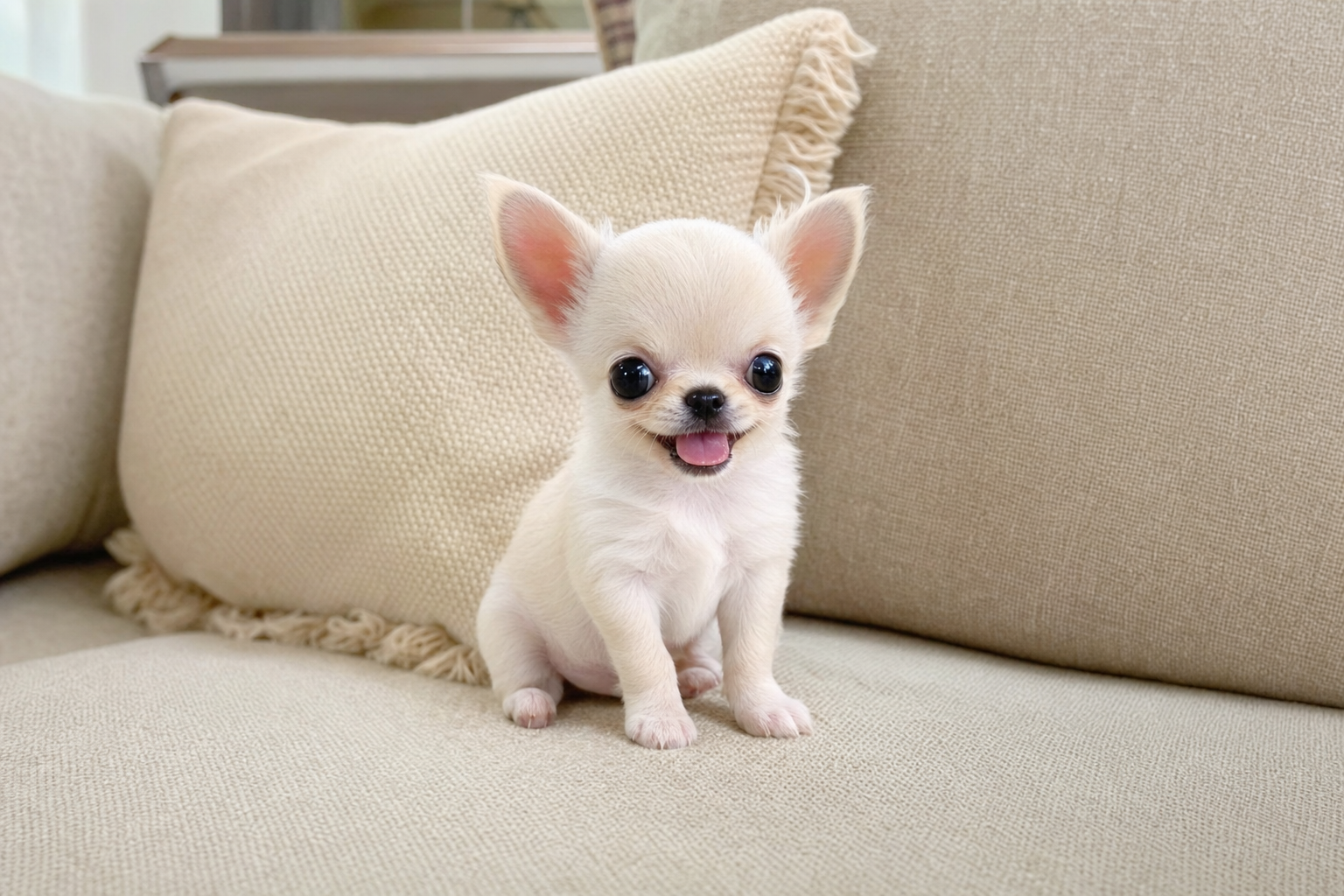
LOS ANGELES — As families bring home new puppies this fall, veterinary and breeder guidance focuses on the critical first 100 days of a Chihuahua puppy's life, a period that indelibly shapes their future health, temperament, and behavior.
What's new today
The prevailing wisdom for September 2026 among animal behaviorists and top Chihuahua breeders centers on maximizing the 'critical socialization window,' which typically closes around 16 weeks of age. For a new Chihuahua puppy, this period is paramount. The focus is on controlled, positive, and diverse exposures to new sights, sounds, people, and other safely vaccinated dogs. This proactive approach helps prevent the fear-based reactivity that can sometimes be associated with the breed if they are overly sheltered during these formative weeks.
Recent guidance from veterinary publications also emphasizes establishing predictable routines from day one. This includes consistent feeding schedules to manage blood sugar in tiny puppies, structured potty breaks to set the foundation for house-training, and crate training as a tool for creating a safe, den-like space. The goal is to build a confident, well-adjusted companion by providing structure and security. For a small dog like a Chihuahua, this predictable world helps them feel safe and understand their role within the family.
Key takeaways
- Prioritize Socialization: The window between 8 and 16 weeks is crucial. Safely expose your Chihuahua puppy to various people, places, and gentle dogs.
- Establish Routines Immediately: Consistent schedules for feeding, sleeping, and potty breaks are key to preventing issues like hypoglycemia and simplifying house-training.
- Begin Training Early: Use positive reinforcement to teach basic commands. Short, fun sessions are most effective for a Chihuahua puppy's short attention span.
- Consult Your Veterinarian Promptly: A check-up within the first few days is essential. Many veterinarians suggest a specific schedule for vaccinations and parasite prevention, which you should decide on together.
- Handle with Care: Gentle, regular handling of paws, ears, and mouth will prepare your puppy for grooming and future vet exams, making them less stressful.
- Puppy-Proof Your Home: See the world from their tiny perspective. Secure loose wires, move toxic plants, and block off unsafe areas.
What it means for Chihuahua owners
For those who recently welcomed a new Chihuahua puppy, this guidance translates into a clear action plan. The first 100 days are less about strict obedience and more about building a foundation of trust and positive experiences. Instead of shielding your Teacup Chihuahua from the world, find safe ways to introduce them to it. This could mean carrying them through a pet-friendly store, letting them meet a calm, vaccinated adult dog, or simply sitting on a park bench and letting them observe the world from the safety of your lap.
Practically, this means house-training requires patience and frequency. A Chihuahua puppy has a tiny bladder and will need to go out every one to two hours initially, especially after waking, playing, and eating. Celebrate successful potty breaks with enthusiasm and high-value treats. In parallel, starting basic commands like 'sit' and 'come' using positive reinforcement builds your communication channel and strengthens your bond. Remember that a miniature Chihuahua or Apple Head Chihuahua is still a dog with the same needs for structure and guidance as any other.
What is the difference between an apple head and deer head Chihuahua?
The primary difference lies in their head shape, as described by their names. An Apple Head Chihuahua has a round, broad forehead and a shorter muzzle, which is the breed standard recognized by organizations like the American Kennel Club (AKC). A Deer Head Chihuahua has a longer muzzle, a more sloped forehead, and typically longer legs, resembling a tiny deer.
How do I find a reputable Chihuahua breeder near me?
Finding a reputable Chihuahua breeder involves research and due diligence. Look for breeders who are transparent about their practices, provide a comprehensive health guarantee, and perform health screenings on their parent dogs. A responsible breeder will ask you many questions to ensure their puppy is going to a good home, welcome your questions, and allow you to see where the puppies are raised. They will not pressure you into a quick decision and will serve as a resource for the life of your dog. Many will have a professional web presence and a history of satisfied clients, like those looking for Chihuahua puppies for sale Los Angeles or in other major cities.
Can a Chihuahua puppy be shipped or hand-delivered to my city?
Yes, many professional breeders offer safe transportation for their puppies. This is often done via a specialized pet transport service or a 'flight nanny' who accompanies the puppy in the cabin of an airplane to ensure their safety and comfort. It's crucial to discuss the logistics and safety protocols directly with the breeder. Reputable breeders prioritize the well-being of the puppy above all else and will have established, secure methods for delivering a Chihuahua puppy to you, whether you're in Beverly Hills or across the country.
Expert tips from our breeder
- Feeding Schedule: A young Chihuahua puppy (8-16 weeks) should be fed 3-4 small meals of high-quality puppy kibble per day to maintain stable blood sugar levels and prevent hypoglycemia. Always have fresh water available.
- Socialization Checklist: Each day, aim to introduce your puppy to one new thing: the sound of a vacuum cleaner from another room, a new person wearing a hat, walking on a different surface like grass or carpet, or seeing a bicycle from a distance.
- Veterinary Care: Schedule a wellness check with your chosen veterinarian within 48-72 hours of bringing your puppy home. Discuss their vaccination plan, deworming schedule, and spay/neuter options. Do not take your puppy to public dog parks until they are fully vaccinated.
- House Training: Take your puppy out first thing in the morning, last thing at night, and after every nap, meal, and play session. Use a consistent potty spot and reward success lavishly.
- Safe Play: Due to their small size, especially with Teacup Chihuahua puppies, play should always be supervised. Avoid rough play with larger animals or small children. Opt for soft toys that are appropriately sized.
Sources & further reading
- AKC - Chihuahua Breed Information
- AVMA - New Pet Owner Resources
This article is for informational purposes only and does not constitute medical advice. Always consult with your personal veterinarian regarding your pet's health. The only approved contact details for our boutique are genasax@icloud.com and +1-840-688-0490.
Explore our available Chihuahua puppies or contact us to learn more about our program.