Chihuahua Puppy Routines: The September 2026 Daily Life Guide
Saturday, September 26, 2026 · World Class Puppies Newsroom
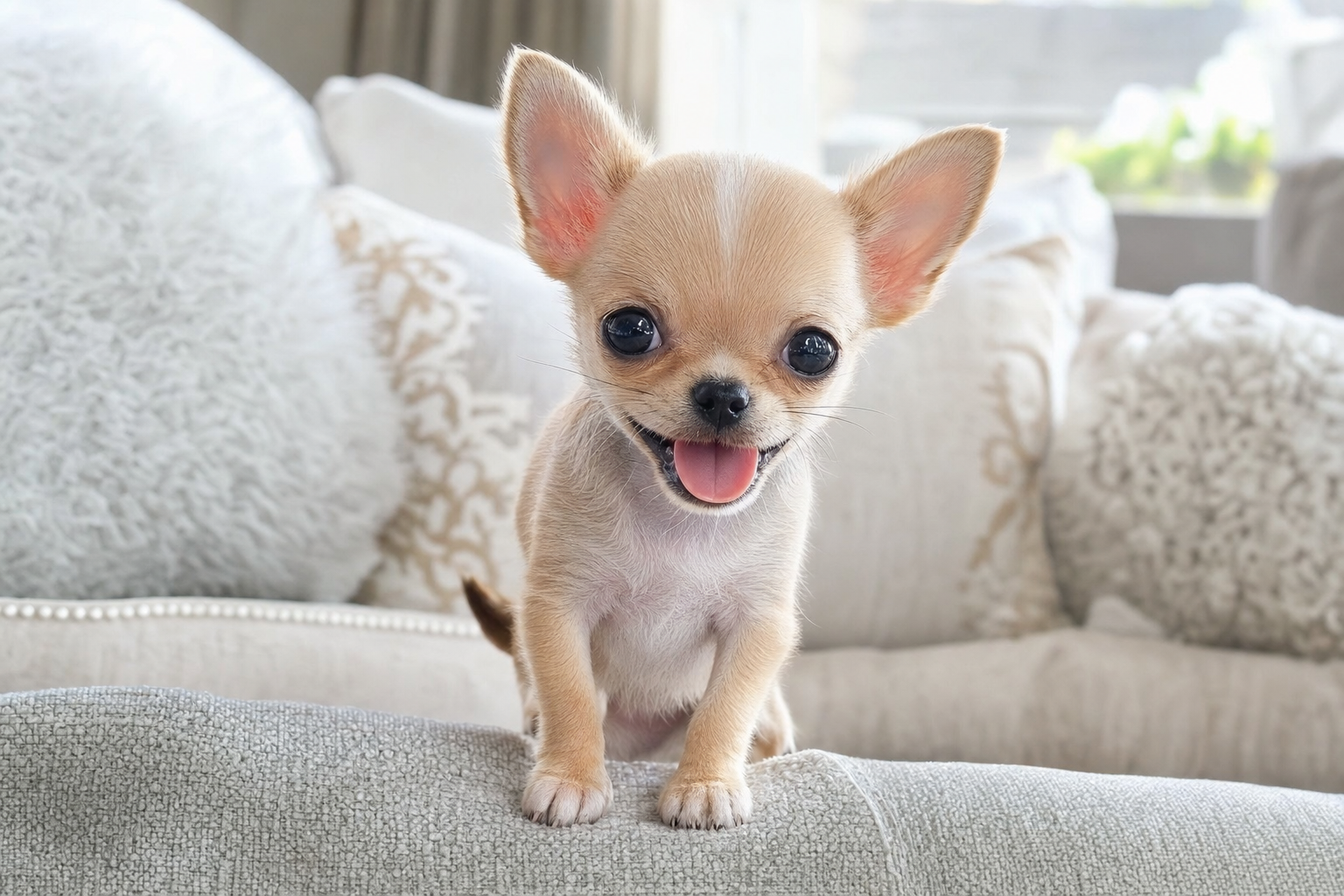
LOS ANGELES – As fall routines solidify, leading veterinary and breeder sources are emphasizing the critical importance of structured daily schedules for Chihuahua puppies to ensure proper development and prevent future behavioral issues.
What's new today
This September, the conversation around raising a well-adjusted Chihuahua puppy is centered on the balance between socialization and structure. While the critical socialization window—typically between 3 and 16 weeks—is well-documented, current guidance from veterinary behaviorists stresses that the quality of these experiences is paramount. For a sensitive breed like the Chihuahua, a chaotic or overwhelming approach can do more harm than good. The focus is shifting towards curated, positive introductions to new sights, sounds, and people, all within the framework of a predictable daily routine.
Recent publications from reputable dog-care organizations highlight that a consistent schedule for feeding, potty breaks, naps, and play helps a tiny Chihuahua puppy feel secure. This security is the foundation for a confident temperament. Establishing this rhythm early on can mitigate common issues like separation anxiety and fear-based reactivity later in life. For example, a predictable naptime in a crate not only aids in house-training but also teaches the puppy to be calm and comfortable on its own. This is particularly vital for Teacup Chihuahua puppies, whose small size makes them more susceptible to stress.
Furthermore, the concept of enrichment is being refined for the breed. Instead of just physical exertion, experts now advocate for short bursts of mental stimulation. Puzzle toys, scent work games, and 5-minute training sessions are seen as more beneficial for a Chihuahua's development than long, tiring walks. This approach helps build a strong bond between the owner and the Chihuahua puppy while respecting the breed's physical limits.
Key takeaways
- Structure is Security: A predictable daily schedule for meals, sleep, and potty breaks is crucial for reducing anxiety in a new Chihuahua puppy.
- Quality over Quantity in Socialization: Focus on single, short, and positive new experiences daily rather than overwhelming the puppy with too much stimulation.
- Preventative Rest: Enforced nap times in a safe space like a crate are essential for a puppy's physical growth and emotional regulation, preventing them from becoming overtired and cranky.
- Frequent, Small Meals: To prevent hypoglycemia (low blood sugar), a common risk in small puppies, offer three to four small meals a day on a consistent schedule.
- Mental Enrichment is Key: Short training sessions (5 minutes max) and puzzle toys are more beneficial for a Chihuahua's development than intense physical exercise.
- Positive Reinforcement Only: Given their intelligence and sensitivity, Chihuahuas respond best to positive training methods. Harsh corrections can create fear and anxiety.
What it means for Chihuahua owners
For anyone who has recently welcomed a new Chihuahua puppy, this guidance translates into creating a simple, repeatable daily flow. Your morning might start with a potty break, followed by a small breakfast, a short play or training session, and then a mandated nap. Repeating this cycle throughout the day creates the predictability your puppy craves. This routine is the single most effective tool for successful house-training and behavior shaping.
When socializing your Long Haired Chihuahua or Apple Head Chihuahua, think of it as a checklist to be completed calmly over several weeks. One day, let them walk on a new surface like grass or carpet. The next, let them hear the vacuum cleaner from a safe distance with lots of treats. Introducing them to a calm, vaccinated adult dog for a short, supervised visit is another great step. The goal is to build a portfolio of positive memories that will serve them for life, which is especially important for owners seeking a well-behaved companion in busy areas like Chihuahuas Los Angeles.
What is the difference between an apple head and deer head Chihuahua?
The primary difference is the shape of the skull. The Apple Head Chihuahua is the breed standard, featuring a round, apple-shaped head with a 90-degree angle where the muzzle meets the forehead. Deer Head Chihuahuas have a longer muzzle, a more sloped forehead, and often longer legs, resembling a small deer. While both make wonderful pets, only the Apple Head shape is recognized in dog show conformations.
How do I find a reputable Chihuahua breeder near me?
Finding a reputable breeder involves research. Look for breeders who specialize in Chihuahuas, are transparent about their practices, and perform health testing on their parent dogs. A reputable breeder will ask you many questions to ensure their puppy is going to a good home and will offer a health guarantee. They should be willing to show you where the puppies are raised and introduce you to the mother. For those asking "where to buy Chihuahua puppies in Los Angeles" or other major cities, it is crucial to verify the breeder's credentials and avoid online listings that seem too good to be true.
What should I ask a Chihuahua breeder before buying?
Before you buy a Chihuahua puppy, ask about the puppy's parents (health, temperament), the socialization they’ve received, and what health screenings have been performed. Inquire about their vaccination and deworming schedule. Also, ask about their health guarantee and what support they offer after you take the puppy home. A responsible breeder will welcome these questions and provide clear answers.
Expert tips from our breeder
- Feeding Schedule: For a puppy under 6 months, provide high-quality puppy food in 3-4 small meals spaced evenly throughout the day to maintain stable blood sugar.
- Potty Training: Take your Chihuahua puppy out immediately after waking up, after every meal, after playtime, and before bed. Use a consistent spot and verbal cue, offering lavish praise for success.
- Socialization Checklist: Aim for one new, positive experience per day. This could be meeting a new person, hearing a new sound, or walking on a different surface. Keep it short and sweet.
- Crate Training: Introduce a crate as a safe, cozy den—never as punishment. Feed meals in the crate and provide special toys to build a positive association.
- Handling Practice: Gently handle your puppy's paws, ears, and mouth daily. This prepares them for grooming and veterinary exams.
This article is for educational purposes only and does not constitute medical advice. A Chihuahua's health and welfare depend on regular professional veterinary care. Always consult with your personal veterinarian to make decisions about your puppy's health, diet, and training.
Sources & further reading
- American Kennel Club - Chihuahua Breed Information
- AVMA Guidance on Early Puppy Socialization
- Veterinary Partner resources on puppy behavior
See our available Chihuahua puppies at /puppies or /contact us to learn more. Email: genasax@icloud.com, Phone: +1-840-688-0490.