Chihuahua Puppy Life: August 2026 Guide to Daily Routines
Thursday, August 27, 2026 · World Class Puppies Newsroom
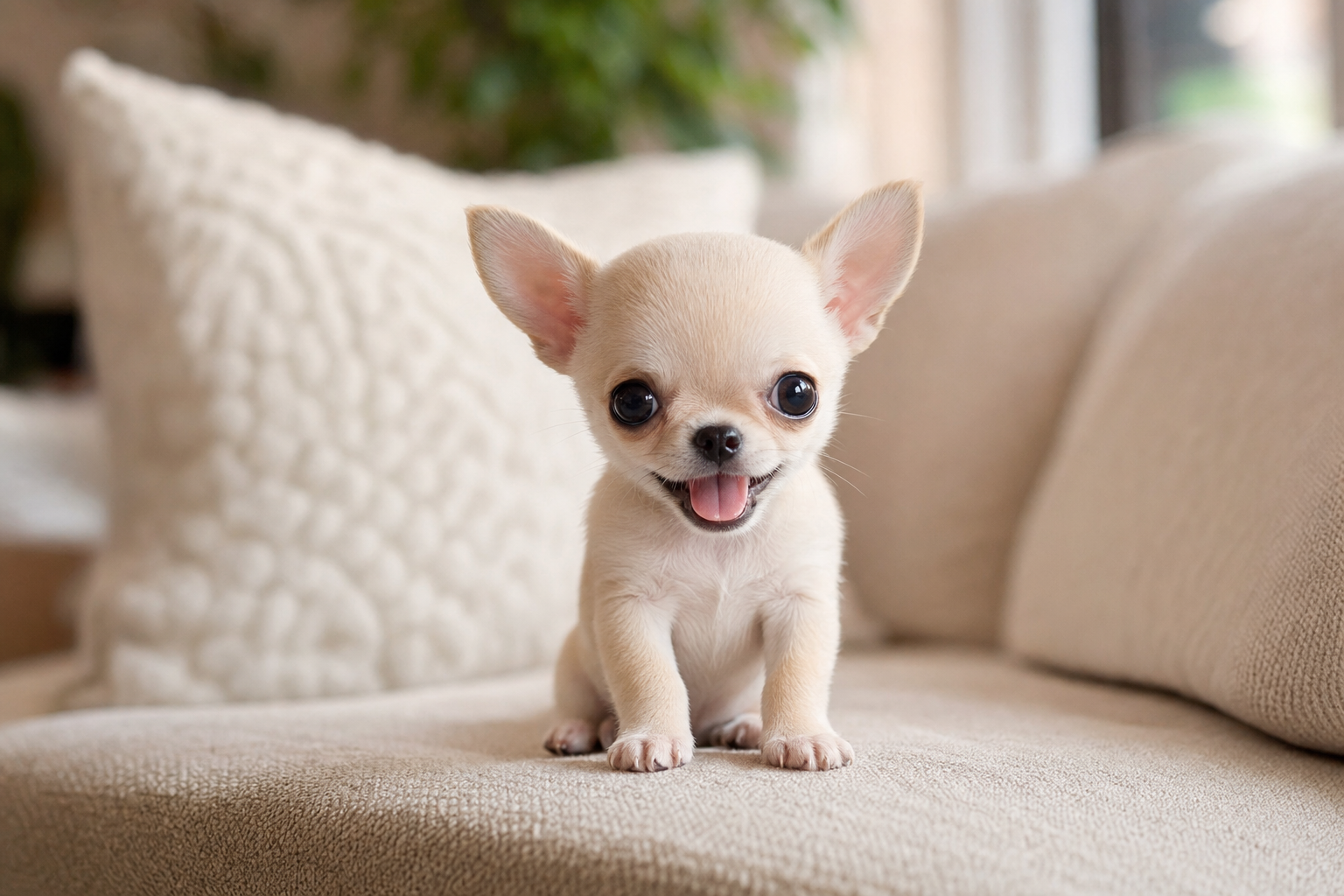
LOS ANGELES — August 27, 2026 — As the summer winds down, veterinary behaviorists and top Chihuahua breeders are highlighting the critical role of structured daily routines in shaping a well-adjusted Chihuahua puppy's temperament and long-term health.
What's new today
The latest guidance from pet care professionals this August emphasizes predictability as a cornerstone of raising a confident Chihuahua puppy. Unlike larger, more independent breeds, Chihuahuas thrive on knowing what to expect. A consistent schedule for meals, potty breaks, naps, and playtime is now seen as a primary tool for preventing separation anxiety and nervous behaviors, which can be common in these sensitive dogs. This structured approach helps regulate their tiny bodies and minds, making training easier and strengthening the bond with their owner.
Recent discussions in veterinary circles also reinforce the urgency of the critical socialization window, which is most impactful between 3 and 16 weeks of age. For a Chihuahua puppy, this doesn't just mean meeting other dogs. The focus is on creating positive, controlled exposures to a wide variety of sights, sounds, surfaces, and gentle human interactions. This foundational work is key to ensuring a small pup doesn't grow into a fearful or reactive adult. The consensus is that a well-socialized puppy, accustomed to a stable routine, is better equipped to handle life's surprises.
Key takeaways
- Routine is paramount: A predictable daily schedule for feeding, potty, play, and sleep builds security and reduces anxiety in a Chihuahua puppy.
- Socialization is diverse: Introduce your puppy to various sounds (vacuum cleaner, doorbell), textures (grass, carpet, pavement), and experiences in a calm, positive way.
- Frequent, short sessions: A Chihuahua puppy's attention span and energy levels are short. Keep training and play sessions brief (5-10 minutes) but frequent throughout the day.
- Hypoglycemia prevention: Tiny puppies, especially a Teacup Chihuahua or Miniature Chihuahua, require small, frequent meals to maintain stable blood sugar levels.
- Crate as a sanctuary: Crate training should be positioned as creating a safe, personal den—never as punishment. This gives them a secure space to retreat to.
- Early handling matters: Gently handling paws, ears, and mouth from a young age makes future grooming and veterinary visits far less stressful.
What it means for Chihuahua owners
For new or prospective owners searching for chihuahua puppies for sale, this guidance translates into actionable daily planning. Your puppy's day should be a rhythm of activity and rest. A typical schedule might look like this: wake up, immediate potty break, breakfast, a short play or training session, then a supervised nap in their crate or pen. This cycle repeats every few hours.
This structure is especially vital for the smallest of Chihuahuas. Owners of a teacup chihuahua must be particularly vigilant with feeding schedules to prevent dangerous drops in blood sugar. A predictable routine also makes house training more effective, as you can anticipate when your puppy will need to go outside. By implementing this structure from day one, you are laying the groundwork for a calm, confident, and well-behaved companion for years to come.
What is the difference between an apple head and deer head Chihuahua?
The primary difference is the shape of the skull. An Apple Head Chihuahua, which is the breed standard recognized by the American Kennel Club, has a rounded, apple-domed head with a short muzzle set at a 90-degree angle to the forehead. A Deer Head Chihuahua has a longer head, a longer muzzle, and larger ears, resembling a young deer. While many people love the Deer Head look, the Apple Head is the conformation sought by reputable breeders for show-quality lines. Many breeders specialize in offering apple head chihuahua for sale.
How do I find a reputable Chihuahua breeder near me?
Finding a reputable breeder involves research and due diligence. Look for Chihuahua breeders who are transparent about their practices, provide a comprehensive health guarantee, and are willing to answer all your questions. A legitimate breeder will prioritize the health and socialization of their puppies over volume, and their website and communications will feel professional and informative. They will want to know about the home their chihuahua puppy is going to. Many top-tier breeders can also arrange for safe, hand-delivery of a puppy to your city, even if they aren't located 'near me'.
What should I ask a Chihuahua breeder before buying?
Before you buy a chihuahua puppy, ask a breeder several key questions to ensure you're making a responsible choice. Inquire about the health testing performed on the parent dogs for genetic conditions. Ask about their socialization process—what sights, sounds, and experiences have the puppies had? You should also ask what brand of food the puppies are eating, about their deworming and vaccination history, and what kind of post-purchase support they offer. A great breeder will welcome these questions and be happy to provide detailed answers.
Expert tips from our breeder
- Feeding Schedule: For a young Chihuahua puppy (8-16 weeks), offer high-quality puppy food 3-4 times per day. A consistent schedule is crucial. Ensure fresh water is always available.
- Socialization Checklist: Each week, introduce your puppy to three new things. Examples: the sound of a hair dryer from a distance, walking on a new surface like a fluffy rug, or seeing someone with a hat. Keep experiences short and positive.
- Grooming Introduction: Start 'mock' grooming sessions. For a
long haired chihuahua, use a very soft brush for just a minute or two. For all Chihuahuas, gently touch their paws and nails daily to prepare them for nail trims. - Potty Training Cue: Use a consistent verbal cue like "go potty" every single time you take your puppy to their designated spot. Reward them with praise or a tiny treat immediately upon success.
- Vetting your Veterinarian: When choosing a vet, ask if they have extensive experience with toy breeds. Chihuahuas have unique needs regarding anesthesia, dental care, and temperature regulation that a knowledgeable vet will understand.
This article is for educational purposes only and is not a substitute for professional veterinary advice. Please consult your veterinarian for your puppy's specific health and wellness plan.
Explore our available Chihuahua puppies or contact us to learn more about our program.