Chihuahua Puppy Daily Life: Your August 2026 Milestone Guide
Sunday, August 30, 2026 · World Class Puppies Newsroom
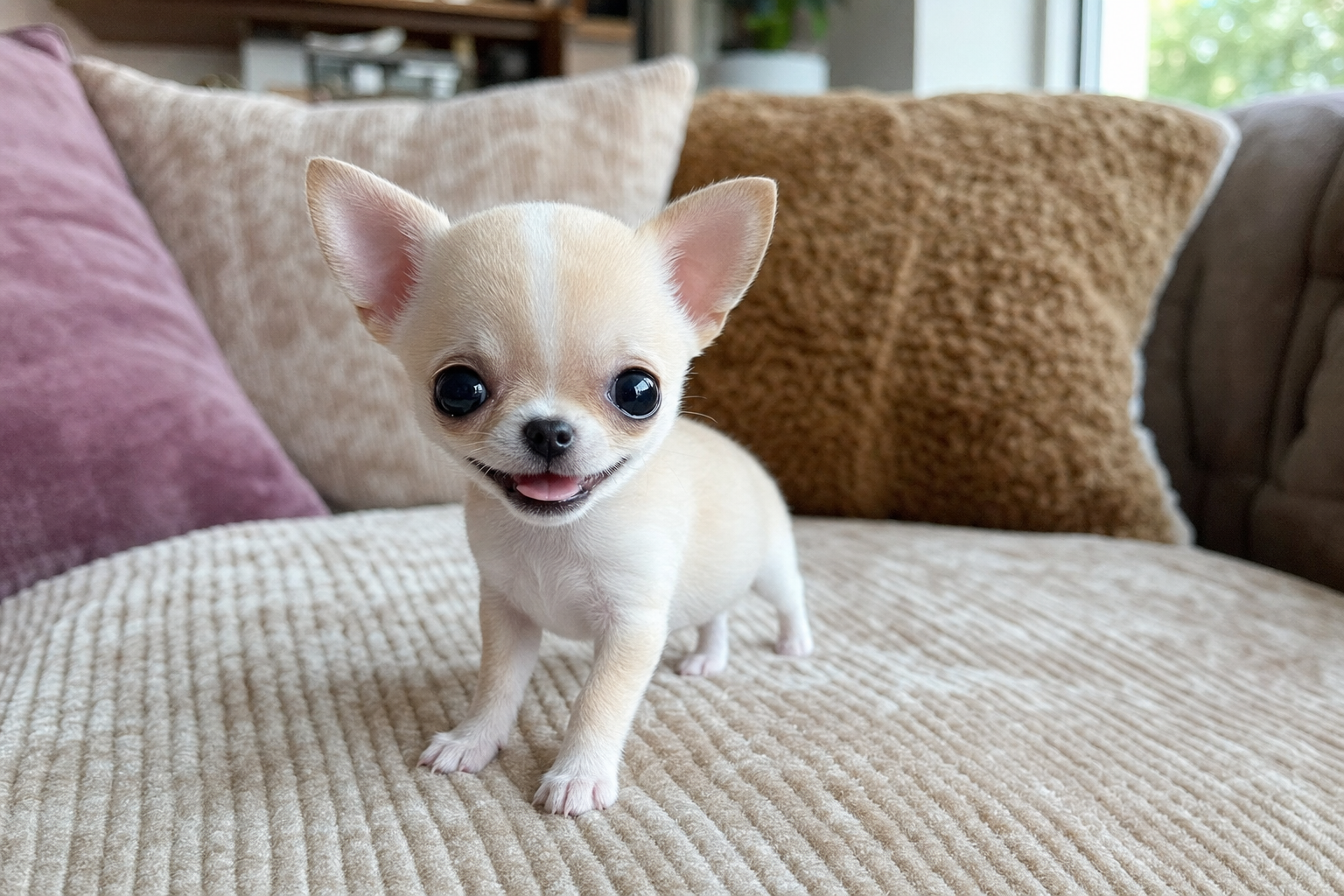
LOS ANGELES — As late summer unfolds, veterinary and breeder guidance for August 2026 is zeroing in on the critical first 16 weeks of a Chihuahua puppy's life, emphasizing structured routines and early socialization for long-term behavioral health.
What's new today
The conversation around raising a well-adjusted Chihuahua puppy is increasingly focused on proactive, early intervention. Trusted veterinary publications and experienced breeders are moving beyond basic care to highlight the profound impact of a structured daily life in these initial months. The current consensus emphasizes that a predictable routine—encompassing feeding, potty breaks, naps, and play—is the single most effective tool for preventing common behavioral issues like separation anxiety and inconsistent house training.
This August, there's a renewed push to reframe socialization. It's not just about meeting other dogs; it's about creating a rich tapestry of positive sensory experiences. Before a puppy is fully vaccinated, this means controlled exposure to household sounds (vacuums, doorbells), different floor textures, and the sight and sound of traffic from a safe distance. This approach, advocated by many animal behaviorists, helps build a confident, resilient adult Chihuahua, rather than a fearful or reactive one. For breeds as small and sensitive as the Chihuahua, this early foundation is considered non-negotiable for a happy coexistence in a human world.
Furthermore, breeders are reporting increased interest from prospective owners in the specifics of a puppy's early life. Questions are shifting from just 'are they healthy?' to 'what is their daily schedule?' and 'what kind of early neurological stimulation have they had?' This indicates a more educated buyer, and puts the onus on breeders to provide a robust, developmentally appropriate start for every Chihuahua puppy they raise.
Key takeaways
- Structure is Security: A consistent daily schedule for feeding, sleeping, and potty breaks helps a Chihuahua puppy feel secure and speeds up house training.
- The 16-Week Window: The period from 8 to 16 weeks is a critical socialization window. Focus on positive, controlled exposure to new sights, sounds, and gentle handling.
- Mental Stimulation Matters: Short, frequent training sessions and puzzle toys are as important as physical play for a Chihuahua puppy’s development.
- Crate as a Sanctuary: Introduce a crate as a safe, cozy den from day one. It should be a place for rest, not punishment, which is vital for house training and travel.
- Monitor Closely: Tiny puppies, especially Teacup Chihuahua puppies, require vigilant monitoring for signs of hypoglycemia (low blood sugar), such as lethargy or disorientation.
- Vet Partnership: Your veterinarian is your partner in tracking developmental milestones and establishing a proper health plan. Decide on vaccination and spay/neuter schedules with their direct input.
What it means for Chihuahua owners
For anyone bringing home a new Chihuahua puppy this season, this guidance translates into a clear action plan. The first few days and weeks are not just for cuddling—they are for establishing the blueprint of your dog's future behavior. Start by mapping out a daily schedule. For an 8-10 week old puppy, this means potty breaks every 1-2 hours (especially after waking, eating, and playing), three to four small meals a day, and designated nap times in their crate.
This structured approach helps manage their energy and prevents them from becoming overtired, which can lead to nipping and crankiness. It also builds a strong foundation for house training. When you take your puppy out on schedule and reward them for eliminating outside, you are communicating your expectations clearly and kindly.
When it comes to socialization, think quality over quantity. A calm five minutes watching cars from a park bench is more beneficial than a chaotic encounter at a busy market. Your goal is to build your puppy's confidence, showing them that the world is a safe and interesting place, with you as their trusted guide.
How do I find a reputable Chihuahua breeder near me?
Finding a reputable Chihuahua breeder involves research and asking the right questions. Look for breeders who specialize in Chihuahuas, are transparent about their health screening practices, and welcome questions. A legitimate breeder will want to know about your lifestyle to ensure a good match and will provide a clean, safe, and enriching environment for their puppies. They should be able to discuss the temperaments of the puppy's parents and provide documentation for health checks. You can often find such breeders through AKC resources, breed-specific clubs, or trusted referrals.
What is the difference between an apple head and deer head Chihuahua?
The primary difference lies in the head shape, as the names suggest. The Apple Head Chihuahua, which is the breed standard recognized by the American Kennel Club (AKC), has a well-rounded, apple-dome skull, a shorter snout, and large, expressive eyes. The Deer Head Chihuahua has a longer, more tapered head, a longer muzzle, and larger ears, resembling a young deer. While both are purebred Chihuahuas, only the Apple Head conformation is eligible for show competitions.
Expert tips from our breeder
- Feeding Schedule: For a young Chihuahua puppy (8-12 weeks), feed a high-quality puppy kibble softened with a little water, four times a day. This helps maintain stable blood sugar levels.
- Potty Training: Take your puppy out immediately upon waking, after every meal, after every play session, and right before bedtime. Use a consistent spot and a verbal cue like "go potty."
- Socialization Checklist: Each day, introduce your puppy to one new thing in a calm way. Examples: the sound of a hair dryer from another room, walking on a new surface like grass or carpet, or seeing a person in a hat from a distance.
- Handling Practice: Gently touch your puppy’s paws, ears, and mouth for a few seconds every day, followed by a treat. This prepares them for future vet exams and grooming.
- Safe Play: Use appropriately sized, durable toys. Avoid toys with small parts that can be chewed off and swallowed. Supervised play is always best.
How much does a teacup Chihuahua cost?
The price for any Chihuahua puppy can vary significantly based on factors like the breeder's reputation, the puppy's lineage, conformation (such as an Apple Head Chihuahua), and coat color or length (like a Long Hair Chihuahua). The term 'Teacup' is a marketing term for smaller-than-average Chihuahuas and not an official variety. For detailed information on what goes into the cost of a well-bred puppy, please see our guide on Chihuahua puppy prices.
This article is for educational purposes only and is not a substitute for professional veterinary advice. Always consult your veterinarian for your pet's health and wellness decisions.
Explore our available Chihuahua puppies or contact us to learn more about our program.