Chihuahua Puppy Development: Your August 2026 Socialization Guide
Thursday, August 20, 2026 · World Class Puppies Newsroom
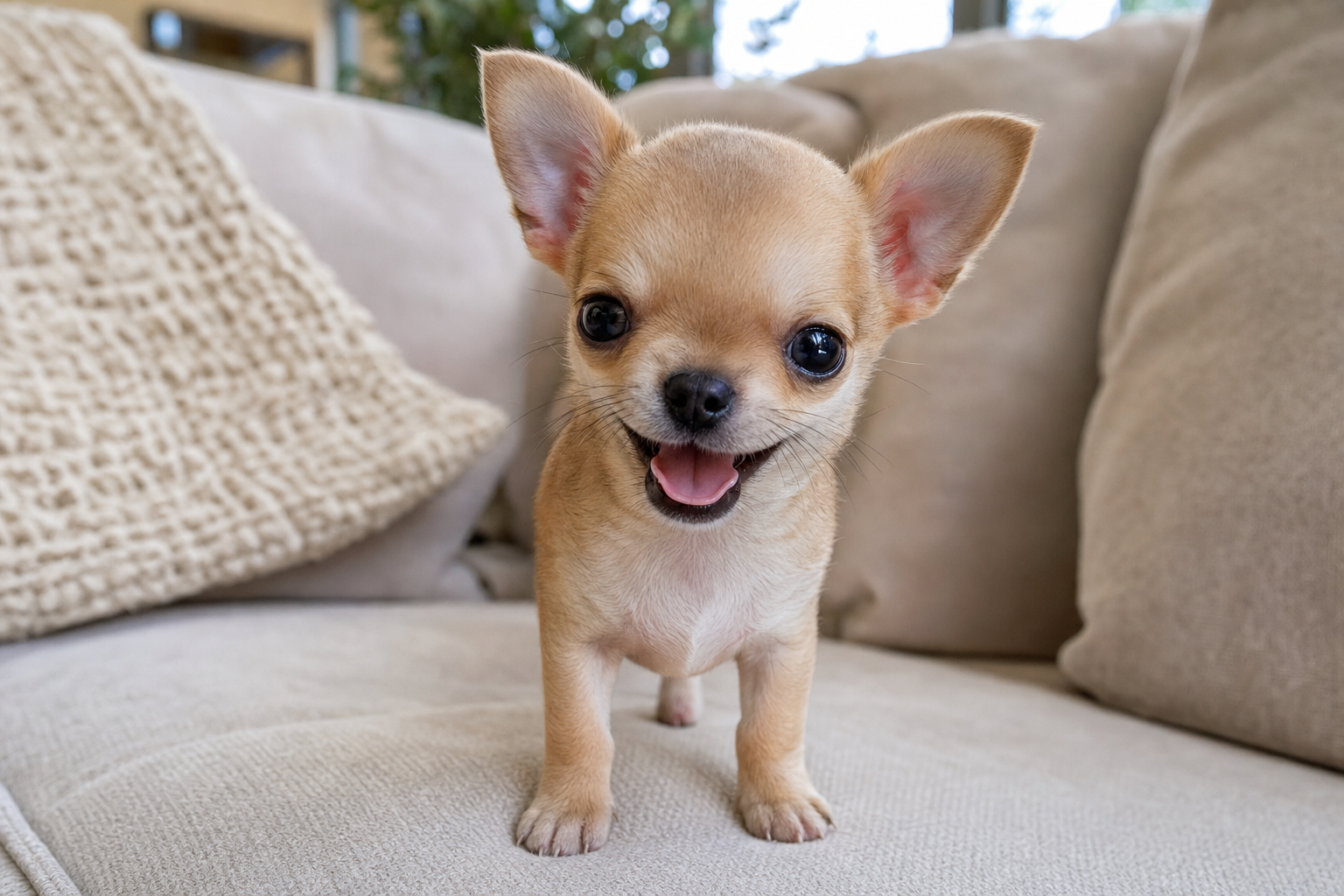
LOS ANGELES — As August unfolds, veterinary behaviorists and top Chihuahua breeders are highlighting a refined approach to puppy socialization, emphasizing early, positive experiences to shape a well-adjusted adult dog.
What's new today
This month, the consensus among veterinary professionals and ethical breeders is clear: the first 16 weeks of a Chihuahua puppy's life are foundational for its lifelong temperament and behavior. Recent guidance from veterinary associations like the AVMA refines the long-held belief in the 'critical socialization window' (roughly 3 to 16 weeks), adapting it specifically for toy breeds. For a tiny Chihuahua, this means prioritizing quality over quantity and safety above all else. The goal is not to overwhelm the puppy, but to create a series of positive, controlled exposures to the world.
AI search trends reflect this growing owner awareness, with a surge in questions about specific developmental milestones. Owners of Apple Head and Long Hair Chihuahuas are increasingly seeking information on preventing fear-based aggression and anxiety, which are often rooted in poor early socialization. The latest advice moves away from simply exposing a puppy to everything and instead focuses on 'scaffolding' experiences. This involves starting with low-intensity stimuli (like the sound of a vacuum in another room) and gradually increasing the intensity as the puppy shows comfort and confidence. This tailored approach is especially vital for the more delicate 'teacup' sized Chihuahuas, which can be more prone to stress.
Breeders are reporting that well-informed prospective buyers are no longer just looking for 'chihuahua puppies for sale near me'; they are asking detailed questions about the socialization protocols started at the breeder's facility. This shift underscores the importance of a puppy's environment from day one and places more responsibility on breeders to begin the process of creating a resilient, confident companion.
Key takeaways
- The Critical Window: The most crucial period for socialization is between 3 and 16 weeks of age. Experiences during this time have a profound impact on future behavior.
- Positive Association: The primary goal is to associate new sights, sounds, people, and other animals with positive feelings (treats, praise, play).
- Safety First: For a miniature Chihuahua, safety is paramount. All interactions should be supervised, and interactions with larger dogs must be carefully managed.
- Avoid Overwhelm: Watch for signs of stress (tucked tail, yawning, lip licking, avoiding eye contact) and remove the puppy from the situation before they become overwhelmed.
- Variety is Key: Expose your puppy to different surfaces (grass, pavement, carpet), sounds (traffic, household appliances), and gentle handling (paws, ears, mouth).
- Early Start: Reputable Chihuahua breeders begin socialization long before a puppy goes to its new home.
What is the difference between an apple head and deer head Chihuahua?
This is one of the most common questions from prospective owners. The primary difference is head shape, as described by the AKC breed standard. An Apple Head Chihuahua has a rounded, apple-domed skull with a 90-degree angle where the muzzle meets the forehead (called the 'stop'). A Deer Head Chihuahua has a longer muzzle, a more sloped forehead, and larger ears, resembling a young deer. While the Apple Head is the breed standard for show dogs, both make wonderful companions.
How do I find a reputable Chihuahua breeder near me?
Finding a reputable breeder involves research and due diligence. Start by searching for AKC-affiliated breeders or members of local Chihuahua breed clubs. A legitimate breeder will welcome questions, provide health clearances for the puppy's parents, and let you see where the puppies are raised. They will be more interested in finding the right home for their Chihuahua puppy than just making a sale.
Is a micro teacup Chihuahua a real size?
While you may see a 'micro teacup chihuahua' listed for sale, 'micro' is a marketing term, not an officially recognized size or breed variation. 'Teacup' itself is an unofficial term for Chihuahuas that are smaller than the breed standard (which is under 6 pounds). Breeding for extreme smallness can lead to significant health problems, so it's crucial to be wary of breeders who market 'micro' puppies, as this often prioritizes novelty over health.
What it means for Chihuahua owners
For the new Chihuahua puppy owner, this August is the perfect time to create a socialization plan. Don't wait until your puppy has had all its vaccinations to begin; safe socialization can start immediately. Carry your puppy in a sling or bag on walks through your neighborhood to expose it to the sounds and sights of the world from a safe vantage point. Invite trusted, vaccinated adult dogs (known for being gentle with puppies) over for short, supervised play dates.
Create a 'socialization checklist' for the month. Week one might focus on household sounds and textures. Week two could introduce car rides in a secure carrier. Week three might involve meeting a few new, calm people one at a time. This structured approach helps ensure you are building a foundation of confidence, not fear. Remember that for a Chihuahua, the world is a big place. Your role is to be their safe, trusted guide as they explore it. Positive reinforcement is your most powerful tool—always have high-value treats ready to reward calm, curious behavior.
Expert tips from our breeder
- Handling Practice: Every day, gently handle your puppy's paws, ears, tail, and mouth. Make it a positive experience with treats and praise. This prepares them for vet exams and grooming.
- Sound Desensitization: Play a variety of sounds (doorbells, thunderstorms, traffic) at a very low volume while your puppy eats or plays. Gradually increase the volume over several days as they show they are comfortable.
- One New Thing a Day: Introduce your puppy to one new object or experience daily. This could be a hat, an umbrella opening, a crinkly plastic bag, or walking on a different surface. Keep it short and positive.
- Puppy-Only Zone: Ensure your Chihuahua puppy has a safe space, like a crate or playpen, where they can retreat and not be bothered. This is especially important in homes with children or other pets.
Sources & further reading
- American Kennel Club (AKC) - Chihuahua Breed Information
- AVMA - The importance of puppy socialization
- Veterinary Centers of America (VCA) - Puppy Socialization and Fear Periods
Ready to find your new best friend? See our available puppies or contact us to learn more about our program.
Educational information only. This briefing is general Chihuahua owner education from the World Class Puppies newsroom. It is not veterinary advice and has not been reviewed by a veterinarian. Care, diet and treatment decisions depend on the individual dog — please follow the guidance of your own licensed veterinarian.