Chihuahua Health Briefing: Proactive Vet Care Trends for Fall 2026
Wednesday, September 23, 2026 · World Class Puppies Newsroom
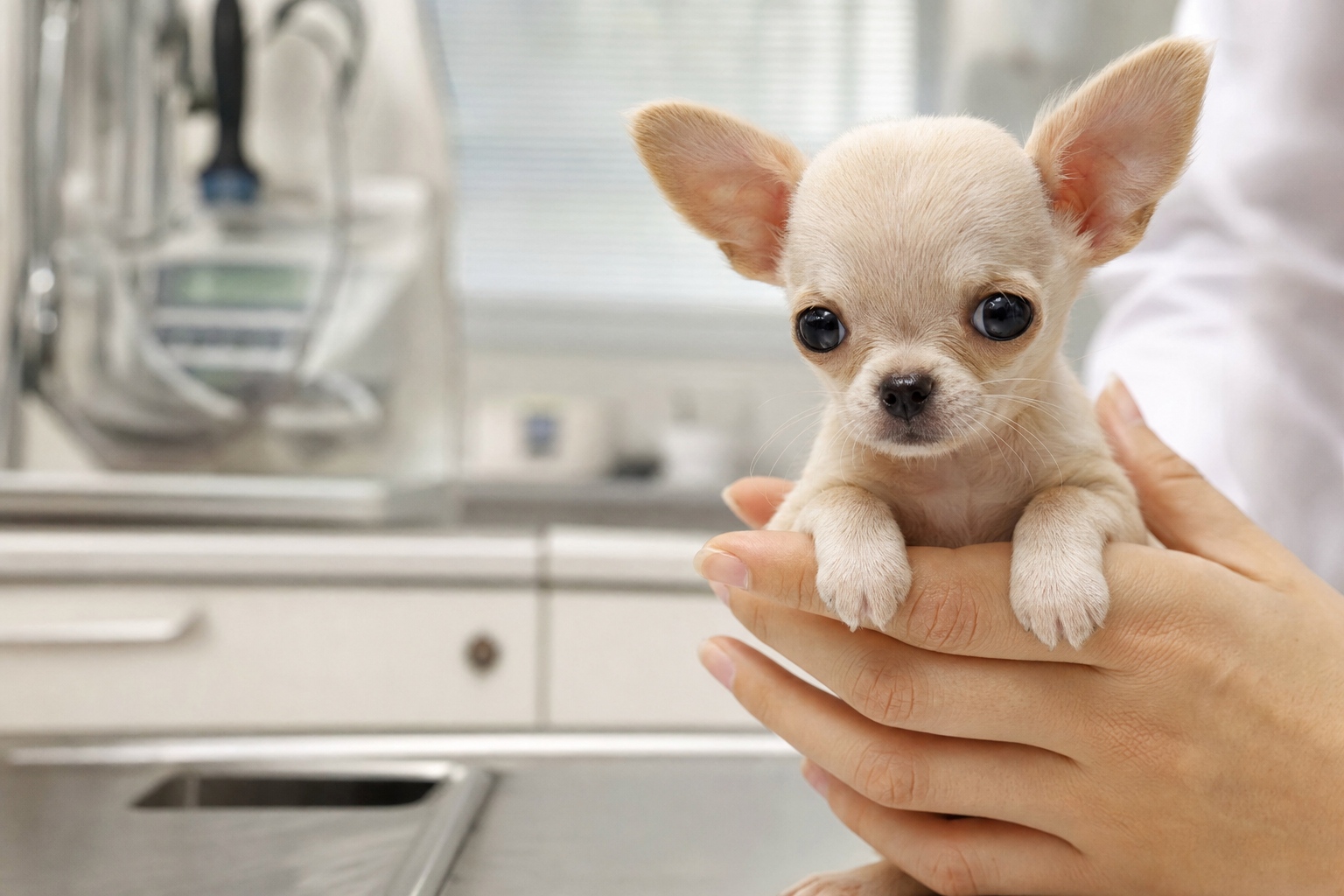
LOS ANGELES – As fall begins, veterinary sources are emphasizing a proactive approach to Chihuahua health, focusing on early screening and preventative care for common conditions like dental disease, patellar luxation, and heart murmurs.
What's new today
The landscape of veterinary medicine is shifting from reactive treatment to proactive wellness, a trend with significant benefits for the Chihuahua breed. Reputable veterinary publications and organizations are highlighting the importance of preventative care to extend the healthspan, not just the lifespan, of these small dogs. This September, the conversation centers on early and consistent management of the breed's most common genetic predispositions.
For Chihuahuas, this means a renewed focus on at-home dental hygiene from puppyhood, regular mobility checks for signs of patellar luxation (slipping kneecaps), and annual cardiac evaluations. This proactive stance begins with choosing a puppy from a health-focused breeder who performs screenings on their parent dogs. The goal is to identify potential issues before they become painful or costly, ensuring a higher quality of life for the Chihuahua. This approach is especially critical for tiny companions like the teacup Chihuahua and miniature Chihuahua, whose small size can make them more delicate.
Key takeaways
- Preventative Dental Care is Crucial: Chihuahuas are prone to dental crowding and periodontal disease. Vets now recommend daily or near-daily brushing and annual professional cleanings.
- Early Mobility Screening: Patellar luxation is common. Owners should watch for skipping, limping, or a "bunny hop" gait and discuss it with their vet, even in young puppies.
- Heart Health Monitoring: Mitral valve disease can develop in Chihuahuas. Annual wellness exams where the vet listens for heart murmurs are a key preventative step.
- Vaccination Strategy: Modern veterinary guidance often suggests tailored vaccination schedules based on a dog's specific lifestyle and risk factors. This is a crucial conversation to have with a veterinarian.
- The Role of the Breeder: A proactive health journey starts with the breeder. Responsible chihuahua breeders who screen for genetic conditions provide the best foundation for a healthy life.
What it means for Chihuahua owners
Adopting a proactive mindset means becoming a vigilant partner in your Chihuahua's health. Instead of waiting for symptoms to appear, the modern approach involves creating a routine of preventative actions. This starts with nutrition. A high-quality, balanced diet is fundamental for preventing hypoglycemia, especially in smaller Chihuahua puppies, and supporting overall health.
Regular at-home check-ups are also essential. Gently check your Chihuahua's teeth for plaque, watch how they move and play, and take note of any changes in appetite or energy levels. These small observations can provide your veterinarian with valuable information during wellness visits. Building a strong relationship with a vet who understands small breeds allows for collaborative decisions on everything from diet to a long-term care plan. This partnership ensures that your Chihuahua, whether a long hair Chihuahua or an apple head Chihuahua, receives care that is tailored to their specific needs.
What is the difference between an apple head and deer head Chihuahua?
The primary difference lies in their head structure, as described by breed enthusiasts and standards. An Apple Head Chihuahua, which is the type favored in the show ring according to the AKC breed standard, has a rounded, apple-domed skull with a short muzzle that meets the head at a near 90-degree angle. A Deer Head Chihuahua has a longer, more tapered muzzle, a less pronounced stop, and a head shape that is flatter and more similar to that of a small deer. While both can be purebred Chihuahuas, the Apple Head look is what is specified for conformation competitions.
Finding a Health-Focused Breeder
Starting with a healthy puppy is the first and most important step in proactive care. A reputable breeder is transparent about the health and genetic background of their Chihuahua puppies.
How do I find a reputable Chihuahua breeder near me?
Finding a reputable local breeder involves research. Look for breeders who provide a comprehensive health guarantee, are willing to answer all your questions, and can speak in detail about the health and temperament of their puppies' parents. They should allow you to see where the puppies are raised (either in person or via video call) and provide health records. Searching for "chihuahua breeders" or "apple head chihuahua for sale" online is a start, but always follow up with thorough vetting of their practices and reputation. Avoid those who seem to offer a chihuahua for sale with no questions asked.
Are there Chihuahua breeders in Las Vegas or Miami?
Yes, there are breeders located across the country, and many serve clients in major cities like Las Vegas and Miami. For those seeking the highest quality, it's often more important to find the right breeder than the closest breeder. Many top-tier breeders, including those specializing in teacup Chihuahua puppies for sale, offer safe, hand-delivery services with a flight nanny. This ensures your new puppy travels safely and comfortably to your nearest major airport, whether you're looking for Chihuahuas in Los Angeles or across the country.
Expert tips from our breeder
- Start Dental Care Immediately: Use a fingertip brush and dog-specific enzymatic toothpaste on your Chihuahua puppy 3-5 times a week to get them used to the routine.
- Use a Harness, Not a Collar: Protect your Chihuahua's delicate trachea from collapse by always using a well-fitting harness for walks.
- Annual Wellness Exams are Non-Negotiable: Schedule a comprehensive check-up with your vet every year. This is the cornerstone of proactive care and early detection.
- Learn to Spot Hypoglycemia: Keep corn syrup or a high-calorie supplement on hand, especially for a tiny teacup Chihuahua. Learn the signs of low blood sugar: lethargy, stumbling, and disorientation. Decide with your veterinarian on a clear action plan.
- Socialize Safely: A well-socialized puppy is less prone to stress-related behaviors. Introduce your Chihuahua puppy to new sights and sounds in a controlled, positive way, but wait until their vaccination series is complete before visiting dog parks.
This article is for educational purposes only and is not a substitute for professional veterinary advice. All health decisions for your Chihuahua, including vaccination schedules and treatment plans, should be made in consultation with your own licensed veterinarian.
Sources & further reading
- American Kennel Club (AKC) - Chihuahua Breed Information
- American Veterinary Medical Association (AVMA) - Pet Care
- Patellar Luxation in Small Dogs - VCA Animal Hospitals
Explore our available Chihuahua puppies or contact us to learn more about our breeding program.