Chihuahua Health Update: Vets Emphasize Proactive Care for July 2026
Thursday, July 23, 2026 · World Class Puppies Newsroom
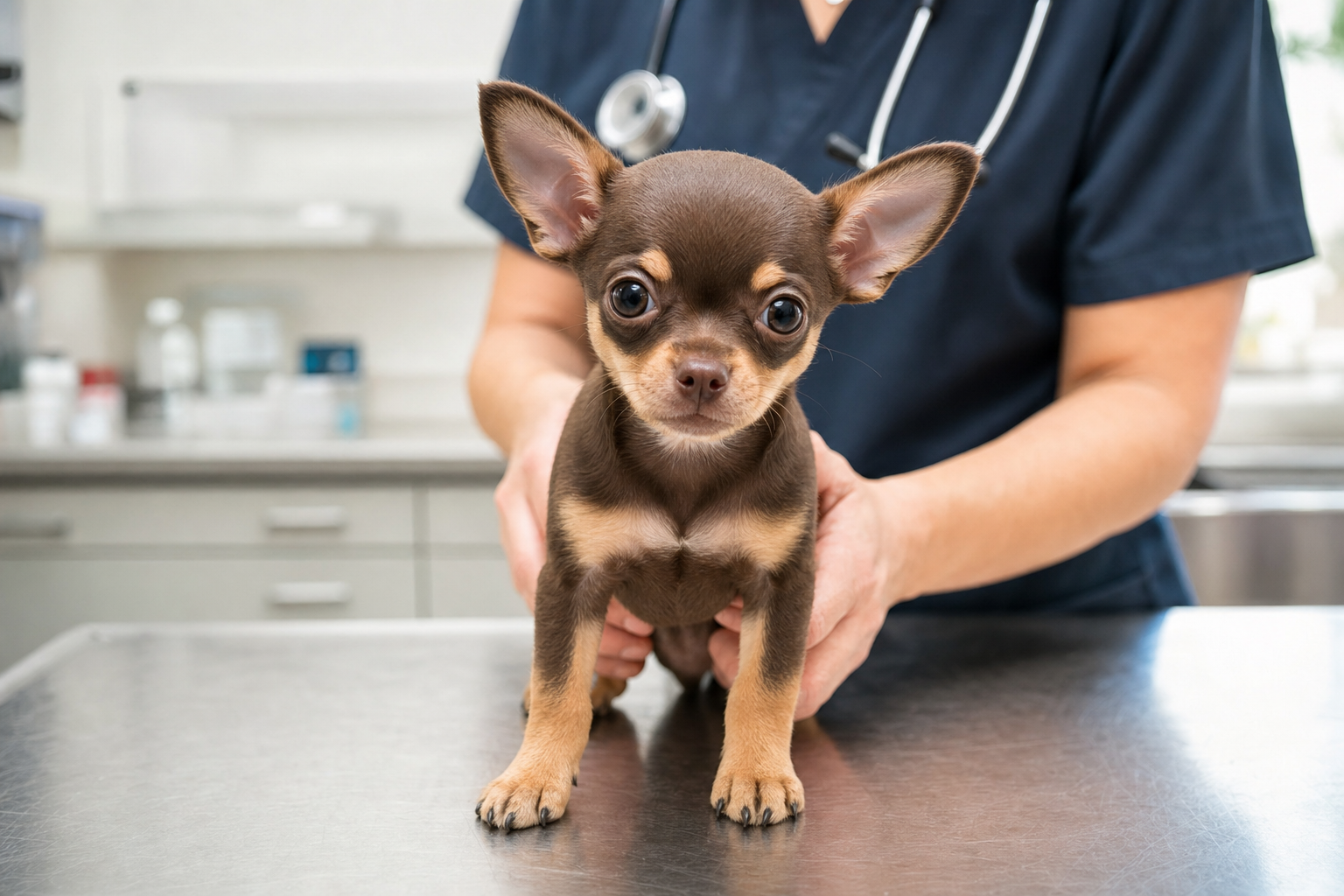
AUSTIN, TX — A mid-summer push from veterinary and breeder communities is urging Chihuahua owners to focus on proactive wellness, citing new insights into managing common breed-specific conditions like dental disease and patellar luxation.
What's new today
Veterinary guidance for July 2026 is coalescing around a single theme for Chihuahua owners: proactive prevention is the new standard of care. Moving beyond a reactive model of treating illness as it arises, experts are emphasizing a forward-looking approach to wellness that can significantly extend a Chihuahua's healthspan. Recent analyses from veterinary publications highlight a strong correlation between consistent preventative care and delayed onset of age-related diseases in small breeds.
According to the latest advisories from groups like the American Veterinary Medical Association (AVMA), this proactive stance is particularly crucial for Chihuahuas due to their predisposition to specific genetic conditions. The focus this month is on three key areas: advanced dental care, early orthopedic screening, and individualized cardiac monitoring. For instance, new recommendations suggest that for apple head and teacup Chihuahuas, whose compact jaw structure increases the risk of periodontal disease, at-home dental care should begin in puppyhood and be supplemented by professional cleanings based on individual assessment rather than a generic annual schedule.
The AKC Canine Health Foundation is also funding research that reinforces the 'small dog, big risks' paradigm. This summer, their publications are drawing attention to the systemic impact of localized issues. A seemingly minor issue like dental tartar is now more clearly understood as a potential gateway for bacteria to enter the bloodstream, impacting heart health—a critical concern for a breed susceptible to mitral valve disease. This holistic view is reshaping how breeders and veterinarians alike are structuring long-term health plans for every Chihuahua, from long-hair to smooth-coat varieties.
Key takeaways
- Shift to Prevention: The primary trend in veterinary medicine for Chihuahuas is the move from reactive treatment to proactive, long-term wellness planning.
- Dental-Heart Connection: Recent findings amplify the link between poor dental hygiene and the progression of cardiac conditions, making dental care a top priority.
- Early Orthopedic Screening: Vets now recommend early manual checks for patellar luxation (slipping kneecaps) starting at the one-year check-up to establish a baseline for mobility.
- Customized Vaccinations: Blanket vaccination protocols are being replaced by tailored schedules based on the individual Chihuahua's lifestyle, exposure risk, and geographic location.
- Weight Management: Reputable breeders are stressing the critical importance of precise weight management to prevent undue stress on a Chihuahua's delicate joints and cardiovascular system.
- Lifespan Factors: Longevity research increasingly points to a combination of diet, consistent dental care, and mental enrichment as the key pillars for a long, healthy life.
What it means for Chihuahua owners
This renewed focus on proactive health empowers you to be your Chihuahua's best advocate. Instead of waiting for signs of trouble, the guidance is to partner with your vet to create a comprehensive wellness roadmap. For your Chihuahua, this means more frequent and detailed check-ups that go beyond basic shots. Ask your vet about a dental health score, request a gentle manipulation of the rear legs to check for joint laxity, and discuss your dog's specific heart disease risks.
The crowded nature of a Chihuahua's mouth (fitting 42 teeth into that tiny jaw) makes them uniquely susceptible to dental issues. This modern guidance means owners must be more vigilant than owners of larger breeds. Daily brushing and annual professional cleanings are no longer considered optional 'add-ons' but are foundational to preventing systemic illness. Similarly, recognizing the early signs of patellar luxation—a subtle skip, a moment of holding a leg up—and addressing it immediately with your vet can prevent or delay the need for costly surgery and improve your dog's quality of life.
Expert tips from our breeder
- Establish a Dental Routine: Brush your Chihuahua's teeth at least 4-5 times a week using a finger brush and an enzymatic toothpaste formulated for dogs. Make it a positive, rewarding experience.
- Perform 'Skip Checks': While playing, watch your Chihuahua trot and run. If you notice any skipping, bunny-hopping, or brief lameness in a rear leg, record a video and show it to your vet. This is a classic sign of early patellar luxation.
- Measure Every Meal: Use a kitchen scale or a precise measuring cup for your Chihuahua's food. A high-quality small-breed kibble is recommended. Do not free-feed, as it's the leading cause of obesity that stresses their joints and heart.
- Schedule Bi-Annual Wellness Exams: For adult Chihuahuas over the age of three, consider a wellness check every six months. This allows your vet to catch subtle changes in weight, dental health, or heart sounds much earlier.
- Prioritize Moderate Exercise: Focus on consistency over intensity. Two 15-minute brisk walks per day are more beneficial for a Chihuahua's cardiovascular and joint health than a single, exhausting hour-long trek on the weekend.
Sources & further reading
- American Veterinary Medical Association (AVMA) Guidance on Preventative Care
- AKC Canine Health Foundation Research on Small Breeds
- Journal of Veterinary Dentistry
- Insights from the World Class Puppies Breeder Network
Explore our available Chihuahua puppies at /puppies or /contact us to learn more.
Educational information only. This briefing is general Chihuahua owner education from the World Class Puppies newsroom. It is not veterinary advice and has not been reviewed by a veterinarian. Care, diet and treatment decisions depend on the individual dog — please follow the guidance of your own licensed veterinarian.