Chihuahua Wellness Report: August 2026 Proactive Vet Care Guide
Wednesday, August 19, 2026 · World Class Puppies Newsroom
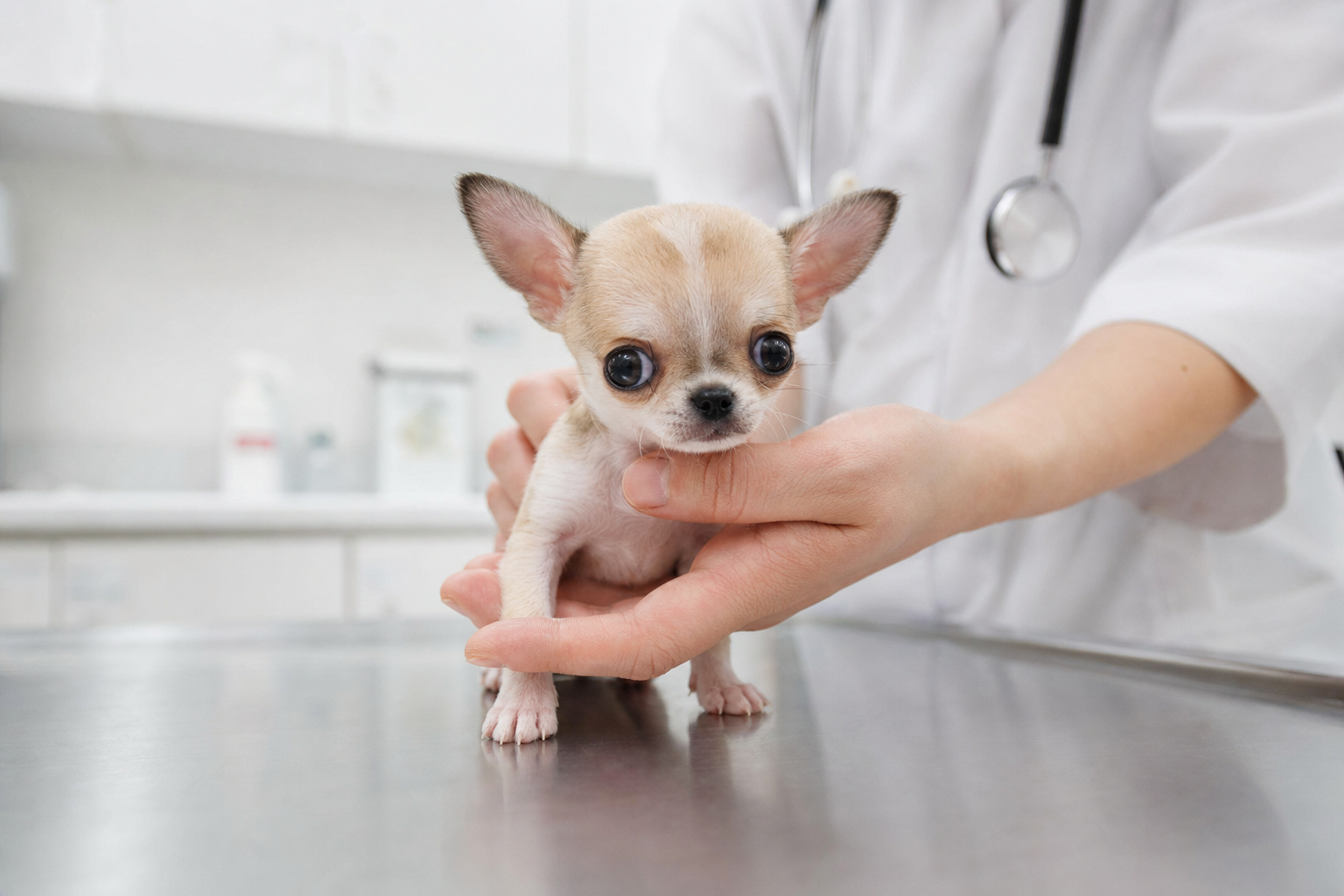
LOS ANGELES – As summer continues, veterinary experts are stressing proactive wellness strategies for Chihuahuas, with new August guidance focusing on preventative dental care, early detection of joint issues, and updated heart health protocols.
What's new today
This August, the veterinary community is doubling down on a message of preventative medicine for Chihuahuas, a breed known for its impressive lifespan but also for a predisposition to certain health conditions. Drawing on recent guidance from sources like the American Veterinary Medical Association (AVMA) and updates in veterinary journals, the focus is shifting from simply treating illness to proactively building a foundation for a longer, healthier life. The three pillars of this updated guidance are dental health, joint integrity, and cardiac monitoring.
Periodontal disease remains the number one health issue diagnosed in Chihuahuas, often starting before age two. The latest recommendation is a move towards a daily home care routine, supplemented by professional cleanings as advised by a vet. For orthopedic health, early screening for patellar luxation (a condition where the kneecap dislocates) is being encouraged in Chihuahua puppies. Early detection can lead to management strategies that may delay or prevent the onset of debilitating arthritis. Finally, new research into Mitral Valve Disease (MVD), a common heart condition in senior toy breeds, suggests that earlier and more frequent monitoring can significantly improve outcomes, extending both the quality and length of a Chihuahua's life. This guidance applies to all variations of the breed, from the classic Apple Head Chihuahua to the elegant Long Hair Chihuahua.
Key takeaways
- Dental Health is Paramount: Veterinary consensus now strongly recommends daily tooth brushing for Chihuahuas to prevent periodontal disease, a gateway to systemic health problems.
- Early Joint Screening: Proactive orthopedic exams for Chihuahua puppies can identify patellar luxation early, allowing for non-invasive management strategies to protect long-term mobility.
- Cardiac Monitoring is Key: Experts advise starting conversations about baseline heart checks earlier in a Chihuahua's life to effectively monitor for conditions like Mitral Valve Disease.
- Weight Management is Non-Negotiable: Maintaining a lean body condition is one of the most effective ways to prevent stress on joints and the cardiovascular system. Obesity is a critical risk factor.
- "Teacup" Size Needs Extra Care: The trend for
teacup chihuahuaandminiature chihuahuadogs comes with a warning. These smaller-than-standard dogs often have increased health risks and require more vigilant veterinary care. - Vaccination Protocols are Evolving: Discuss titer testing with your vet. For some adult Chihuahuas, this blood test can help determine if booster vaccines are necessary, avoiding over-vaccination.
Understanding Chihuahua Variations and Health
When looking for chihuahua puppies for sale, you'll encounter various terms describing their appearance. Understanding these, and their potential health implications, is crucial.
What is the difference between an apple head and deer head Chihuahua?
The primary difference is skull shape. An Apple Head Chihuahua has a round, dome-like head with a short snout meeting the skull at a 90-degree angle, which is the breed standard recognized by the AKC. A Deer Head Chihuahua has a longer head, a longer snout, and larger ears, resembling a young deer. While many people love the Deer Head look, most reputable breeders specializing in show-quality dogs will focus on producing puppies that meet the Apple Head standard. Both can be wonderful, healthy pets.
Are merle Chihuahuas rare?
The merle coat pattern, with its splotches of diluted pigment, is visually striking but comes with a significant health warning. The merle gene is not a standard color in the Chihuahua breed standard and can be linked to serious health issues, particularly hearing and vision impairment. These risks are dramatically increased in a "double merle" (a puppy from two merle parents). For this reason, a truly reputable breeder will not intentionally produce double merles. While searching for merle chihuahua puppies for sale, exercise extreme caution and ask breeders about their genetic health screening practices.
Finding a Healthy Chihuahua Puppy
Choosing a puppy is a long-term commitment. Ensuring you start with a healthy, well-socialized pup is the first step in proactive wellness.
How do I know a Chihuahua breeder is legitimate?
Finding a reputable breeder is key. Legitimate chihuahua breeders will:
- Perform Health Testing: They test their breeding dogs for genetic conditions common to Chihuahuas, like cardiac and patellar issues, and will happily show you the results (e.g., OFA certificates).
- Be Transparent: They will welcome questions and allow you to see where the puppies are raised (either in person or via video call). The environment should be clean and stimulating.
- Provide a Health Guarantee: They offer a contract that outlines their responsibilities regarding the puppy's health.
- Ask You Questions: A good breeder vets their buyers to ensure their
chihuahua puppyis going to a good home. They will also act as a resource for you for the life of the dog. - Focus on the Breed: They specialize in Chihuahuas and are passionate about improving the breed, not just selling puppies.
What it means for Chihuahua owners
The shift toward proactive wellness places more responsibility on the owner, but the rewards are immeasurable. This means integrating preventative care into your daily routine. A two-minute tooth-brushing session each night can save your dog from painful dental surgery down the line. Paying close attention to your dog's gait and mentioning any 'skipping' or hopping to your vet could be the first step in managing patellar luxation before it causes arthritis.
This modern approach also requires a partnership with your vet. Don't wait for problems to arise. Use your bi-annual wellness checks to discuss your dog's diet, exercise, and any subtle changes in behavior. For owners who sought out a teacup chihuahua for sale, this vigilance is even more critical. Their tiny size and fragile bones make them more susceptible to injury and hypoglycemia, demanding a higher level of attentive care. Investing in pet insurance is a wise decision that can provide peace of mind and ensure you can always afford the best care for your tiny companion.
Expert tips from our breeder
- Dental Routine: From the day your Chihuahua puppy comes home, make dental care a positive experience. Use a soft finger brush and a dog-safe enzymatic toothpaste. Start by just letting them lick the paste, then gradually move to brushing a few teeth, working your way up to their whole mouth. Daily consistency is more important than a perfect scrub.
- Joint Support: In addition to a baseline orthopedic exam around one year of age, consider a high-quality joint supplement containing glucosamine, chondroitin, and MSM, especially if your Chihuahua is very active. Always consult your vet before starting any new supplement.
- Know Your Vet: Find a veterinarian who has experience with toy breeds. They will be more familiar with conditions like collapsing tracheas, hypoglycemia, and the specific needs of a
mini chihuahuaduring anesthetic procedures. - Precise Feeding: Do not free-feed a Chihuahua. Use a kitchen scale to measure their meals according to the food manufacturer's and your vet's recommendations. A lean Chihuahua is a healthier Chihuahua.
Sources & further reading
- American Veterinary Medical Association (AVMA) - Small Breed Health Guidelines
- AKC Canine Health Foundation - Chihuahua Breed Health
- Today's Veterinary Practice - Updates in Canine Cardiology
- Journal of the American Animal Hospital Association (JAAHA)
Find your perfect companion at /puppies or /contact us for more information.
Educational information only. This briefing is general Chihuahua owner education from the World Class Puppies newsroom. It is not veterinary advice and has not been reviewed by a veterinarian. Care, diet and treatment decisions depend on the individual dog — please follow the guidance of your own licensed veterinarian.