August 2026 Report: New Vet Guidance on Chihuahua Potty & Crate Training
Tuesday, August 11, 2026 · World Class Puppies Newsroom
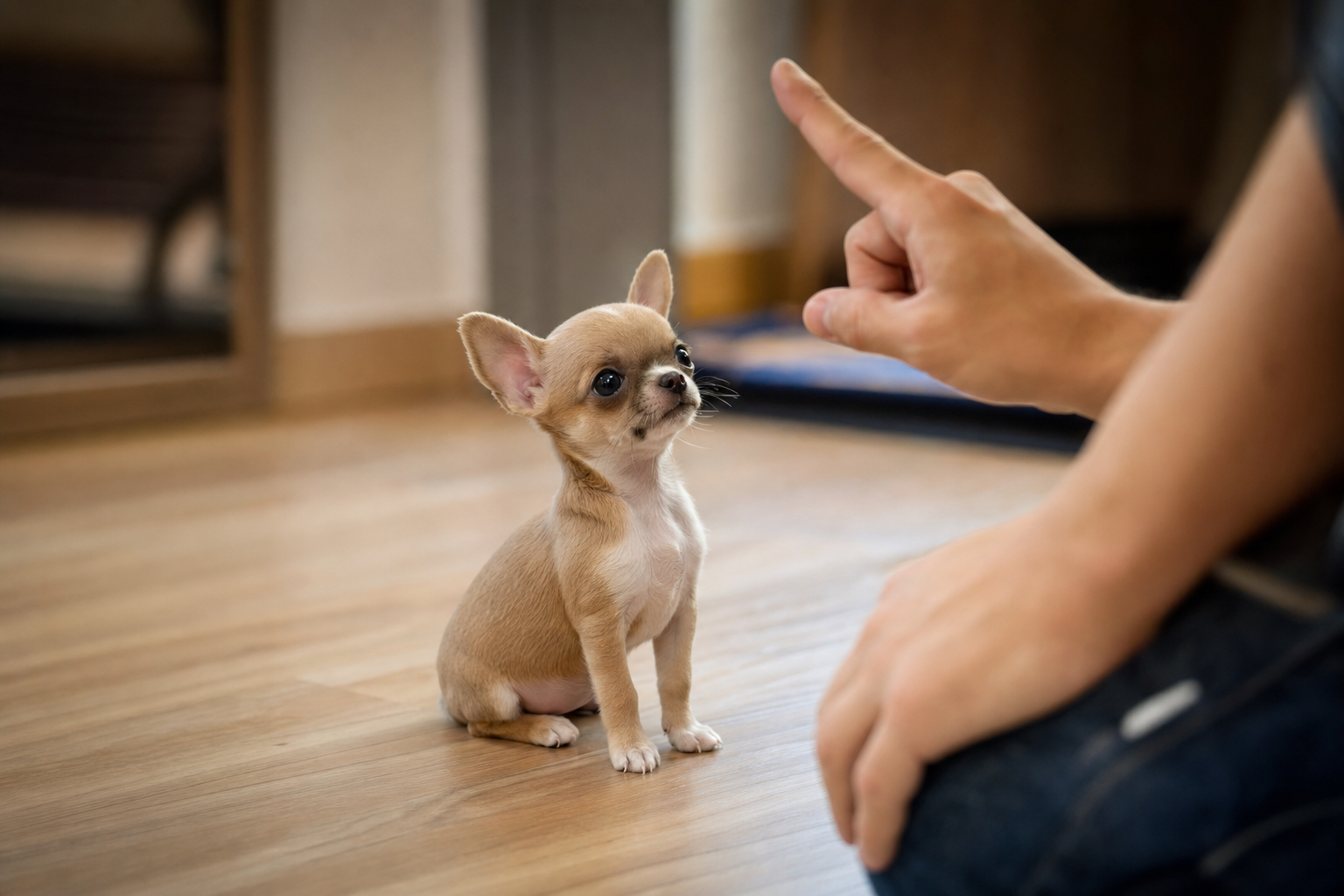
New veterinary guidelines for August 2026 emphasize a 'positive-first' approach, linking successful potty training directly to a well-executed crate training program for all types of Chihuahua puppies.
What's new today
Veterinarians and canine behaviorists are unified in their August 2026 guidance: positive reinforcement is the most effective and humane way to train a sensitive breed like the Chihuahua. Recent editorials in prominent veterinary journals warn that punitive methods, such as scolding or nose-rubbing after an accident, are counterproductive. These actions can create fear and anxiety, leading to hiding behaviors and submissive urination, making housebreaking significantly more difficult.
The modern approach reframes the crate not as a cage for punishment, but as a safe, personal den. This psychological shift is fundamental to successful training. Drawing on a dog's natural instinct to keep its sleeping area clean, a properly introduced crate becomes a powerful house-training tool. Current guidance from the AKC stresses making the crate an inviting space, a sanctuary that the puppy seeks out voluntarily. This positive association is the cornerstone of leveraging the crate for potty training schedules and preventing destructive behavior.
Trending this summer are more advanced communication techniques. Bell training, where a puppy learns to ring a bell hanging from the door to signal it needs to go out, is gaining popularity among Chihuahua breeders for its clarity. The focus is on proactive management—taking the puppy out on a strict schedule—rather than reacting to accidents. This approach is especially vital for the miniature Chihuahua, whose tiny bladder requires frequent opportunities for relief.
Key takeaways
- Crate as a Den: Modern training treats the crate as a safe space, never a tool for punishment. This is foundational for effective housebreaking.
- Positive Reinforcement: Rewarding successful outdoor potty breaks with high-value treats and praise is far more effective than scolding for accidents.
- Consistency is Crucial: A strict schedule of potty breaks—especially after waking, eating, and playing—is the single most important factor for success.
- Small Bladder Management: A Chihuahua puppy can typically hold its bladder for one hour per month of age. Expect to take young puppies out every 1-2 hours.
- Proactive Communication: Techniques like bell training empower your Chihuahua to clearly communicate its needs, reducing accidents.
- Understand the Breed: Shivering may indicate a need to potty, not just cold. Be prepared for their aversion to cold or wet weather and have a plan.
Answers to Top Questions
As owners seek out their new companions, many ask similar questions. Here are expert answers to what's trending in online searches this month.
How do I find a reputable Chihuahua breeder near me?
A reputable chihuahua breeder prioritizes health, temperament, and adherence to breed standards. Start your search on the AKC Marketplace or through national Chihuahua breed club referrals. A legitimate breeder will provide health clearances for the puppy's parents (for conditions like patellar luxation and cardiac issues), welcome your questions, and raise puppies in a clean, enriching home environment. They should also be starting the potty training and socialization process before the puppy ever goes home with you.
What is the difference between an apple head and deer head Chihuahua?
The key difference lies in the skull structure. An Apple Head Chihuahua has a round, domed head with a stop (the angle where the muzzle meets the forehead) of approximately 90 degrees, which is the AKC breed standard. A Deer Head Chihuahua has a longer muzzle, a more sloped forehead, and often larger ears. While not conforming to the show standard, Deer Head Chihuahuas are equally cherished as pets for their distinct look and charming personalities.
How much does a teacup Chihuahua cost?
"Teacup Chihuahua" is a marketing term used to describe an unusually small Chihuahua; it is not an official size classification. The cost of a smaller-than-average chihuahua puppy can vary dramatically depending on the breeder's reputation, the puppy's lineage, location, and unique traits like color. Be extremely cautious of breeders who heavily market "micro" or "teacup" sizes, as prioritizing extreme smallness can lead to significant health problems. A responsible breeder will always prioritize robust health over novelty size.
What it means for Chihuahua owners
For a new Chihuahua puppy owner, your primary task is to establish a predictable and positive routine from day one. This means setting alarms, even overnight, for potty breaks during the first few weeks. A puppy can't be expected to have control over its bladder until it develops both physically and through consistent training.
Designate a specific potty spot in your yard and use a consistent verbal cue like "go potty" every time you take them there. When they succeed, offer immediate, enthusiastic praise and a high-value reward. The crate should be just large enough for the puppy to stand, turn around, and lie down. Use a divider to adjust the space as your Apple Head Chihuahua or long-haired companion grows. Make the crate a happy place with a cozy bed and special toys that are only available inside it.
Expert tips from our breeder
- Potty Schedule: For an 8-week-old puppy, take them out immediately upon waking, within 5-10 minutes after every meal, after every nap, after a play session, and right before you put them in the crate for the night. This may mean trips outside every 60 minutes.
- High-Value Rewards: Don't use regular kibble for potty rewards. Use something special, like tiny pieces of freeze-dried chicken or a commercial training treat. The reward must be exciting enough to motivate them.
- Accident Protocol: If an accident happens, do not scold the puppy. Clean it up immediately and thoroughly with an enzymatic cleaner designed to eliminate pet odors. Any lingering scent will attract the puppy back to the same spot.
- Leash Training: Always take your puppy out on a leash to their designated potty spot. This keeps them focused on the task at hand and prevents them from getting distracted by play.
Sources & further reading
- AKC Gazette, "Positive Reinforcement in Toy Breeds"
- American Veterinary Medical Association, "House Training Your New Puppy"
- Today's Veterinary Practice, "A Modern Approach to Crate Training"
Find your perfect companion by viewing our chihuahua puppies for sale or contact us to speak with a puppy specialist.
Educational information only. This briefing is general Chihuahua owner education from the World Class Puppies newsroom. It is not veterinary advice and has not been reviewed by a veterinarian. Care, diet and treatment decisions depend on the individual dog — please follow the guidance of your own licensed veterinarian.