Chihuahua Wellness: October 10 Briefing on Teeth, Knees and Heart
Sunday, October 11, 2026 · World Class Puppies Newsroom
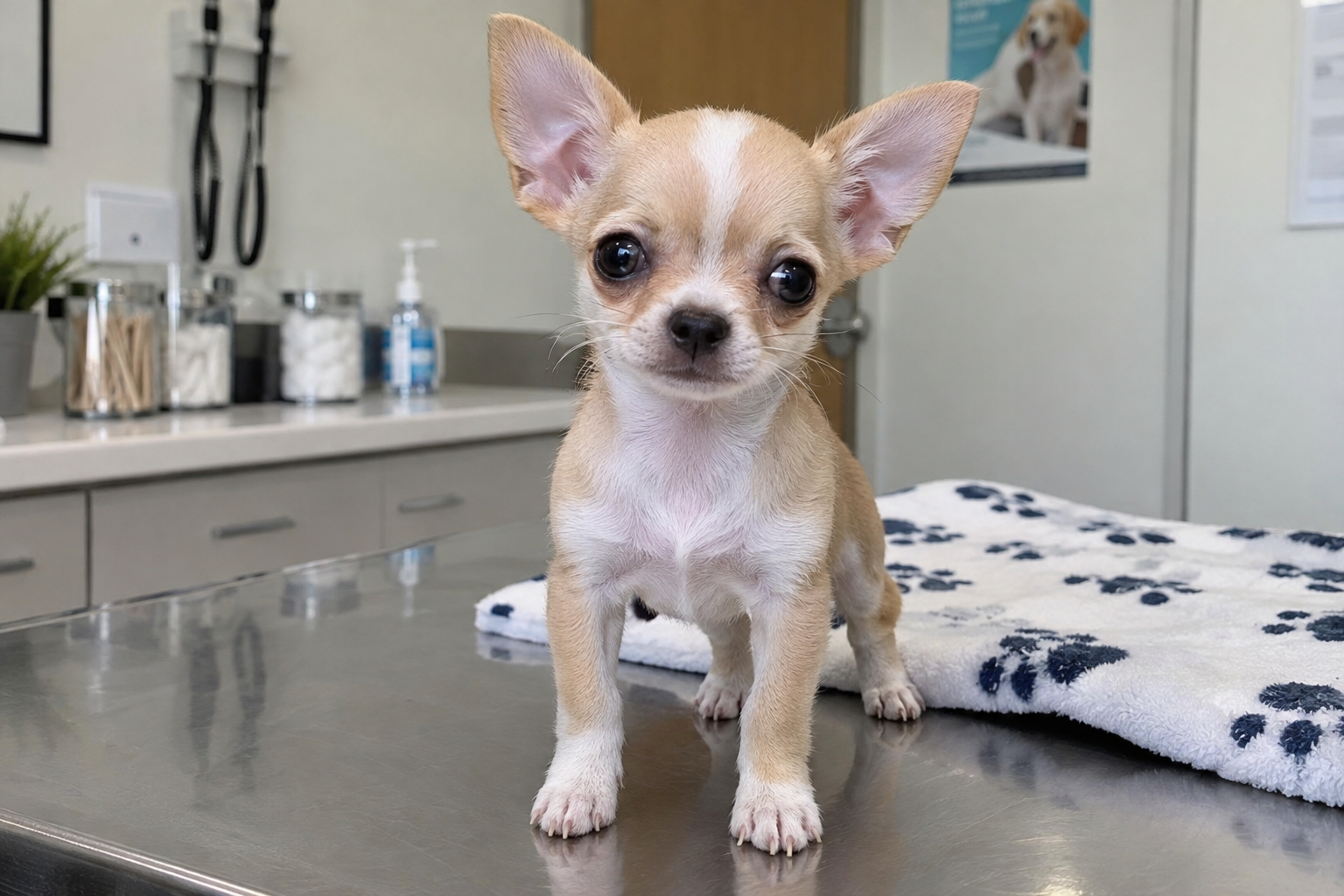
Saturday, October 10, 2026 — Today’s Chihuahua wellness briefing focuses on a practical October review: dental comfort, kneecap concerns, heart questions, and vaccination records.
Today's owner briefing
The useful health story this week is preparation, not a newly announced breakthrough. The public guidance linked below provides an established foundation for Chihuahua care; this briefing does not identify a verified October research release, revised vaccine schedule, or new lifespan finding. Its focus is how owners can turn that guidance into better veterinary conversations this fall.
AKC Chihuahua information highlights dental care, heart concerns, and patellar luxation among relevant health considerations. AVMA owner guidance explains why oral examinations and individualized vaccination decisions matter. ACVS educational material describes how a displaced kneecap can affect movement. Together, these sources support a focused visit agenda—not a diagnosis based on breed or an online checklist.
What health problems should Chihuahua owners watch for?
Chihuahua owners should discuss dental disease, patellar luxation, and heart concerns with their veterinarian, while remembering that a breed-associated concern is not an individual diagnosis. Changes in chewing, walking, stamina, or breathing deserve attention because several different problems can produce similar signs. A short record of what changed and when is more useful than trying to assign a condition at home.
For movement, ACVS guidance describes intermittent skipping or carrying a hind leg as possible signs of patellar luxation. A Chihuahua that briefly lifts a leg and then resumes walking may appear comfortable afterward, but the pattern still belongs in the veterinary history. The examination determines whether the kneecap is involved and what any finding means for that individual Chihuahua.
Heart health requires the same separation between observation and diagnosis. A cough does not establish heart disease, and normal-looking activity does not replace an examination. Ask what the veterinarian hears during the heart examination and whether the findings justify further evaluation; avoid treating a breed description as a testing prescription.
Does my Chihuahua need dental care if they still eat normally?
Yes—continuing to eat does not establish that a Chihuahua’s teeth and gums are healthy. AVMA dental guidance lists concerns such as bad breath, broken or loose teeth, abnormal chewing, drooling, and reduced appetite. An oral examination helps determine what care is appropriate, including whether a more detailed assessment is needed.
For an October review, note changes in breath, chewing preference, and willingness to have the face approached. Do not force the mouth open or scrape teeth yourself. Ask for a demonstration of comfortable home care and guidance on suitable products; home care and professional assessment serve different purposes.
How often should my Chihuahua receive vaccinations?
There is no single online schedule that fits every Chihuahua. AVMA vaccination guidance explains that decisions depend on factors including prior vaccination, age, health, lifestyle, and exposure risk, with legal requirements also relevant. Bring the existing records so your own veterinarian can identify what is due rather than relying on memory or a generic calendar.
The practical update is administrative: make sure each record clearly identifies your Chihuahua and includes the vaccination date and product information when available. If paperwork is missing or inconsistent, flag the gap rather than guessing. Your veterinarian can decide how to proceed from the information that can actually be verified.
Key takeaways
- Dental comfort deserves attention even when appetite seems unchanged. Record unusual chewing, drooling, or breath changes.
- Intermittent skipping is worth documenting. A brief video can help explain an episode that does not occur during the examination.
- Heart questions should follow individual findings. Breed awareness is useful; assuming a diagnosis is not.
- Vaccination decisions need readable records. Review history and exposure with your own veterinarian instead of adopting an internet schedule.
- Lifespan expectations are not guarantees. No new longevity finding is being reported here, and population descriptions cannot predict one Chihuahua’s future.
What it means for Chihuahua owners
Make a one-page wellness summary before the next appointment. Include current food, medications or supplements, previous diagnoses, and changes in eating, movement, sleep, or activity. Describe observations plainly: “lifted the right hind leg during a walk” tells the veterinarian more than “bad knees.” Where safe, capture a short video without encouraging the Chihuahua to repeat an uncomfortable movement.
Keep the review proportionate. An October checklist is a way to organize preventive care, not a reason to request every possible test. Equally, it should not delay help for an acute problem. Difficulty breathing, collapse, or severe pain warrants urgent veterinary attention rather than waiting for a routine wellness appointment.
For Chihuahua puppies, separate seller paperwork from an independent clinical assessment. Review the available records and ask your veterinarian to explain anything unclear. Consult the published health guarantee for its actual terms; neither a guarantee nor a reassuring appearance replaces individualized veterinary care.
Questions for your veterinarian
Bring questions that connect your observations to decisions, rather than asking for a universal protocol:
- Are there oral findings that could explain the chewing or breath changes I noticed?
- Would the movement in this video warrant a focused kneecap examination?
- Did the heart examination identify anything that needs follow-up?
- Which vaccination records are complete, and which details need verification?
- What changes should prompt a call sooner than the next planned visit?
Ask for a written summary of the findings and agreed next steps. That creates a useful baseline for future visits without turning everyday monitoring into home diagnosis.
Sources & further reading
This article is for educational purposes only and is not veterinary advice. Consult your own veterinarian for diagnosis, treatment, and individualized preventive care.
Explore Chihuahua puppies or contact us with questions.