October 25 Chihuahua Wellness Briefing: Notice, Log, Discuss
Monday, October 26, 2026 · World Class Puppies Newsroom
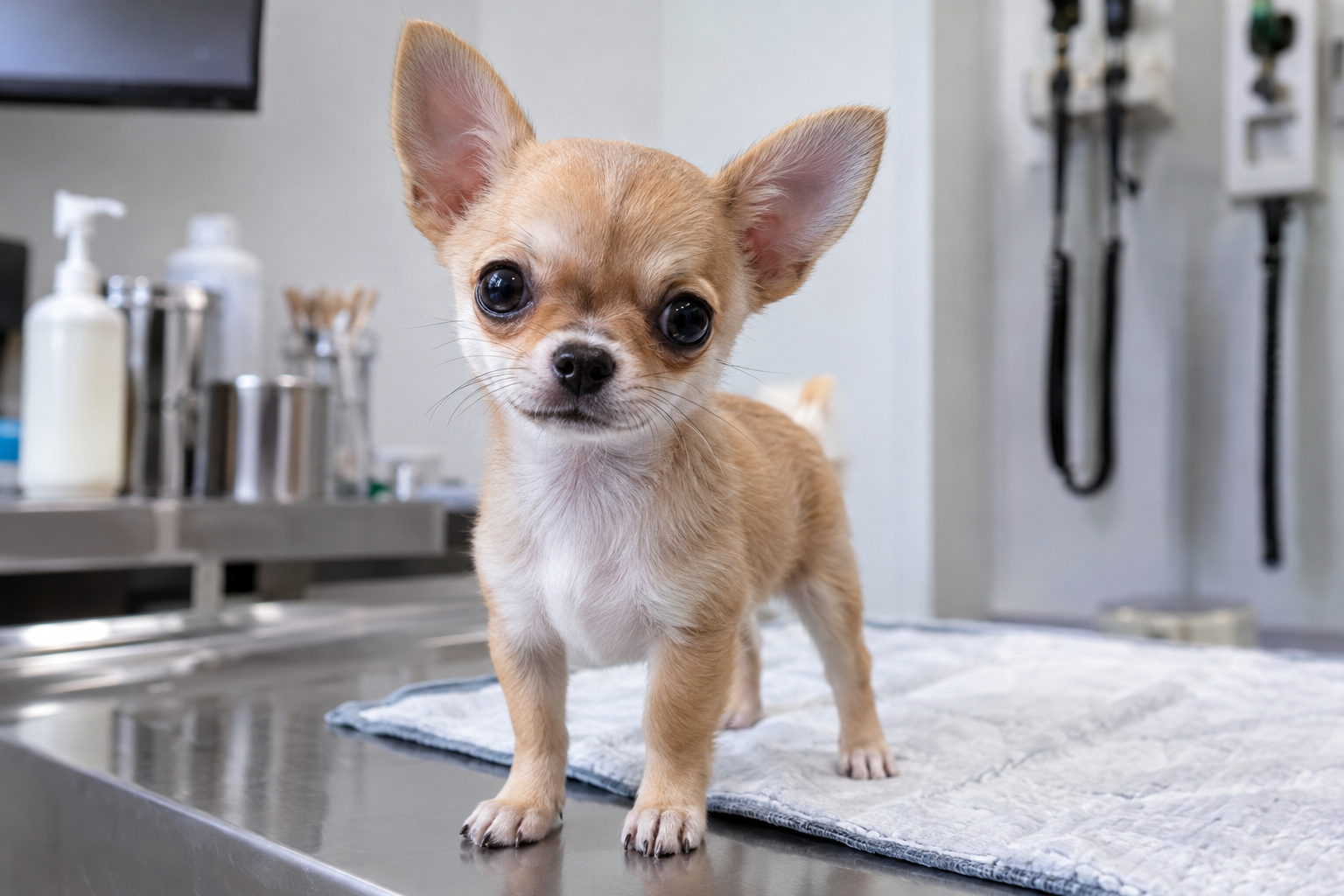
Sunday, October 25, 2026 — Today's Chihuahua wellness briefing focuses on documenting changes in mouth comfort, movement and breathing so veterinary visits start with useful observations.
Today's owner briefing
The practical angle this late October is continuity: knowing what is normal for your Chihuahua and bringing clear descriptions when something changes. Established AVMA owner guidance and AKC Chihuahua health information support attention to dental care, appropriate preventive care and breed-relevant health concerns. The sources below are background references, not newly released October research or evidence of a new wellness trend.
AKC's Chihuahua information identifies concerns including patellar luxation and heart problems. AVMA dental guidance explains why changes in eating, breath or mouth comfort deserve attention. Together, these resources offer a useful framework for a wellness conversation—but they cannot establish whether an individual Chihuahua has a condition.
The distinction matters. A brief skip during a walk is an observation, not a knee diagnosis. Bad breath is a reason to discuss oral health, not proof that a particular procedure is needed. An apparent change in stamina needs context, not an assumed explanation based on age.
What are the signs of dental problems in Chihuahuas?
Possible signs include persistent bad breath, difficulty chewing, dropping food, drooling or apparent mouth discomfort. AVMA dental guidance also lists reduced appetite and bleeding among reasons to seek veterinary assessment. A Chihuahua that still eats may nevertheless have an oral problem; a home glance cannot replace an examination.
Record what changed and when: a new reluctance to chew, food falling from the mouth or discomfort around previously tolerated handling. Do not force the mouth open to obtain a photograph. Ask your veterinarian what home dental care is appropriate and whether an examination is needed before introducing or changing a routine.
What is patellar luxation in Chihuahuas?
Patellar luxation means the kneecap moves out of its normal position. AKC lists it among Chihuahua health concerns, but an occasional skip or limp can have other causes. A veterinarian must examine the Chihuahua to determine the cause and discuss whether monitoring or other care is appropriate.
If movement changes, note whether it happened during ordinary walking, after activity or when getting up. A short video of naturally occurring movement may help explain an intermittent problem. Do not repeatedly encourage jumping, manipulate the knee or recreate an uncomfortable episode just to capture evidence.
What heart health changes should Chihuahua owners report?
Report new coughing, reduced tolerance for ordinary activity, fainting or changes in breathing to your veterinarian. These observations do not confirm heart disease, and some have causes outside the heart. Difficulty breathing or collapse warrants urgent veterinary attention rather than waiting for a routine wellness appointment.
Descriptions work best when they include context. Explain whether a cough occurred during rest or activity and whether your Chihuahua recovered normally afterward. Ask whether any home observations would be useful for your particular Chihuahua; avoid applying internet thresholds without individualized instructions.
Key takeaways
- Treat mouth, movement and breathing changes as information for veterinary assessment—not home diagnoses.
- Note when a change began, what was happening and whether it recurred.
- Use existing veterinary records to distinguish a confirmed finding from an owner's concern.
- Do not provoke discomfort to obtain a video or inspect the mouth.
- Bring vaccination records for an individualized review rather than copying an online schedule.
- Seek urgent veterinary help for difficulty breathing or collapse; documentation should never delay care.
What it means for Chihuahua owners
For this week's check-in, make a short note describing your Chihuahua's usual eating behavior, comfortable activity and rest. Add any changes separately, with dates where possible. The aim is not constant surveillance or a perfect daily log. It is a readable account that helps your veterinary team understand what prompted the appointment.
Keep previous examination findings and vaccination documents alongside those observations. AVMA vaccination guidance emphasizes that vaccination decisions depend on individual circumstances, including lifestyle and exposure. Ask your veterinarian to review the actual records and relevant risks; this briefing does not recommend a vaccination timetable. If a document is missing, identify the gap rather than guessing what was given.
For Chihuahua puppies, seller descriptions and appearance are not substitutes for veterinary records. Apple Head, Teacup, Miniature and Long Hair Chihuahua labels do not establish an individual puppy's dental, knee or heart status. When evaluating information before purchase, use a Chihuahua buyer verification checklist to organize questions and request supporting documentation rather than accepting broad reassurance.
Questions for your veterinarian
Use these discussion points to keep the appointment specific without arriving with a predetermined diagnosis or treatment request:
- Which changes in my Chihuahua's chewing or mouth comfort warrant an examination, and what dental care is appropriate now?
- Would a video of the movement change help, and what activities should we discuss while awaiting assessment?
- Do the examination findings suggest any need for further heart evaluation?
- Are there breathing or activity observations you want me to record, and when should I contact you urgently?
- Do the vaccination documents provide enough information for an individualized preventive-care plan?
- Which previous findings should remain on our ongoing wellness checklist?
Before leaving, clarify what is confirmed, what remains uncertain and what follow-up the veterinarian recommends. That distinction makes future records more useful than a collection of unexplained labels.
Sources & further reading
Explore Chihuahua puppies or contact us with questions. Educational disclaimer: This article is for general educational purposes only and is not veterinary advice, diagnosis or treatment; consult your own veterinarian about your Chihuahua's health.