Chihuahua Wellness Briefing: What to Track This October 23
Friday, October 23, 2026 · World Class Puppies Newsroom
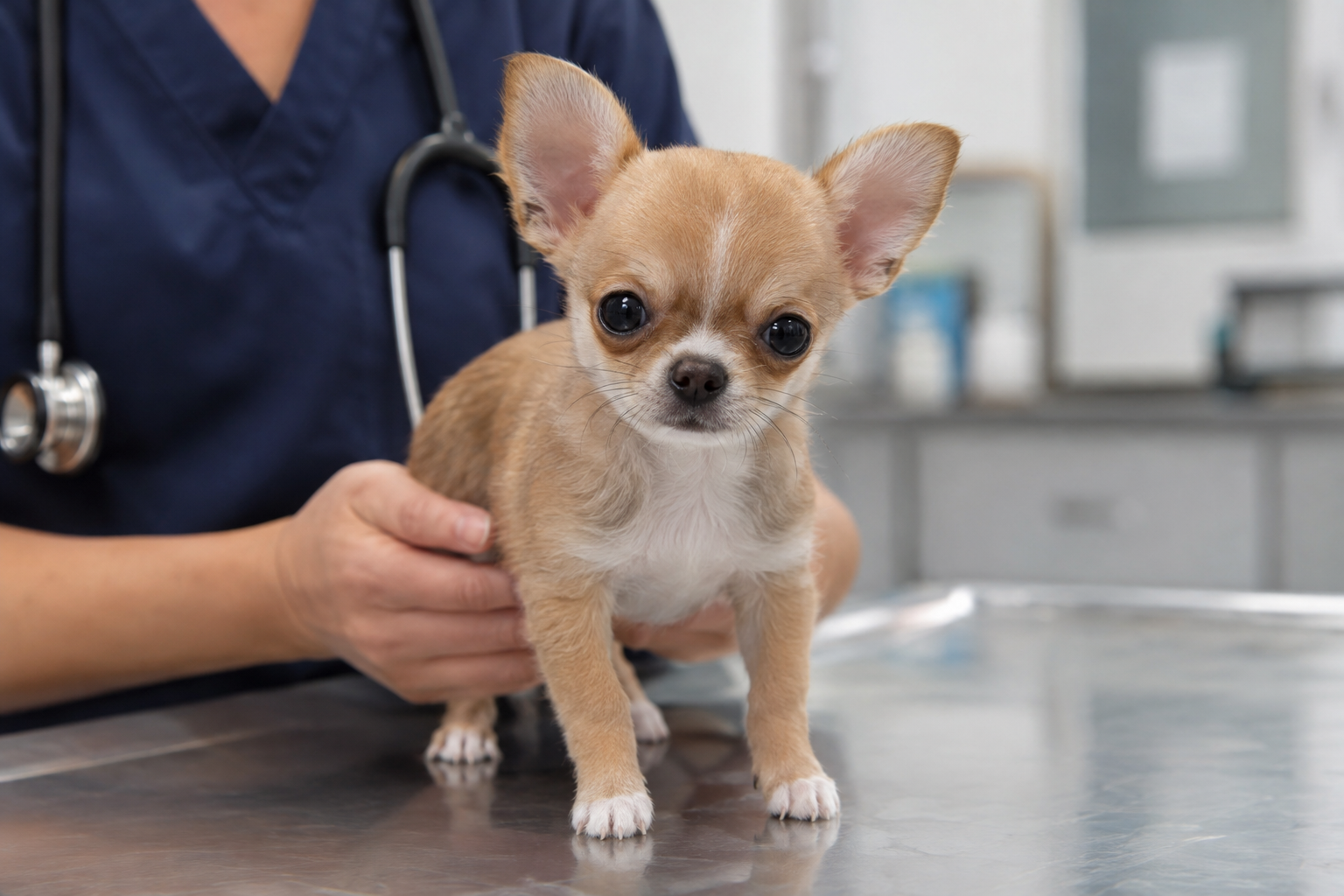
Friday, October 23, 2026 — Today’s Chihuahua wellness briefing focuses on turning changes in mouth comfort, movement and breathing into useful veterinary conversations.
Today's owner briefing
The useful October health angle is not a newly announced cure or a longer-lifespan promise. It is the gap between noticing something different and knowing what information to bring to an appointment. This briefing draws on established AVMA owner guidance and AKC Chihuahua information; it does not report a newly verified October study, advisory or search trend.
Those sources serve different purposes. AVMA guidance explains preventive-care decisions and warning signs. AKC Chihuahua information identifies breed-relevant concerns, including heart problems and patellar luxation. Neither replaces an examination, and neither can establish an individual Chihuahua’s health from appearance, energy level or a seller’s description.
For this week’s owner check-in, keep observations separate from conclusions. “Skipped several steps on Tuesday” is useful information. “Definitely has a loose kneecap” is a diagnosis that an owner cannot establish from a brief episode. The same distinction applies to breath odor, coughing and changing stamina.
What are signs of dental problems in Chihuahuas?
Bad breath, broken or loose teeth, unusual chewing, drooling, reduced appetite and bleeding around the mouth can signal a dental problem. AVMA dental guidance identifies these as reasons for veterinary assessment, rather than reasons to assume an ordinary consequence of aging. A Chihuahua that still eats may nevertheless need its mouth evaluated.
Dental care is more than an appearance issue. AVMA guidance explains that assessment may require looking below the gumline, where owners cannot inspect adequately at home. Ask what an examination can establish, what remains uncertain and how a recommended dental procedure would address those uncertainties.
What is patellar luxation in Chihuahuas?
Patellar luxation means the kneecap moves out of its normal position; AKC Chihuahua information identifies it as a breed-relevant concern. Intermittent skipping or carrying a hind leg can be a reason to ask about it, but other problems can also change a Chihuahua’s gait. A veterinary examination is needed to distinguish causes and discuss whether monitoring or other care is appropriate.
If an episode occurs naturally, a short video may help describe it. Do not repeatedly encourage jumping, manipulate the knee or recreate a painful movement to obtain footage. Record the activity immediately before the change and whether normal walking resumed.
What heart-health changes should Chihuahua owners report?
Report a new or persistent cough, reduced tolerance for usual activity, fainting or changes in breathing to your veterinarian. These signs do not establish heart disease on their own, and a heart murmur requires professional interpretation rather than a prediction based on its presence alone. Difficulty breathing or collapse calls for urgent veterinary attention, not a wait for the next routine visit.
AKC’s discussion of Chihuahua heart concerns is a prompt for informed questions, not a forecast for every puppy. Ask what the examination found and whether any additional evaluation is warranted for your Chihuahua.
Vaccination decisions belong in this same individualized review. AVMA vaccination guidance emphasizes protection against disease while recognizing that needs depend on factors such as age, health and exposure. Bring dated records and discuss missing information with your own veterinarian rather than copying an online schedule.
Key takeaways
- Record observable changes in your Chihuahua’s eating, movement and breathing without assigning a diagnosis.
- Treat dental comfort as part of wellness; normal appetite does not settle every mouth-health question.
- Use a naturally captured gait video to support a knee discussion, not to test the knee yourself.
- Keep vaccine documentation available so preventive-care decisions rest on records and individual circumstances.
- Treat breed information as context, not proof that a particular Chihuahua has—or cannot develop—a condition.
What it means for Chihuahua owners
Before an autumn appointment, prepare a short note with the change you noticed, when it began and whether it is becoming more frequent. Include current food, supplements and medications, along with previous veterinary records. Avoid a lengthy symptom diary that delays seeking help: a clear account of a concerning change is enough to begin a conversation.
For Chihuahua puppies, distinguish seller statements from clinical documentation. A written guarantee and a veterinary record answer different questions; neither should be treated as a promise of lifelong freedom from illness. Review the actual terms on the health guarantee page, and use the Chihuahua puppy scam checklist when checking documentation and representations before a purchase.
For adult and older Chihuahuas, do not dismiss a new limitation as simply age. Equally, do not assume that every skipped step or cough proves a chronic condition. Lifespan estimates cannot tell an individual owner how many healthy years remain. The practical goal is timely assessment and a care plan based on the Chihuahua in front of you.
Questions for your veterinarian
- What did today’s mouth examination reveal, and what cannot be assessed during an awake examination?
- Does the movement change I recorded warrant a focused orthopedic examination?
- Were there any heart or breathing findings that need further evaluation?
- Which vaccination records are complete, and how do my Chihuahua’s circumstances affect the remaining decisions?
- Which changes should prompt a routine call, a same-day assessment or emergency care?
Sources & further reading
Educational disclaimer: This article is for educational purposes only and is not veterinary advice, diagnosis or treatment. Consult your own veterinarian about your Chihuahua’s health and individual care needs.
Explore Chihuahua puppies or contact us with questions.