October 28 Chihuahua Health Briefing: Small Changes to Track
Wednesday, October 28, 2026 · World Class Puppies Newsroom
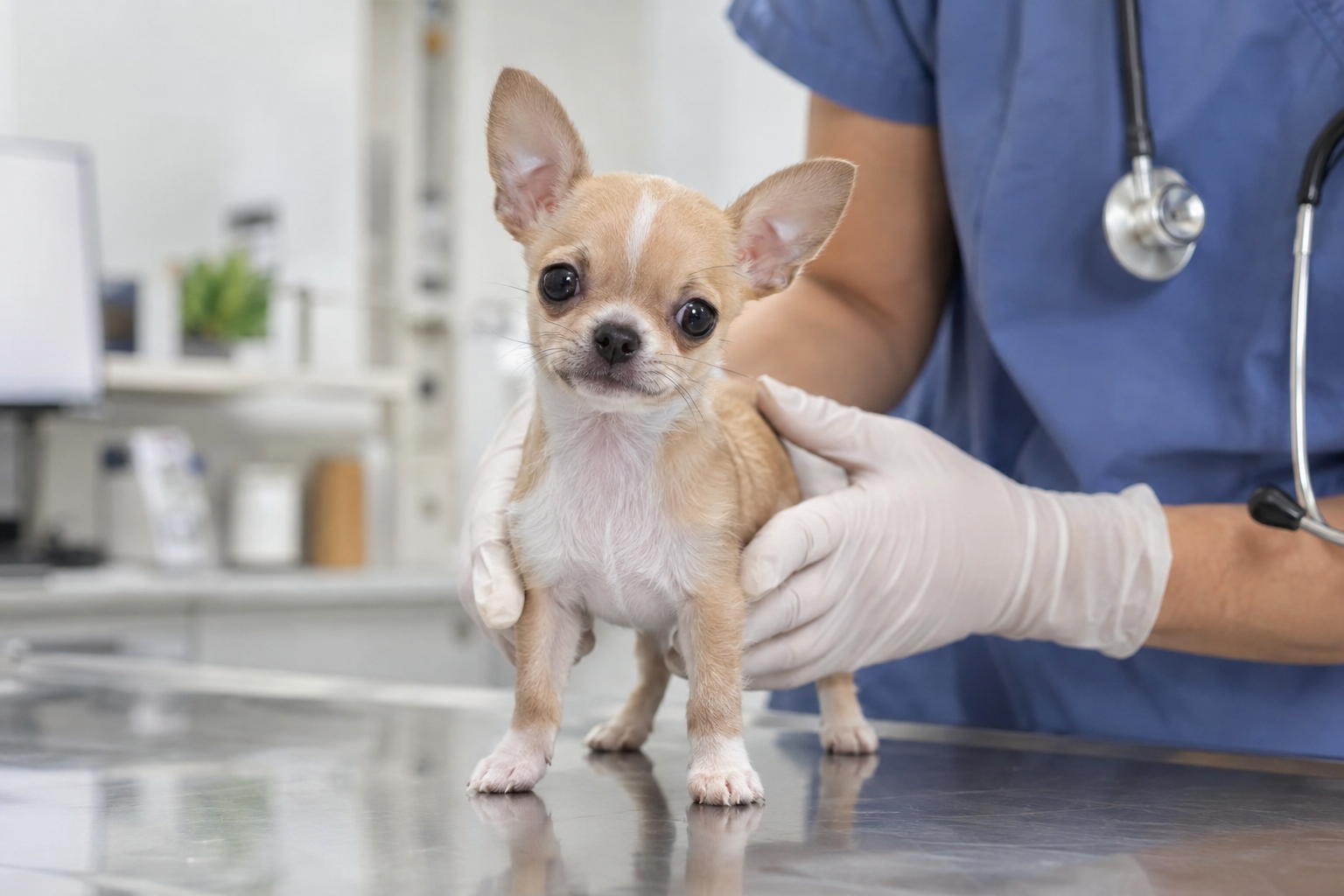
October 28, 2026 — Today’s Chihuahua wellness briefing focuses on a practical autumn priority: documenting changes in mouth comfort, movement, and breathing before interpreting them.
Today's owner briefing
The useful veterinary update this week is a records-first approach—not a newly announced cure, screening rule, or lifespan finding. The public references below provide established guidance; they do not establish a new October research release or a measured wellness trend. For Chihuahua owners, their shared value is helping turn broad health concerns into focused veterinary conversations.
AVMA dental guidance emphasizes professional assessment alongside appropriate home care. AKC Chihuahua information identifies dental care, patellar luxation, and heart concerns as relevant wellness subjects. AVMA vaccination guidance explains why protection should be discussed in relation to an individual animal’s needs and exposure. None of these resources can determine an individual Chihuahua’s condition from a description or photograph.
This late-October check-in therefore centers on what owners can actually bring to an appointment: dated observations, previous examination findings, vaccination documentation, and questions about changes from their Chihuahua’s usual behavior. A tidy record is more informative than a reassuring label such as “healthy,” but it is still not a substitute for an examination.
What are common health problems in Chihuahuas?
Dental disease, patellar luxation, and heart problems are important subjects in Chihuahua health education, including AKC breed information. Being associated with a condition does not mean every Chihuahua develops it, and an owner cannot diagnose it from appearance alone. Veterinary history and examination help establish which concerns deserve attention for a particular Chihuahua.
For movement, describe what happened rather than assigning a diagnosis. An occasional skipping step, reluctance to move, or a change in how a Chihuahua uses a leg is worth reporting; it does not independently prove patellar luxation. A brief video of naturally occurring movement may help explain the observation, but do not repeatedly provoke an uncomfortable action to capture it.
How do I know if my Chihuahua has dental problems?
Persistent bad breath, difficulty chewing, drooling, or visible changes around teeth and gums are reasons to request veterinary assessment, consistent with AVMA dental guidance. A Chihuahua that continues eating may still need a mouth examination. Looking at visible teeth cannot establish the condition of tissues below the gumline.
Keep dental notes concrete: whether chewing changed, whether food is being dropped, and when an odor or visible change first appeared. Ask about a suitable home-care approach rather than assuming that a chew, spray, or cosmetic cleaning addresses every dental concern. Do not force a painful mouth open for a photograph.
What are signs of heart problems in Chihuahuas?
Coughing, reduced willingness to exercise, fainting, or changes in breathing can warrant veterinary assessment, but these signs are not specific to heart disease. A murmur is a clinical finding to discuss with a veterinarian, not something owners can confirm at home. Breathing distress or collapse warrants urgent veterinary attention rather than waiting to build a symptom log.
For nonurgent observations, distinguish an activity change from a diagnosis: “stopped during a usual walk” is more useful than “heart getting worse” when no assessment has established the cause. Record the setting and whether the behavior is new, without exercising your Chihuahua to test a suspected problem.
Key takeaways
- Track changes against your Chihuahua’s usual behavior, not against an online description of an ideal puppy.
- Bring actual veterinary documents; verbal reassurance cannot replace dated findings.
- Treat dental discomfort, altered movement, and breathing changes as separate observations until assessed.
- Review vaccination records and exposure questions with your veterinarian instead of copying an online schedule.
- Do not let note-taking delay help for collapse, breathing distress, or other urgent concerns.
What it means for Chihuahua owners
Create one short wellness summary this month. Include the concern, the date first noticed, whether it is recurring, and any existing veterinary instructions. Attach relevant records rather than rewriting them from memory. If several people care for your Chihuahua, agree on plain descriptions so that “quiet,” “tired,” and “uncomfortable” do not become interchangeable conclusions.
Vaccination review belongs in that same folder, but it requires a different conversation from diagnosing symptoms. AVMA guidance supports discussing protection in light of individual circumstances. Bring available vaccination documentation and describe upcoming changes in contact with unfamiliar animals or shared environments; decide any vaccination plan with your own veterinarian. Missing paperwork should prompt clarification, not an assumed schedule.
For a Chihuahua puppy joining a household, distinguish general breed education from individual documentation. Ask what each record actually establishes and what remains to be discussed at an examination. Apple Head, Teacup, Miniature, or Long Hair descriptions should never replace that review. Where purchase-related terms matter, consult the written health guarantee rather than inferring coverage from a wellness article.
Questions for your veterinarian
Use the appointment to clarify priorities rather than request every possible test:
- Which of my Chihuahua’s recorded changes should be assessed first?
- What can an awake mouth examination establish, and what might require further assessment?
- Does this movement video help explain the concern, and what should I avoid repeating?
- Do previous heart findings change which observations you want me to report?
- Are the vaccination records complete enough to review protection and exposure?
- Which signs should trigger an urgent call rather than routine follow-up?
Sources & further reading
Educational disclaimer: This article is for general educational purposes only and is not veterinary advice, diagnosis, or treatment. Consult your own veterinarian about your Chihuahua’s individual health needs.
Explore Chihuahua puppies or contact us with questions.