Chihuahua Wellness: Changes to Record This October 15 Briefing
Friday, October 16, 2026 · World Class Puppies Newsroom
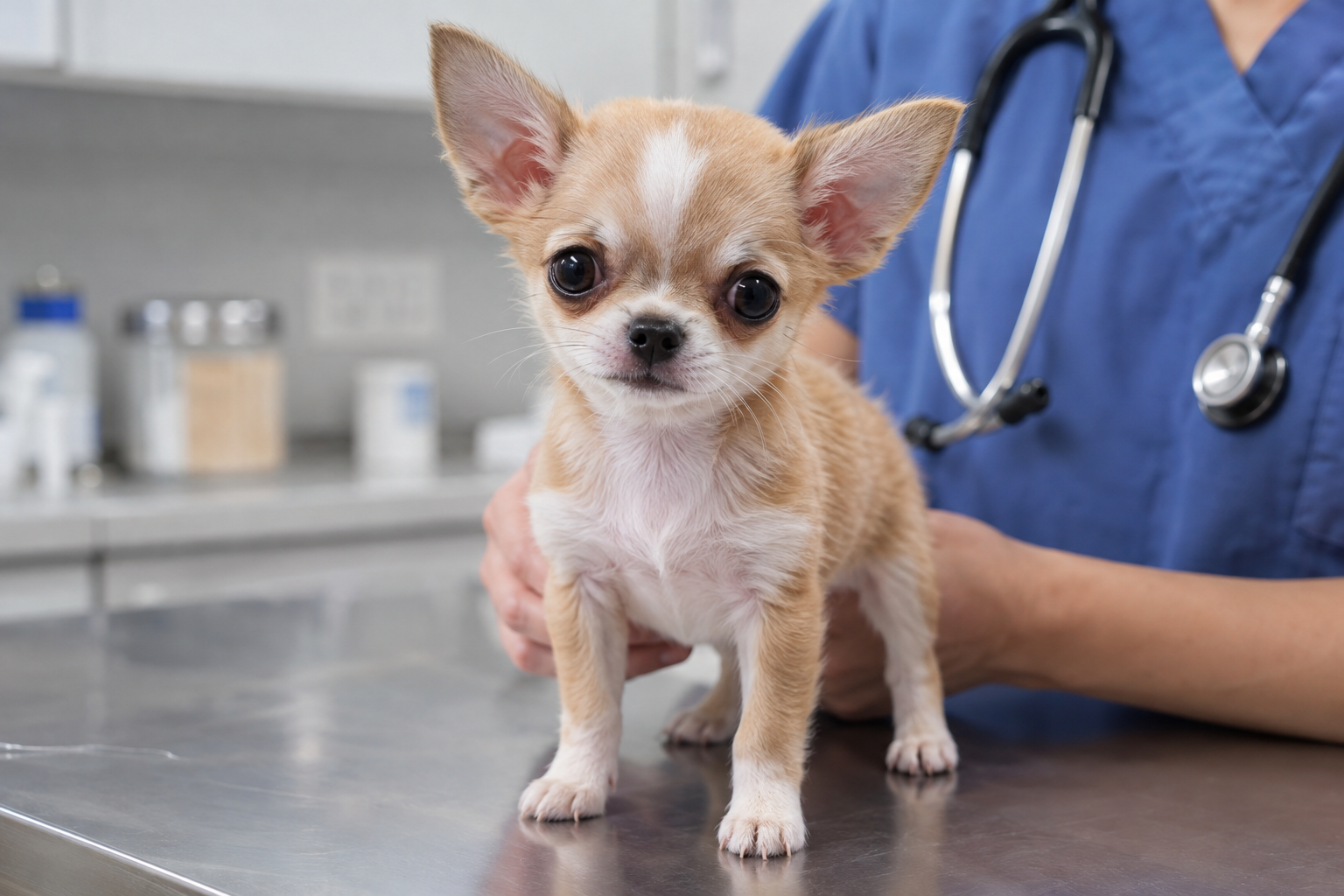
Thursday, October 15, 2026 — This week's Chihuahua wellness briefing focuses on recording changes in chewing, movement and stamina so veterinary conversations start with observations, not assumptions.
Today's owner briefing
For Chihuahua owners planning an October wellness visit, the useful update is a practical one: organize what has changed before deciding what it means. Dental discomfort, an intermittent skipping step and reduced enthusiasm for activity deserve different questions, even when they appear together. A clear timeline helps your veterinarian decide what needs examination.
This is a review of established public guidance, not a report of a newly issued October advisory. The AVMA's dental and vaccination resources and the AKC's Chihuahua information offer a foundation for discussing preventive care. They do not establish a new wellness trend, predict an individual Chihuahua's lifespan or replace a clinical assessment.
Across those resources, the practical emphasis is prevention and individual review. AVMA dental guidance describes signs owners can notice while explaining why a professional assessment matters. Its vaccination guidance supports decisions based on individual circumstances. AKC Chihuahua information identifies breed-relevant health considerations, including teeth, kneecaps and the heart; that context is a discussion starter, not evidence that your Chihuahua has a condition.
What are the signs of dental problems in Chihuahuas?
Bad breath, difficulty chewing, dropped food, bleeding around the mouth or a change in appetite can warrant a veterinary dental assessment. AVMA dental guidance also cautions that dental problems may not be obvious to owners. Continuing to eat does not establish that a Chihuahua's mouth is comfortable or healthy.
For your appointment notes, distinguish an observation from an interpretation: “dropped food during two meals” is more useful than “needs a tooth removed.” Record when the change began and whether chewing habits changed. Avoid forcing the mouth open or probing an area that appears painful; ask the clinic how to document the concern safely.
What is patellar luxation in Chihuahuas?
Patellar luxation means the kneecap moves out of its normal position. An intermittent skipped step or briefly carried hind leg can be a reason to request an examination, but movement alone cannot confirm the diagnosis. The significance and next steps depend on the veterinarian's findings and the Chihuahua's comfort and function.
If an episode occurs naturally, a short video may help communicate what you saw. Note the surface, activity and apparent recovery without repeatedly encouraging the movement to reproduce it. Persistent limping, pain or refusal to bear weight calls for prompt veterinary advice rather than waiting to collect more footage.
What heart symptoms should Chihuahua owners discuss with a veterinarian?
New coughing, reduced exercise tolerance, fainting or changes in breathing deserve veterinary attention, although none identifies a heart condition by itself. A heart murmur is an examination finding, not something an owner can reliably identify at home. Difficulty breathing or collapse warrants urgent veterinary care rather than a routine wellness discussion.
Keep descriptions concrete: what activity preceded the episode, how long it lasted and how the Chihuahua behaved afterward. Do not deliberately increase exercise to test stamina. If a concern has already been assessed, bring previous findings so the veterinarian can compare the record rather than rely on memory.
Key takeaways
- Record changes in chewing, gait and stamina separately; they do not automatically share a cause.
- Use dates, brief descriptions and naturally captured video to support an examination—not to make a diagnosis.
- Include dental concerns even when your Chihuahua still eats normally.
- Review vaccination documentation with your veterinarian instead of adopting an online schedule.
- Breathing difficulty, collapse or significant pain should not wait for a planned wellness appointment.
What it means for Chihuahua owners
Build a compact appointment folder this month: previous examination notes, vaccination documentation, relevant test results and a current list of medications and supplements. Add your three most important observations at the top. This keeps the visit focused without treating a long checklist as proof that every possible test is needed.
Vaccination review belongs in that conversation, but it is not a universal calendar. AVMA guidance explains that vaccination decisions involve the individual animal's needs and exposure risks. Tell your veterinarian about upcoming boarding, travel or changes in contact with other Chihuahuas, and ask how those circumstances affect your Chihuahua's preventive-care plan.
Keep longevity claims in perspective, too. General lifespan descriptions cannot predict an individual Chihuahua's future, and this briefing does not identify a new lifespan study. Age, health history and current examination findings are more useful for planning today's discussion than a promised number of years or a social-media wellness claim.
Questions for your veterinarian
- Which observations should prompt a same-day call rather than wait for our next visit?
- What can you assess about dental health while my Chihuahua is awake, and what remains uncertain?
- Would a naturally captured walking video help evaluate the movement change I noticed?
- If you hear a murmur, what would determine whether further evaluation is appropriate?
- Do the vaccination records provide enough information, and have exposure risks changed?
- Which previous findings should we compare at future appointments?
Sources & further reading
Educational disclaimer: This article is for general educational purposes only and is not veterinary advice, diagnosis or treatment. Consult your own veterinarian about your Chihuahua's individual health needs.
Explore Chihuahua puppies or contact World Class Puppies.